
Last updated November 15, 2026
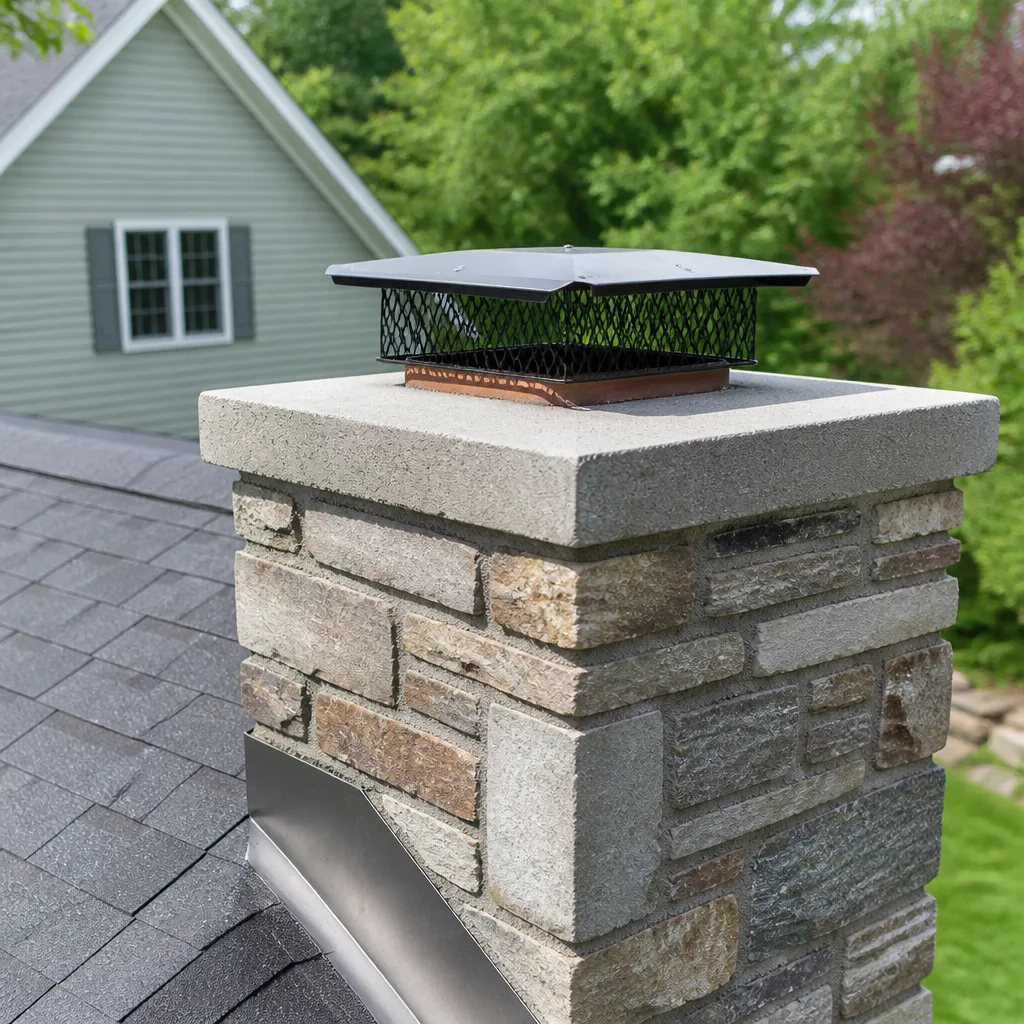 Sweep & inspection
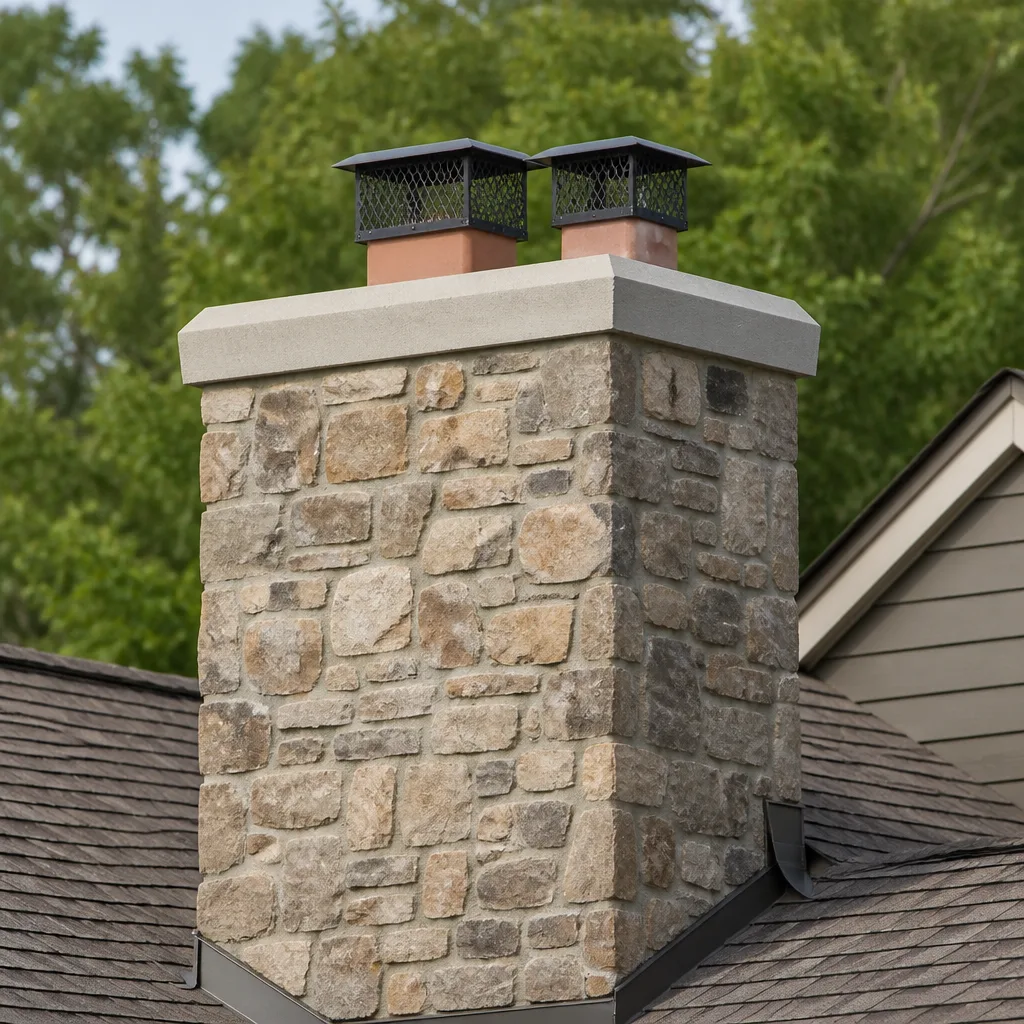 Caps & crowns
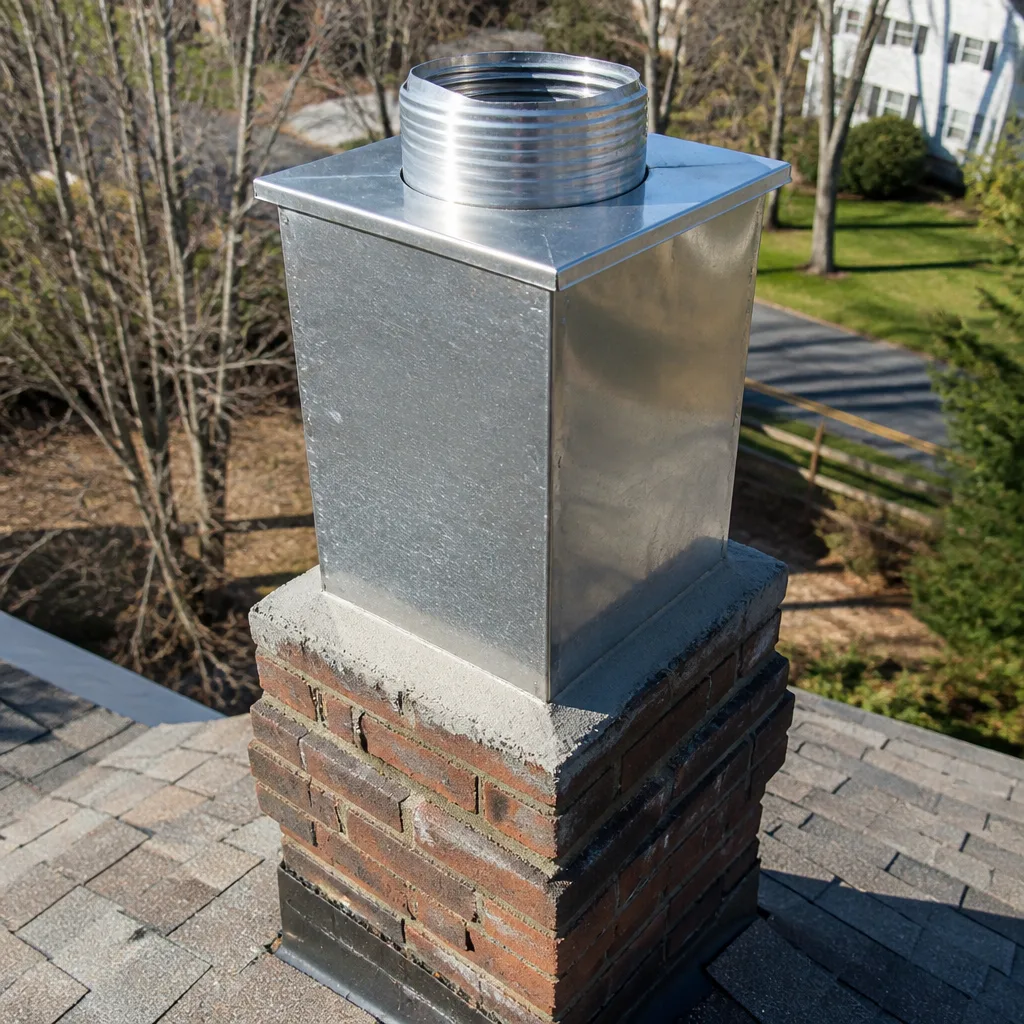 Flue relining
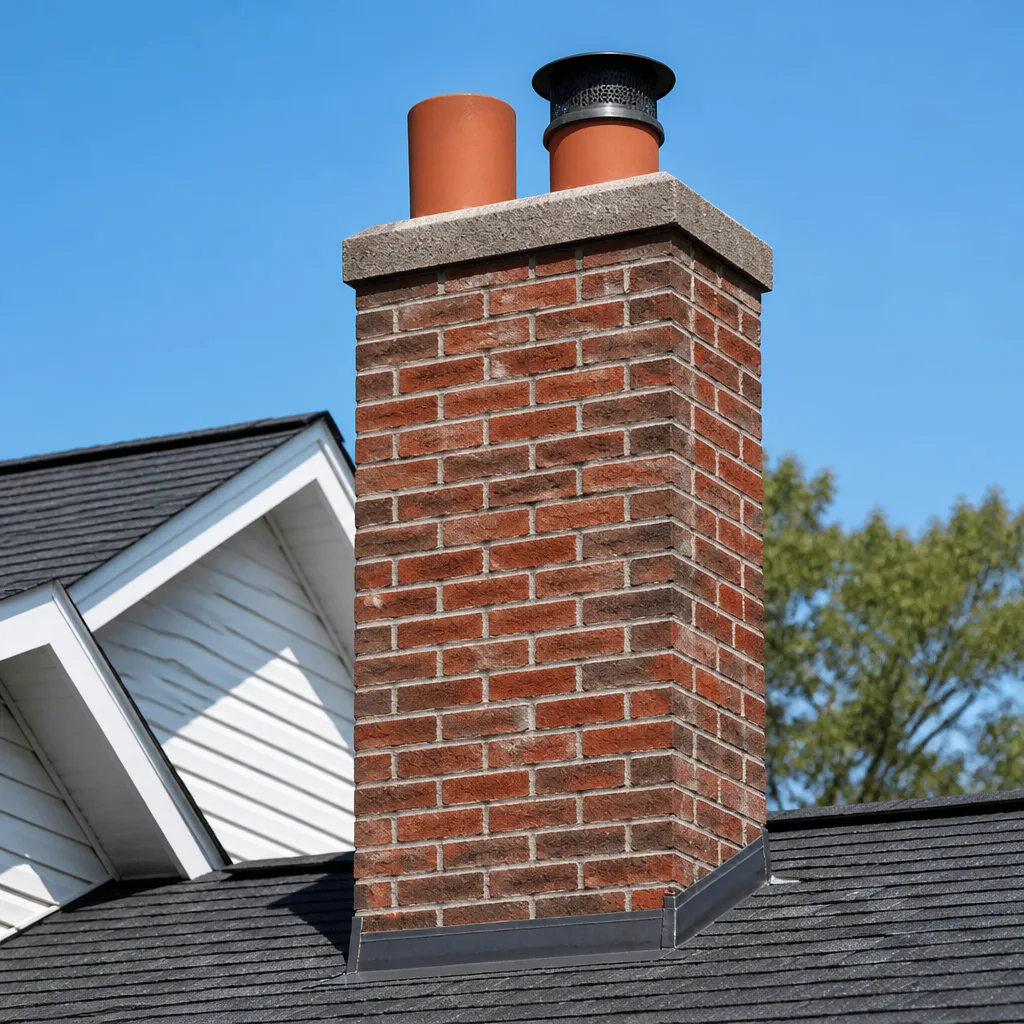 Masonry repair
 Gas fireplace service
Level 1 sweep and inspection to the NFPA 211 annual standard - flue, crown, cap, and flashing checked and photographed
Chimney sweep logs do not sweep chimneys. They loosen some creosote - which then falls where a brush and vacuum still have to collect it.
Chimney Cleaning Emergency Preparedness Guide for Hollywood Homes
Most chimney emergency advice is written for places with real winters, where the emergency is a chimney fire in January. That’s not the emergency we prepare for in Hollywood. After a major storm in Broward County, the two most common chimney problems aren’t fire-related at all: they’re blocked flues from wind-driven debris or a displaced cap, and cracked crowns that let water pour into living spaces. Both are dangerous, and neither shows up in standard chimney emergency literature. This guide covers what actually happens to chimneys here, how to assess yours safely from the ground after a storm, and the exact steps to take before you light a fire again.
Quick Answer
Chimney emergency preparedness in Hollywood means preparing for storm damage, not just fire: secure your cap, close your damper, and know how to inspect your chimney from the ground before and after hurricane season. If your flue is blocked or your crown is cracked after a storm, don’t burn until a professional inspects it. Carbon monoxide from a blocked flue is the quiet hazard, and it can build up in a closed house within minutes of lighting a fire.
Styles & brands we work with
- Sweep & inspection
- Caps & crowns
- Flue relining
- Masonry repair
- Gas fireplace service
Table of Contents
- Why Storm Damage, Not Fire, Is the Real Chimney Emergency in Hollywood
- Pre-Storm Preparation: What to Do Before Hurricane Season
- How to Safely Assess Your Chimney from Outside After a Storm
- The Step-by-Step Sequence Before You Use Your Fireplace Again
- Carbon Monoxide Risk in a Blocked or Damaged Chimney
- How to Document Chimney Storm Damage for Insurance
- When to Schedule Your Chimney Sweep Around Storm Season
- Repair or Replace? What Storm Damage Usually Requires
Why Storm Damage, Not Fire, Is the Real Chimney Emergency in Hollywood
Hollywood sits in a subtropical climate with a distinct hurricane season, and that shapes chimney risk in ways that cold-climate guides miss entirely. The chimney itself gets used far less here than in northern states, so the creosote layer builds slowly. That’s good news for fire risk. But the exterior of the chimney takes a beating from wind, rain, and flying debris that a snow-covered roof never sees. The result is a different emergency profile: blocked flues, displaced caps, cracked crowns, and water intrusion.
We’ve seen how this plays out across Hollywood neighborhoods. In older areas near downtown, where homes have masonry chimneys that have been through decades of storms, the crown is often the weak point. A cracked crown lets water wick into the masonry, and once that happens, the damage spreads inward. In newer construction, factory-built metal chimneys are more common, and those tend to lose their caps or have their venting disrupted by wind.
The core misconception is that a chimney emergency is always a fire. In our experience, the majority of post-storm chimney calls we get in Broward County are about water, debris, or venting, not flames. That changes what “emergency preparedness” should look like. It means having a plan for the storm, not just a fire extinguisher by the hearth.
The good news: almost all of this is preventable. A secure cap, a closed damper, and a quick post-storm inspection from the ground catch most problems before they become emergencies. The sections below walk through each one.
Pre-Storm Preparation: What to Do Before Hurricane Season
The most effective emergency response is the one you never need. Pre-storm preparation for your chimney takes maybe an hour, costs little, and dramatically reduces the chance that a storm turns your chimney into an indoor problem. Here’s what to do before a named storm approaches.
- Secure the cap. A chimney cap is your first line of defense against moisture damage and animal intrusion, and a loose cap becomes a projectile in high wind. Check that it’s firmly attached and that no fasteners are rusted or missing. If you don’t have a cap, this is the single most important thing to address. We work with Gelco and Famco caps, the two leading brands in moisture and animal exclusion, and a properly installed cap also keeps out the wind-driven rain that starts most water intrusion.
- Close the damper. An open damper is an open door for horizontal rain and wind-blown debris. Close it fully before the storm arrives. If your damper doesn’t close all the way, note that for your next inspection; a damper that won’t seal is a problem worth fixing before storm season.
- Clear the roof and gutters. Loose branches and debris near the chimney will find their way onto the roof or into the flue in high wind. Trim back overhanging limbs and clear gutters so water has somewhere to go besides down the chimney.
- Check the flashing. The metal flashing where the chimney meets the roof is a common leak point. If it looks lifted, rusted, or poorly sealed, have it addressed before the storm. You don’t need to get on the roof yourself to spot it from the ground with binoculars.
- Cover the firebox opening. If you’re evacuating or expect significant water intrusion, tape a plastic sheet over the firebox opening as a temporary barrier. This is a backup, not a substitute for a sound cap and closed damper.
- Photograph the chimney. Take clear photos of the chimney from the ground before the storm. This gives you a baseline for comparison and helps with any insurance claim later.
If you’re not comfortable checking the cap and flashing yourself, that’s a reasonable call. A quick pre-season inspection from a professional catches these issues, and it’s far cheaper than post-storm repairs. We handle chimney repair across the area and can look at the cap, crown, and flashing before the season starts.
How to Safely Assess Your Chimney from Outside After a Storm
After a tropical storm or hurricane passes, the instinct is to get up on the roof and check things out. Don’t. Wet roofs, damaged shingles, and downed debris make roof access genuinely dangerous, and most of what you need to see is visible from the ground. Here’s how to assess your chimney safely without entering the attic or climbing onto the roof.
First, walk the perimeter of your home and look up at the chimney from several angles. Use binoculars if you have them. You’re checking for a short list of visible problems:
- The cap. Is it still there? Is it sitting straight, or has it been knocked askew? A missing or tilted cap means the flue is open to rain and debris.
- The crown. That’s the concrete or masonry top of the chimney. Look for visible cracks, crumbling edges, or pieces that look shifted. A cracked crown is the most common cause of water intrusion after a storm.
- The flashing. Look at the base of the chimney where it meets the roof. Is the metal lifted, bent, or separated? Is there staining on the roof deck nearby that suggests a leak?
- Masonry condition. Look for loose bricks, missing mortar joints, or spalling (flaking) on the chimney sides. Wind-driven rain and debris can loosen mortar over time.
- Debris on the roof. Branches, shingles, or other material near the chimney can work their way into the flue or damage the cap.
While you’re outside, check inside too, but only at ground level. Look at the ceiling and walls near the chimney for water stains, which indicate a leak that’s already penetrating. Open the firebox door and look up at the damper; if you see daylight or debris resting on top of the damper, the flue is likely blocked. Do not reach up into the flue or try to clear debris yourself, and do not enter the attic to inspect the chimney chase.
If anything looks off, that’s your cue to stop and call a professional. We can assess the chimney properly, and if there’s damage, we document it in writing. Our chimney sweep service includes a full inspection that catches these post-storm issues.
The Step-by-Step Sequence Before You Use Your Fireplace Again
Most people wait until the first cool evening to think about their fireplace, which is exactly the wrong timing. After any significant storm event, run through this sequence before you burn a single log. It takes a few minutes and covers the key risk points.
- Wait for the weather to settle. Don’t light a fire while the chimney is still wet or while rain is ongoing. Water in the flue and a fire in the firebox don’t mix well, and a wet flue is harder to assess.
- Do the exterior walk-around. Follow the assessment steps in the previous section. Check the cap, crown, flashing, and masonry from the ground.
- Look inside for water. Check the ceiling, walls, and firebox for moisture. If you see water stains that weren’t there before, the chimney has leaked and needs professional attention.
- Check the damper operation. Open and close it. It should move freely. If it’s stuck or the seal is poor, note it.
- Look up the flue for daylight. With the damper open, look up from the firebox. You should see daylight at the top. If you don’t, the flue may be blocked by debris, a bird nest, or a collapsed liner, and you must not burn until it’s cleared.
- Sniff for the smell of smoke or soot indoors. A strong smoke smell in the room without a fire burning can indicate a draft problem or a blocked flue.
- Schedule a professional sweep and inspection. This is the step most homeowners skip, and it’s the one that matters most. A sweep clears any debris or creosote, and an inspection documents the flue’s condition in writing. We recommend a sweep before the first burn of the season regardless of storm activity.
If any step raises a flag, stop. A blocked or damaged flue isn’t a wait-and-see situation. Call a professional before you light a fire. For a full picture of what’s involved, see our main Chimney Sweep Hollywood services, and remember: sweep, inspect, and repair are all handled by the same company.
Carbon Monoxide Risk in a Blocked or Damaged Chimney
This is the quiet hazard, and it’s the one that doesn’t announce itself. Carbon monoxide is colorless, odorless, and tasteless, and a blocked or damaged chimney is one of the ways it can back up into a home. When the flue is obstructed by storm debris, a fallen liner, or a displaced cap, combustion gases that should vent upward instead have nowhere to go but back into the living space. In a tightly closed house during or after a storm, that can happen fast.
The risk profile here is different from a chimney fire. A chimney fire makes noise and smoke. Carbon monoxide just builds up. That’s why the post-storm assessment matters so much: it’s your chance to catch a blocked flue before you light a fire and turn the problem into a health hazard.
What carbon monoxide exposure looks like: headache, dizziness, nausea, fatigue, confusion, and shortness of breath. These symptoms mimic the flu or simple exhaustion, which is why they’re so often missed. If you or anyone in your household feels unwell after burning a fire, and especially if the symptoms improve when you leave the house, treat it as a carbon monoxide emergency.
How to respond before a technician arrives:
- Get everyone outside. Leave the house immediately and take pets with you. Don’t stop to investigate or open windows as a “test”; just get out.
- Call 911. Carbon monoxide is a fire department matter first. Don’t wait to see if symptoms pass.
- Don’t relight the fire. Even after you’ve aired the house out, don’t burn again until a professional has inspected and cleared the flue.
- Have the chimney inspected before reoccupying. The fire department will clear the scene, but the chimney needs a professional inspection to find and fix the cause.
If you have a carbon monoxide alarm, test it before burning season. If you don’t have one, get one. Our technicians have up to 8 years of experience and can assess whether your flue is venting properly after a storm.
How to Document Chimney Storm Damage for Insurance
Insurance claims for chimney storm damage succeed or fail on documentation. The adjuster needs to see that the damage happened during the covered event, not from gradual wear. That’s why a written inspection report matters so much after a storm: it gives you something to show your insurer, your buyer, or yourself.
Here’s how to document chimney damage properly:
- Photograph before and after. If you took pre-storm photos (as recommended above), you already have your baseline. Take post-storm photos from the same angles. Include the wider roofline and the chimney at close range.
- Keep dated notes. Write down when the storm hit, what you observed, and when you first noticed the problem. Specific dates help establish causation.
- Don’t clean up before you document. If debris landed on the roof or pieces of the crown cracked off, photograph it in place before you clear it. Once it’s in a trash bag, it’s harder to prove.
- Get a written inspection. A professional inspection documents the flue’s condition in writing, including what’s damaged, how, and what’s needed to fix it. This is exactly the documentation an insurer wants.
- Keep receipts for any temporary mitigations. If you taped up a firebox or paid for a tarp, keep the receipts. Those costs are often claimable.
We document every inspection in writing, with photos where appropriate, so you have a record to hand to your insurer. If you’re preparing for insurance renewal rather than a claim, an inspection report is also useful there: it shows the system is maintained and sound. For residents across Hollywood, this kind of documented evidence is what keeps a claim from dragging out.
When to Schedule Your Chimney Sweep Around Storm Season
Timing your sweep around Hollywood’s storm season does two things: it reduces the chance you enter storm season with a vulnerable chimney, and it catches post-storm damage before you burn. The best rhythm is two sweeps per year: one in the spring before hurricane season, and one in the fall before the first cool evenings when you’ll actually use the fireplace.
Here’s a typical annual calendar for a Hollywood homeowner:
- Late spring (before hurricane season): A sweep and inspection that confirms the flue is clear, the cap is secure, and the crown and flashing are sound. Fix anything that could fail under wind stress before the storm season starts.
- After any named storm that affects your area: A post-storm assessment from the ground, and a professional inspection if anything looks off.
- Fall (before burning season): A sweep to clear any creosote or debris that accumulated over the summer, plus an inspection to confirm the system is ready for regular use.
- Anytime you notice a problem: Smoke backing up, a smoky smell without a fire, visible damage, or a water stain near the chimney is a reason to call immediately, not to wait for the next scheduled sweep.
If you burn wood regularly, you may need more frequent sweeps than a once-a-year schedule provides. A professional will tell you honestly what your particular system requires based on how and how often you burn. You can read more about how often to sweep in our chimney sweep guide. Our technicians have up to 8 years of experience and can set the right schedule for your home.
Repair or Replace? What Storm Damage Usually Requires
One of the most common post-storm questions is whether the chimney needs a full liner replacement or a repair. The answer depends on what’s actually damaged. Here’s how the usual decisions break down after storm damage.
Cracked crown: This is usually a repair, not a replacement. The crown can be resurfaced or rebuilt depending on its condition. Catching it early keeps water out of the masonry and prevents the damage from spreading.
Displaced or missing cap: This is a simple fix: install a properly fitted cap. We work with Gelco and Famco caps, and a good cap closes the moisture and animal intrusion gap that most sweep-only companies leave open.
Cracked or flaking flue tiles: This is where the repair-or-replace question gets real. In many cases, a damaged flue can be restored with HeatShield ceramic resurfacing, which extends the flue’s life and costs less than a full reline. We’ll tell you honestly which one you actually need. HeatShield resurfacing can save you the cost of a full reline, but it isn’t the right answer for every flue. When structural damage is too extensive, we turn to the DuraFlex flexible liner system, which can navigate the offset and complex flue configurations that rigid systems can’t handle. We’re authorized to source and install DuraFlex, and we also draw on Olympia Chimney and Copperfield product lines, the preferred suppliers of professional chimney trades.
Water intrusion into masonry: This usually requires fixing the source (crown, flashing, or cap) plus letting the masonry dry. The sooner it’s addressed, the less structural repair is needed.
The theme across all of these: most storm damage is repairable, and most of it is cheaper to fix early than late. A written inspection tells you exactly what you’re dealing with before you commit to any work. If you’re ready to know, we offer free estimates.
Common Mistakes to Avoid
- Getting on the roof after a storm. Wet roofs and loose debris make this the single most dangerous thing a homeowner can do after a storm. Assess from the ground and call a professional if something looks wrong.
- Lighting a fire without checking the flue. A blocked flue after a storm is a carbon monoxide risk within minutes of burning. Look up the chimney for daylight and confirm the damper works before you light anything.
- Assuming a visual check is enough. A flue can be structurally compromised in ways you can’t see from the ground. An inspection with a camera catches what a flashlight doesn’t.
- Skipping the cap. In Hollywood’s storm climate, an uncapped chimney is an open door for wind-driven rain and debris. A cap is not optional; it’s the first line of defense against moisture damage and animal intrusion.
- Cleaning up before documenting. If a storm damaged your chimney, photograph the damage in place before you clear debris. Documentation is what makes an insurance claim work.
- Waiting until the first cold night. Scheduling a sweep during the first cool week of fall is a recipe for a long wait. Book before burning season starts.
- Ignoring a smoky smell indoors. If you smell smoke in the room when there’s no fire, the flue is likely blocked or drafting poorly. That’s a call-a-professional signal, not a wait-and-see.
See the difference
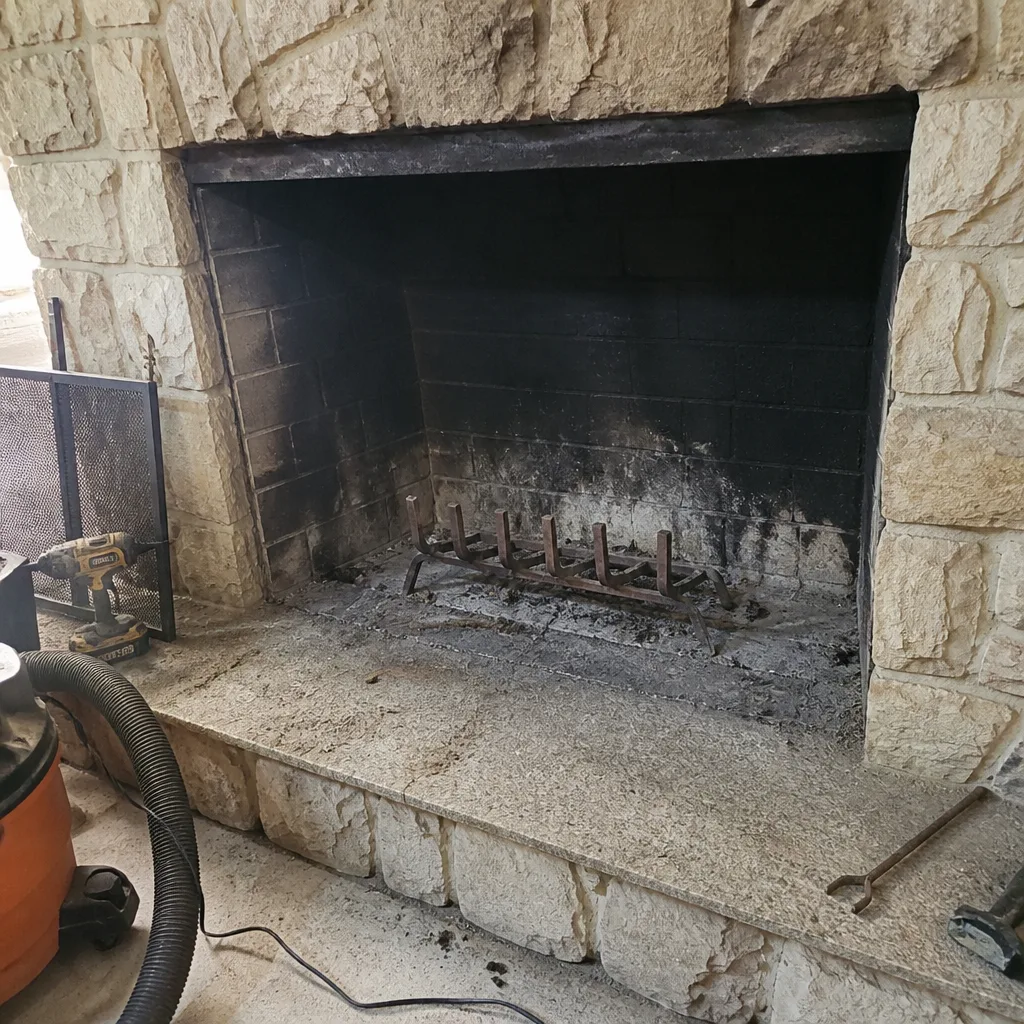 Before
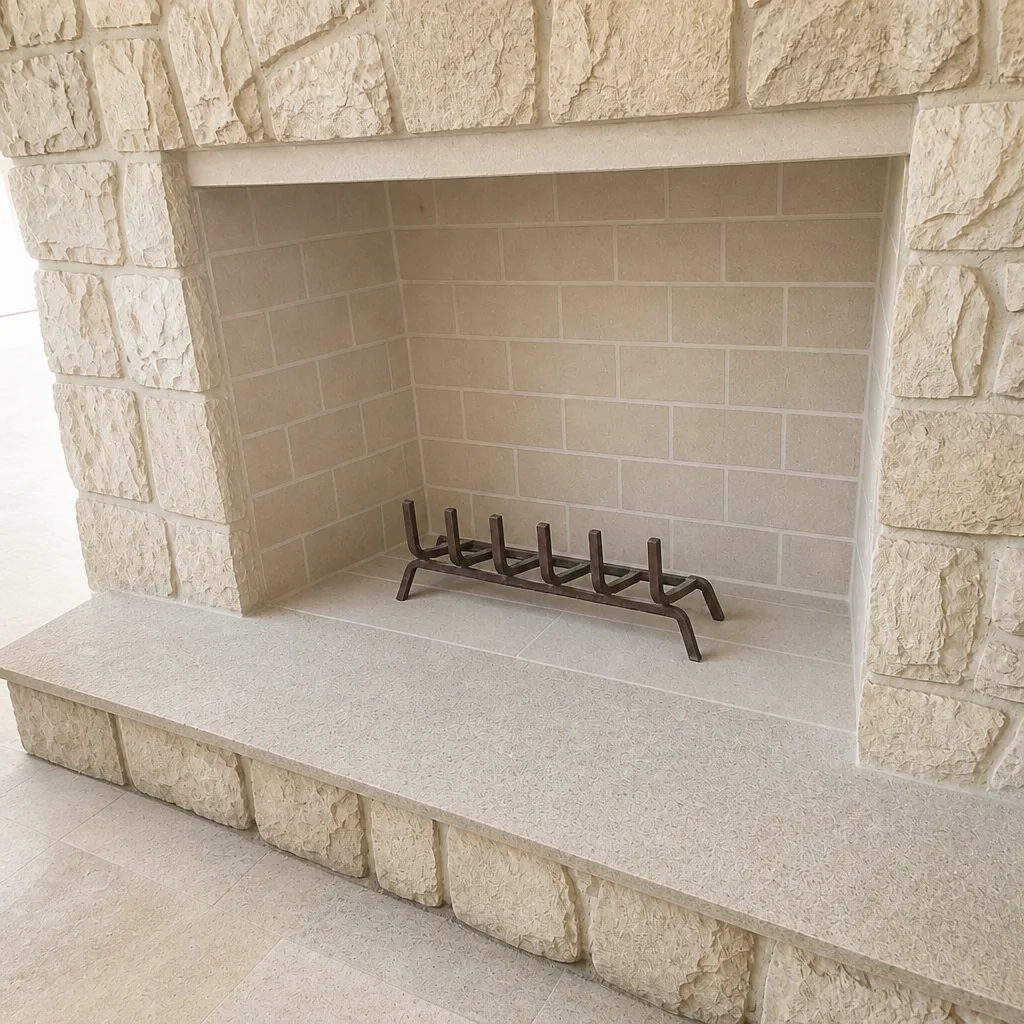 After
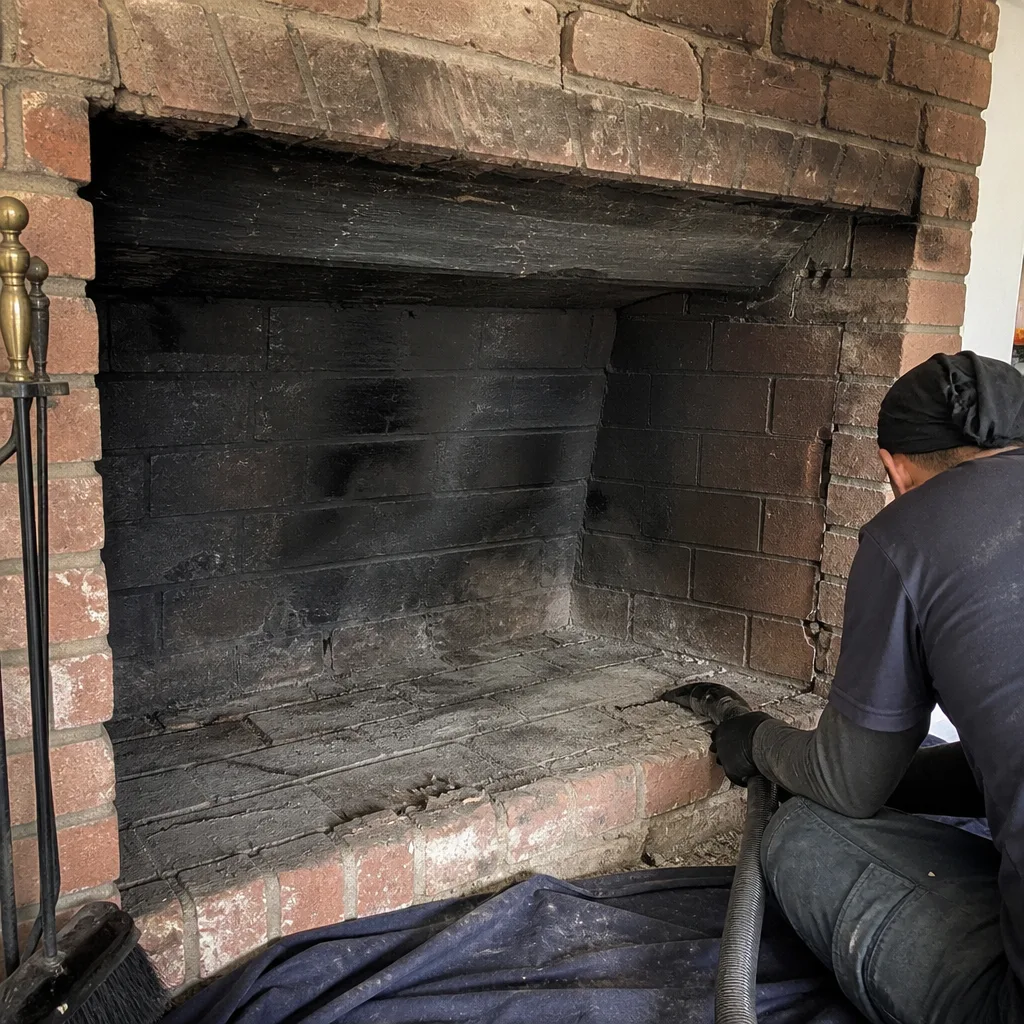 Before
 After
 Before
 After
When to Call a Professional
Some chimney problems are simple DIY checks. Others are genuinely hazardous. You should call a professional after any storm that affected your area if you see a missing or tilted cap, a visibly cracked crown, lifted flashing, water stains near the chimney, or debris resting on the damper. Call if the flue doesn’t show daylight from the firebox, if you smell smoke indoors without a fire, or if anyone in the home feels unwell after burning. Don’t try to clear a blocked flue or repair a crown yourself; those are jobs for a trained professional. If your chimney is older, has never been inspected, or you’re preparing for an insurance renewal or home sale, a professional inspection is the right move. Chimney Sweep Hollywood offers free estimates in Hollywood. Call (833) 974-6567. We answer 24/7. Fast dispatch from 7am to 7pm, Sunday through Friday.
Frequently Asked Questions
The fastest check is to look up the flue from the firebox with the damper open: if you don’t see daylight at the top, it may be blocked. Other signs include smoke backing up when you light a fire, a smoky smell indoors without a fire, and debris resting on the damper. Don’t try to clear it yourself; call a professional for an inspection. Call (833) 974-6567 for an exact quote. Estimates are free.
Cover the flue opening temporarily if you can do so safely from the ground, and keep the damper closed to reduce rain intrusion. Don’t get on the roof to reinstall it. A missing cap leaves the flue open to rain, debris, and animals, so schedule a professional to install a properly fitted cap as soon as possible. We work with Gelco and Famco caps. Call (833) 974-6567. We answer 24/7.
It’s urgent, but it’s rarely a same-hour emergency unless water is actively pouring into the living space. A cracked crown lets water into the masonry, and the longer it’s left, the more structural damage it causes. Cover the firebox and call for an inspection. If water is already penetrating, treat it as urgent. Call (833) 974-6567 for a free estimate.
Not until you’ve run the post-storm checklist: check the cap, crown, flashing, damper, and look for daylight up the flue. Even if everything looks fine from the ground, a professional inspection is the only way to confirm the flue is structurally sound. When in doubt, don’t burn. Call (833) 974-6567 to schedule an inspection.
Twice a year is a sound schedule for most Hollywood homes: once before hurricane season and once before burning season. If you burn wood frequently, you may need more. The honest answer depends on your specific system and how you use it, and a professional can tell you. Call (833) 974-6567 for a free estimate.
Insurers need evidence that damage happened during a covered event. A written inspection report with photos, dated notes, and documentation of the damage in place gives you that evidence. We document every inspection in writing, which is also useful for real-estate disclosure and warranty purposes. Call (833) 974-6567 to schedule a documented inspection.
The Bottom Line
Chimney emergency preparedness in Hollywood is mostly about storms, not fires. The real risks after a hurricane or tropical storm are blocked flues, displaced caps, cracked crowns, and carbon monoxide from obstructed venting, and every one of them is preventable or manageable with the right preparation. Secure the cap and close the damper before the storm. Assess from the ground after it. Run the checklist before you burn again. Document anything that’s damaged, and don’t wait for the first cold night to schedule a sweep. Most storm damage is repairable, and the earlier you catch it, the cheaper it is. When you’re ready, a professional inspection tells you exactly where you stand, in writing.
If you have questions about emergency preparedness for your chimney, or you want a professional opinion after a storm, we’re here to help. Call (833) 974-6567 for a free estimate. We answer 24/7. Fast dispatch from 7am to 7pm, Sunday through Friday. Whether you need a sweep, an inspection, or repair, Chimney Sweep Hollywood handles all three under one roof. Sweep. Inspect. Repair. All three. One company. We name the brands we use because the materials matter as much as the labor.
Written by the team at Chimney Sweep Hollywood.