
Last updated November 15, 2026
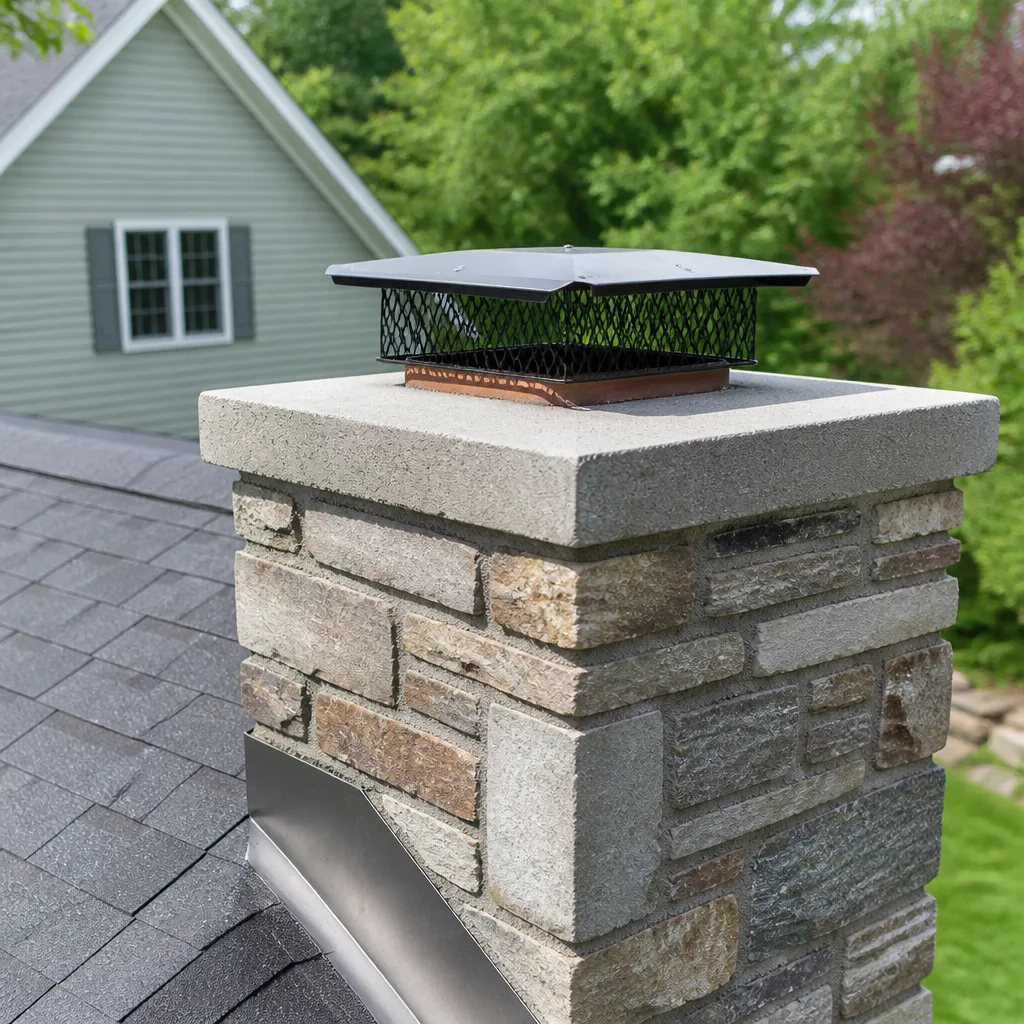 Sweep & inspection
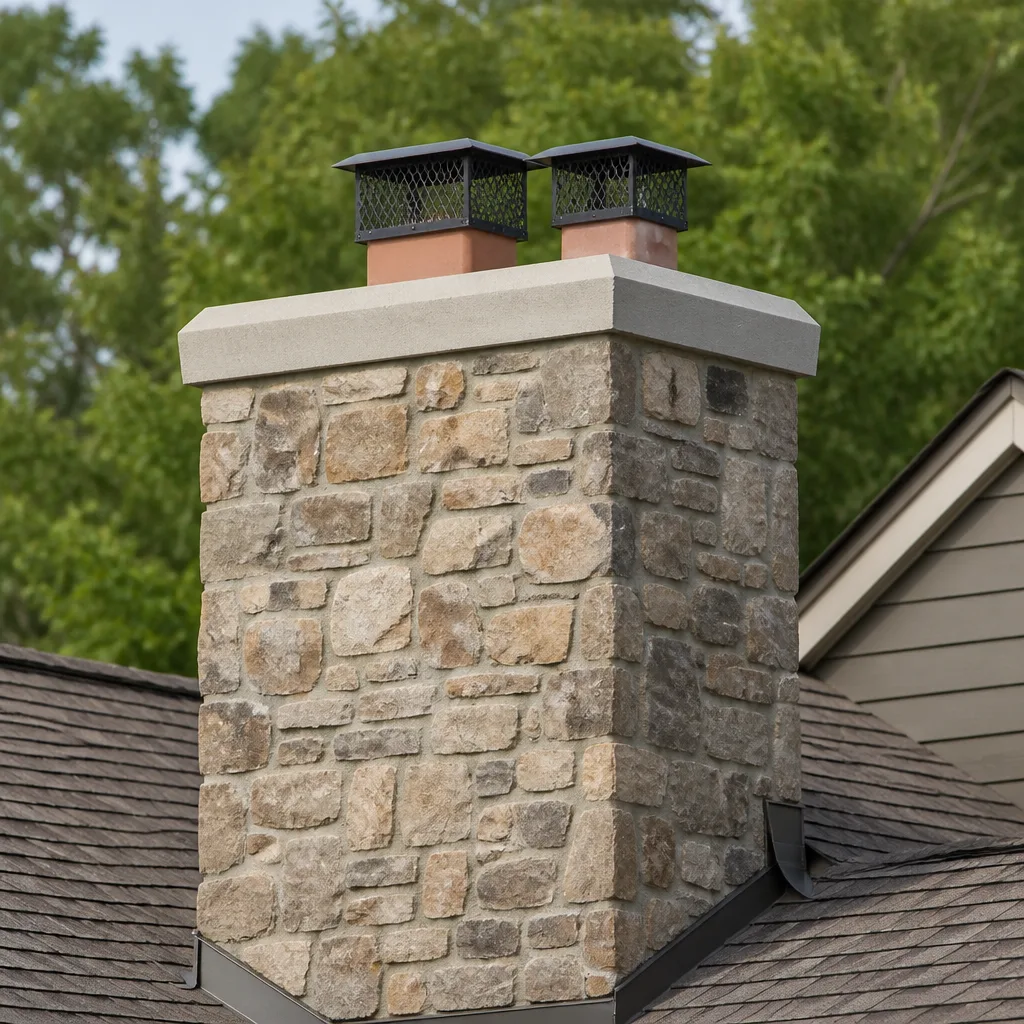 Caps & crowns
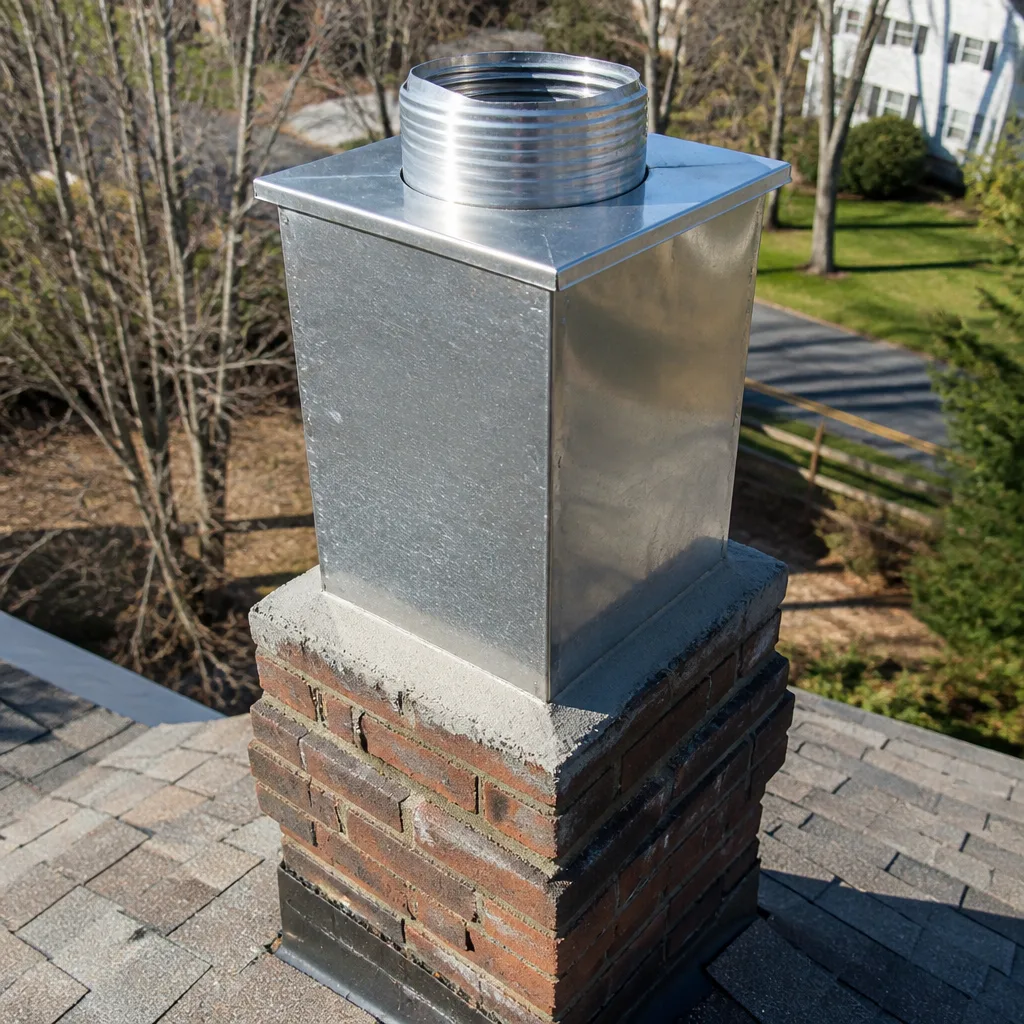 Flue relining
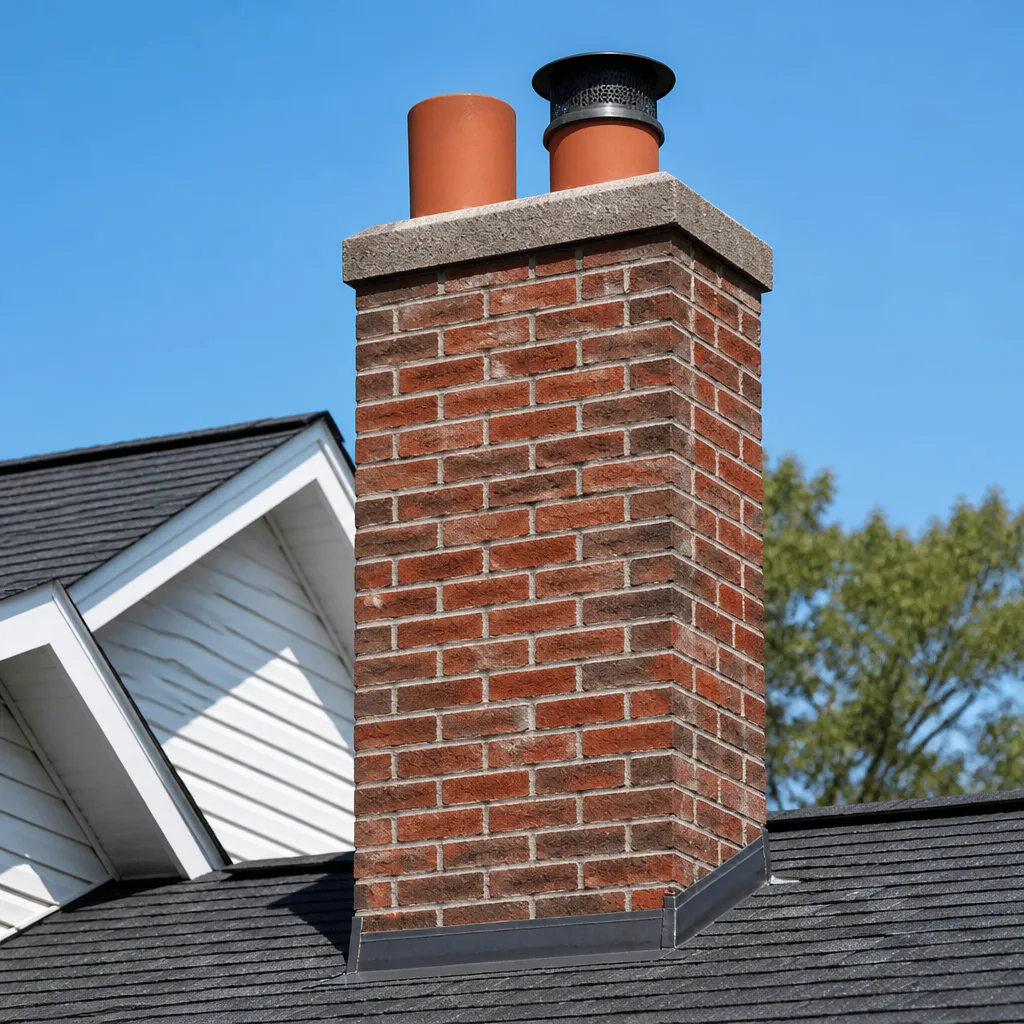 Masonry repair
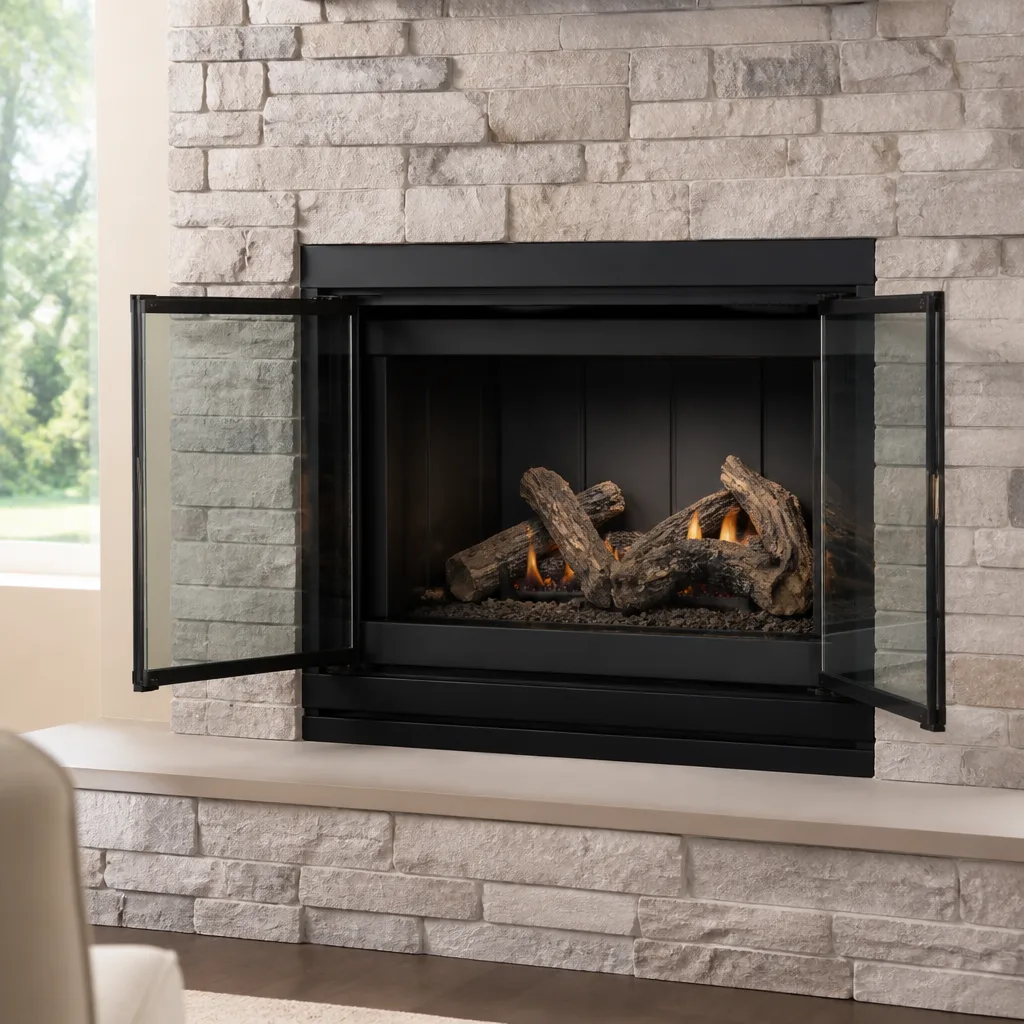 Gas fireplace service
Level 1 sweep and inspection to the NFPA 211 annual standard - flue, crown, cap, and flashing checked and photographed
Chimney sweep logs do not sweep chimneys. They loosen some creosote - which then falls where a brush and vacuum still have to collect it.
Chimney Sweep Maintenance Checklist for Hollywood Homeowners
Most chimney maintenance advice floating around online was written for houses that sit under snow for four months a year. That advice doesn’t fit here. Hollywood’s chimneys live through humid summers, months of disuse, and a rainy season that starts before most people think to look at their roof. The threats are different: moisture sitting in masonry, wildlife moving into uncapped flues, and corrosion that creeps faster than most homeowners expect. This checklist is organized by what to look for, not just when to look. We’ll cover what you can safely check from the ground, what needs a camera and a technician, how to track conditions year over year, and which red flags mean stop using the fireplace now.
Styles & brands we work with
- Sweep & inspection
- Caps & crowns
- Flue relining
- Masonry repair
- Gas fireplace service
Quick Answer
A Hollywood chimney should be swept once a year if you burn wood regularly, or inspected annually even if you rarely light a fire, with the check timed to the end of the rainy season and before you start burning again. The maintenance items that matter most in this climate are cap condition, exterior masonry, and liner integrity, because humidity and wildlife cause more long-term damage here than creosote alone. Anything you spot that suggests blockage, cracked masonry, or a loose cap should be checked by a technician before the first fire of the season.
Table of Contents
- Why a Hollywood Chimney Needs a Different Checklist
- 1. Cap and Crown Condition: The First Thing to Check
- 2. Exterior Masonry: Reading the Walls for Moisture Damage
- 3. Liner Integrity: Humidity, Spalling, and What You Can’t See
- 4. Flue Blockage and Wildlife: South Florida’s Hidden Hazard
- 5. Creosote and Soot: What Seasonal Burning Actually Leaves Behind
- 6. What You Can Check Yourself vs. What Needs a Camera
- 7. Documenting Your Chimney Year Over Year
- 8. Red-Flag Conditions That Mean Stop Using the Fireplace
- Common Mistakes to Avoid
- When to Call a Professional
- Frequently Asked Questions
- The Bottom Line
Why a Hollywood Chimney Needs a Different Checklist
A chimney maintenance guide written for a cold-climate city leads with creosote and freeze damage. Hollywood doesn’t have that problem. What it has is a long, humid off-season and a wet season that keeps exterior masonry damp for months at a stretch. A chimney in Hollywood sits unused from roughly late spring through early fall, and that is exactly when the damage accumulates quietly.
Three conditions drive most of the repair work we see in Hollywood and the surrounding Broward County neighborhoods:
- Moisture intrusion through the top. An uncapped or poorly capped flue takes in rain all summer. The water doesn’t just disappear; it works into the masonry, the crown, and the liner joint.
- Humidity-driven deterioration. Even a chimney that never sees a drop of rain stays damp in this climate. Masonry absorbs moisture from the air, and flue liners that are already compromised spall faster when they stay wet.
- Wildlife and debris. An open flue in South Florida is an invitation. Raccoons, iguanas, and Cuban tree frogs have all been found inside residential flues in this region, and each of them brings nesting material and, eventually, a blockage.
The practical result: a Hollywood chimney benefits from an inspection timed to the end of the rainy season, so you’re looking at the condition it’s in after the wettest months, not before. That’s different from the “sweep it in October before you burn” rhythm that guides written for northern climates follow. Both are worth doing. The Hollywood-specific version puts the inspection where the damage shows.
1. Cap and Crown Condition: The First Thing to Check
If you check one thing on this list, check the cap. A chimney cap is a small piece of metal on top of the flue, and in Hollywood’s climate it does more protective work than any other single component. It keeps out rain, keeps out animals, and keeps sparks off the roof. When it’s missing, loose, or rusted through, everything below it starts to suffer.
What to look for
- Rust and corrosion. Galvanized steel caps corrode quickly in a humid, salt-laden climate, often within a few years. Stainless steel caps last far longer and are the right choice for South Florida. If your cap is galvanized and shows rust streaks, it’s near the end of its service life.
- Loose or missing fasteners. A cap that shifts in wind will eventually come off. Check the mounting legs and screws from the ground with binoculars if you can’t safely see them up close.
- Missing mesh or damaged screening. The spark screen is what keeps animals out. A torn screen is an open door.
- Cracked crown. The crown is the concrete-like surface at the top of the chimney that sheds water away from the masonry. Hairline cracks are common and repairable. Larger cracks let water straight into the structure.
We install chimney repair caps from Gelco and Famco, the two lines professional chimney trades rely on for moisture and animal exclusion. If your cap is past repair, replacing it is one of the least expensive maintenance steps you can take and one of the most consequential. A cap is not optional in this climate. It’s the first line of defense against the water damage that leads to everything else on this checklist.
2. Exterior Masonry: Reading the Walls for Moisture Damage
The outside of your chimney tells you what’s happening inside it. In Hollywood, where humidity stays high through most of the year, exterior masonry is where slow moisture problems first become visible. You can inspect most of this from the ground with a pair of binoculars.
Signs to look for
- Efflorescence. That white, powdery staining on brick or stucco is salt pushed to the surface by water moving through the masonry. It’s not dangerous on its own, but it’s a signal that moisture is traveling where it shouldn’t. Efflorescence that keeps returning after cleaning is a chronic moisture problem, not a cosmetic one.
- Spalling. When the face of a brick flakes or pops off, that’s spalling, and it means the masonry has been saturated and dried repeatedly. Spalled brick near the top of the chimney usually points to a failed crown or cap.
- Rust stains on the chimney or roof. A rust streak below a metal component usually traces back to a corroding cap, flashing, or chase cover.
- Moss, algae, or dark staining on the north-facing side. Persistent green or black growth on masonry indicates the surface stays damp longer than it should, common on shaded sides of Hollywood chimneys.
- Deteriorating mortar joints. Recessed or crumbling mortar between bricks lets water into the wall cavity. Repointing is straightforward when caught early and expensive when it isn’t.
Stucco chimneys, which are common in Hollywood and across Broward County, deserve a close look too. Stucco can crack in ways that aren’t obvious from a distance, and a cracked stucco chase admits water into whatever framing sits behind it. Look for hairline cracks near corners and where the chimney meets the roofline. Tile roofs, also common here, hide chimney flashing failures until water shows up inside. Take a look when you’re already on the roof checking your gutters, and note anything that looks off.
3. Liner Integrity: Humidity, Spalling, and What You Can’t See
The flue liner is the inner wall that carries smoke and gases up and out. It’s also the component most affected by Hollywood’s climate and the one you can’t meaningfully inspect without a camera. Clay tile liners, which are still in a lot of older Hollywood homes, are susceptible to moisture. When water gets behind a clay tile, the tile spalls, the joint opens, and the liner starts to fail. Humid air alone accelerates the process once there’s a hairline crack anywhere in the system.
A failed liner is a genuine hazard, not a theoretical one. It lets heat and combustion gases into the masonry or the framing behind it, and it lets carbon monoxide into the living space. This is the reason a camera inspection matters more than a visual sweep.
How we assess liner condition
- Camera inspection of the full flue. We run a camera through the entire length of the liner and record what it shows. Cracks, gaps, spalling, and offset sections all show up clearly.
- Condition report in writing. You get the findings documented, not just described verbally. That document is what you show your insurer or your buyer.
- Choose the right remedy. Not every damaged liner needs a full replacement. HeatShield ceramic resurfacing can restore a flue that isn’t structurally compromised, at a fraction of the cost of a reline. For flues that are beyond resurfacing, a DuraFlex flexible liner is often the right call, and it handles the offset and irregular flue configurations that rigid liners can’t navigate.
If your home has an older clay liner and a fireplace you use regularly, this is the section that matters most. Get the camera inspection, look at what it shows you, and make a decision based on evidence.
4. Flue Blockage and Wildlife: South Florida’s Hidden Hazard
In most of the country, a blocked flue means a bird’s nest or a squirrel. In Hollywood, it can mean a raccoon, an iguana, or a Cuban tree frog, all of which have been found inside residential flues in South Florida. An open or uncapped flue here can also collect leaves and seed pods from palms and ficus, which pack down at the smoke shelf and stay there.
What makes this a checklist item rather than an occasional problem is that a blocked flue doesn’t announce itself. You won’t smell it and you won’t see it. The first sign is often smoke rolling back into the room when you light a fire, or a carbon monoxide alarm going off. Both are serious, and both mean stop using the fireplace.
Blockage signs a homeowner can notice
- Smoke spilling into the room instead of drawing up, even with the damper open.
- A smell of smoke or soot in the house when there’s no fire burning.
- A strong draft coming down the flue when nothing is burning.
- Animal sounds, scratching, or movement from the firebox or flue.
- Visible nesting material or debris sitting in the firebox.
If any of these appear, don’t light a fire to see if it clears. A cap is the prevention, and a sweep with a camera is the diagnosis. A cap from a line like Famco or Copperfield closes the flue to animals and rain without blocking proper ventilation. If you’re not sure whether your flue is capped, that’s worth checking today.
5. Creosote and Soot: What Seasonal Burning Actually Leaves Behind
Creosote is the dark, sticky residue left behind when wood burns. It accumulates on the flue walls and is the fuel for chimney fires. Hollywood’s climate plays into this in a particular way: because so many homeowners here burn intermittently rather than continuously, the chimney spends long stretches unused, and each new fire burns on top of older deposits. That intermittent pattern, combined with a damp off-season, tends to leave creosote that hardens.
How much creosote you accumulate depends on the wood you burn, how often, and how you run the fire. Seasoned, dry hardwood leaves less. Green or unseasoned wood, or a fire that smolders and smokes rather than burning hot, leaves more. In our experience, a Hollywood homeowner who burns a few dozen fires a year still needs a sweep and inspection every year, because the creosote that matters most accumulates in the later stages of the flue where a visual check can’t see it.
What the sweep and inspection actually check
- Creosote level along the flue walls, measured and documented by a camera inspection.
- Soot buildup at the smoke chamber and smoke shelf, which is where airflow problems begin.
- The damper, checked for a clean seat and easy operation.
- The firebox, checked for cracked brick or broken mortar at the firebox joints.
- The cap and crown, confirmed secure and intact.
- Signs of moisture in the flue that could speed liner spalling.
A proper chimney sweep isn’t just a brush down the flue. It’s a full condition check with documentation. That’s the standard you should expect.
6. What You Can Check Yourself vs. What Needs a Camera
A lot of chimney maintenance is genuinely do-it-yourself friendly. The trick is knowing where the line is. Doing too much from a ladder is dangerous, and doing too little means you miss the problems that only show up on camera. Here’s the split, honestly.
Safe to check yourself
- Cap condition from the ground. Binoculars from the yard, looking for rust, missing mesh, or a cap that isn’t sitting square.
- Exterior masonry from the ground. Efflorescence, spalling brick, dark staining, or obvious cracks in stucco.
- The firebox and damper. Look up the flue with a flashlight for obvious blockage. Work the damper to confirm it opens and closes freely.
- Cracks at the roofline. Hairline cracks where the chimney meets the roof, visible from the ground or from a window.
Not safe, or not possible, on your own
- Liner condition. You can’t see the full flue from the firebox and can’t tell a cracked tile from a sound one without a camera.
- Creosote level along the full flue. The most dangerous deposits sit where the brush doesn’t reach from below.
- Smoke chamber and smoke shelf. These are behind a bend the eye can’t see around.
- Anything on a roof. Rooflines in this climate are often steep, tiled, and slick, especially after rain. Getting on a roof to look at a chimney is exactly the kind of work that turns into a fall. Don’t do it.
If you want to be thorough about the parts you can see, great. Take photos, write down what you find, and hand the notes to the technician during the inspection. That gives them a starting point and makes the process more efficient.
7. Documenting Your Chimney Year Over Year
Chimneys don’t fail suddenly. They fail slowly, over years, in ways that are visible in photos if you have last year’s photos to compare against. That’s why documenting your chimney’s condition every year is one of the most useful maintenance steps you can take, and it’s one that almost nobody does.
What to document
- Date of each inspection or sweep. Note the month and year, so you can see whether the conditions you’re tracking correlate with a rainy season or a heavy burn year.
- Photos of the exterior. A set of photos of the chimney from the ground, from the roof, and from each side, taken once a year on the same date.
- The inspector’s written report. Keep the camera-inspection report, not just the invoice. It’s the document that shows the flue’s condition at a specific point in time.
- Notes on anything that changed. A new cap, a repair to the crown, a resurfacing job. This is the record that shows what’s been done and when.
The written inspection reports are useful beyond maintenance. If you’re renewing insurance, a recent report documents the chimney’s condition. If you’re selling a home in Hollywood, a report can preempt the buyer’s inspection findings. If your fireplace is under warranty, an inspection record demonstrates you’ve maintained the system. We document every inspection in writing because that document belongs to you, not to us.
8. Red-Flag Conditions That Mean Stop Using the Fireplace
A maintenance checklist is a plan for prevention. But some conditions override the plan entirely. If you see any of these, stop using the fireplace immediately and get a technician out before you burn another fire, regardless of when your last sweep was.
- Smoke rolling back into the room. This means the flue isn’t drawing, and the most likely causes are a blockage or a structural failure. Don’t try to burn it clear.
- A carbon monoxide alarm sounding when the fireplace is running. This is an emergency. Get out, call the fire department, and don’t relight until the system has been inspected.
- Visible cracking in the firebox masonry or a damaged firebox liner. Gaps in the firebox let heat reach the framing behind it.
- Loose or missing cap that you can see from the ground. This means water and animals are getting in, and the flue may already have a blockage.
- Smoke or soot stains on exterior masonry. That’s a sign of a leak where smoke is escaping through a failed joint.
- A strong draft of cold air coming down the flue when nothing is burning. This suggests poor sealing at the top and is worth a same-day call.
None of these are conditions to “keep an eye on.” The stakes are high enough that a call is worth making. Call (833) 974-6567. We answer 24/7. Fast dispatch is available from 7am to 7pm, Sunday through Friday, and a technician can come out and tell you what’s actually happening.
Common Mistakes to Avoid
- Treating the chimney as a fall project. Hollywood’s rainy season runs through the summer, so the damage from moisture and wildlife happens before fall. Inspect at the end of the wet season, then again before burning season if you burn heavily.
- Skipping the camera inspection because the sweep “looked fine.” A brush sweep clears creosote; it doesn’t see a cracked liner tile or a spalled joint. Without a camera, you’re guessing about the single most safety-critical component in the system.
- Ignoring a rusted or missing cap. Replacing a cap is one of the least expensive maintenance items there is. Skipping it can lead to masonry damage that costs many times more, and in a climate with wildlife in every neighborhood, a missing cap is also an open door.
- Burning unseasoned or green wood. It leaves more creosote and contributes more moisture to the flue. In a climate where humidity is already a factor, dry, seasoned hardwood is a maintenance decision, not a preference.
- Climbing on the roof to check the chimney. The most common chimney-related injury isn’t from fire. It’s from a ladder or a tile roof after a rain. Leave roof work to a technician.
- Ignoring the paperwork. A written inspection report is worth having for insurance, resale, and warranty reasons. If your inspector doesn’t provide one, ask for it, or find one who does.
- Assuming you need a full reline the first time you hear the word “damage.” A failed liner joint doesn’t always mean a full replacement. HeatShield resurfacing can restore a flue that isn’t structurally compromised. Get a second opinion before authorizing a full reline, and ask the technician to show you the camera evidence.
When to Call a Professional
Every chimney should be inspected by a professional at least once a year, regardless of how often you burn. On top of that annual inspection, call us if you notice smoke backing into the room, a carbon monoxide alarm during a fire, a missing or rusted cap you can see from the ground, obvious crack in the firebox, or any sign of animal activity in the flue. If you’re selling a Hollywood home, renewing insurance, or have never had a camera inspection on a home you’ve owned for years, that’s also a reason to call. Chimney Sweep Hollywood offers free estimates in Hollywood. All work is documented with a camera inspection and a written report, so you have something to show your insurer, your buyer, or yourself. Call (833) 974-6567 to set up a visit.
Frequently Asked Questions
Once a year is the standard. If you burn wood regularly, sweep and inspect annually. If you rarely burn, an annual inspection is still the right call because moisture and wildlife damage happen whether or not you light a fire. In Hollywood’s climate, timing the annual check to the end of the rainy season and again before burning season is the recommended rhythm. Call (833) 974-6567 to schedule yours; estimates are free.
A camera inspection is the only way to see what the flue liner actually looks like along its full length. A brush sweep removes creosote but can’t show you a cracked tile, a spalled joint, or a gap in the smoke chamber. Given that a failed liner is a genuine carbon monoxide and fire risk, the camera is the part of the service that matters most. A proper inspection includes a written report you keep.
If your cap is galvanized steel and showing rust streaks, it’s near the end of its service life in this climate. Stainless steel caps last far longer and are the right choice for South Florida. A corroded cap lets water and animals in, and an open flue in Hollywood can collect a lot more than rain. Replacing the cap is one of the least expensive maintenance steps there is, and we install Gelco and Famco caps, the two lines professional chimney trades rely on.
Some things are safe to check yourself: cap condition from the ground, exterior masonry for efflorescence or spalling, the damper, and the firebox for visible cracks. What you can’t safely or reliably check is the liner, the smoke chamber, or anything on the roof. Climbing onto a tile roof in South Florida’s climate is a genuine fall risk. Leave the roof and flue to a technician with a camera and a report.
Not always. A damaged flue can sometimes be restored without a full liner replacement. HeatShield ceramic resurfacing extends flue life when the structure is intact, and it costs less than a full reline. When a reline is needed, DuraFlex flexible liners handle the offset and irregular flues that rigid liners can’t navigate. The right choice depends on what the camera shows, and we’ll tell you honestly which one you actually need. Call for an estimate, and ask to see the evidence.
Skipping a year isn’t a catastrophe on its own, but it does mean you’re relying on assumptions instead of evidence. If your flue has a developing liner crack, a cap that’s starting to fail, or wildlife nesting material, a year of inattention lets all of that get worse. In a climate where moisture and animals are the main threats, the case for annual inspection is stronger than it is in cold climates where creosote and freezing do the damage. Call (833) 974-6567 for an inspection; estimates are free.
The Bottom Line
The right chimney maintenance checklist for a Hollywood home is organized around what this climate actually throws at a chimney: year-round humidity, a rainy season that starts early, months of disuse, and wildlife that treats an open flue as a den. Sweep annually. Inspect with a camera annually, timed to the end of the wet season. Keep the cap in good order, watch the exterior masonry for efflorescence and spalling, and know the red flags that mean stop using the fireplace now. Document everything you find and everything that gets repaired. If you do those things, you’ll catch slow deterioration before it becomes structural. We handle Chimney Sweep Hollywood work across Hollywood and the surrounding area, and we bring a camera to every inspection so you can see for yourself what’s actually going on in your flue. Call (833) 974-6567 for a free estimate. We answer 24/7, with fast dispatch from 7am to 7pm, Sunday through Friday.
Written by the team at Chimney Sweep Hollywood.
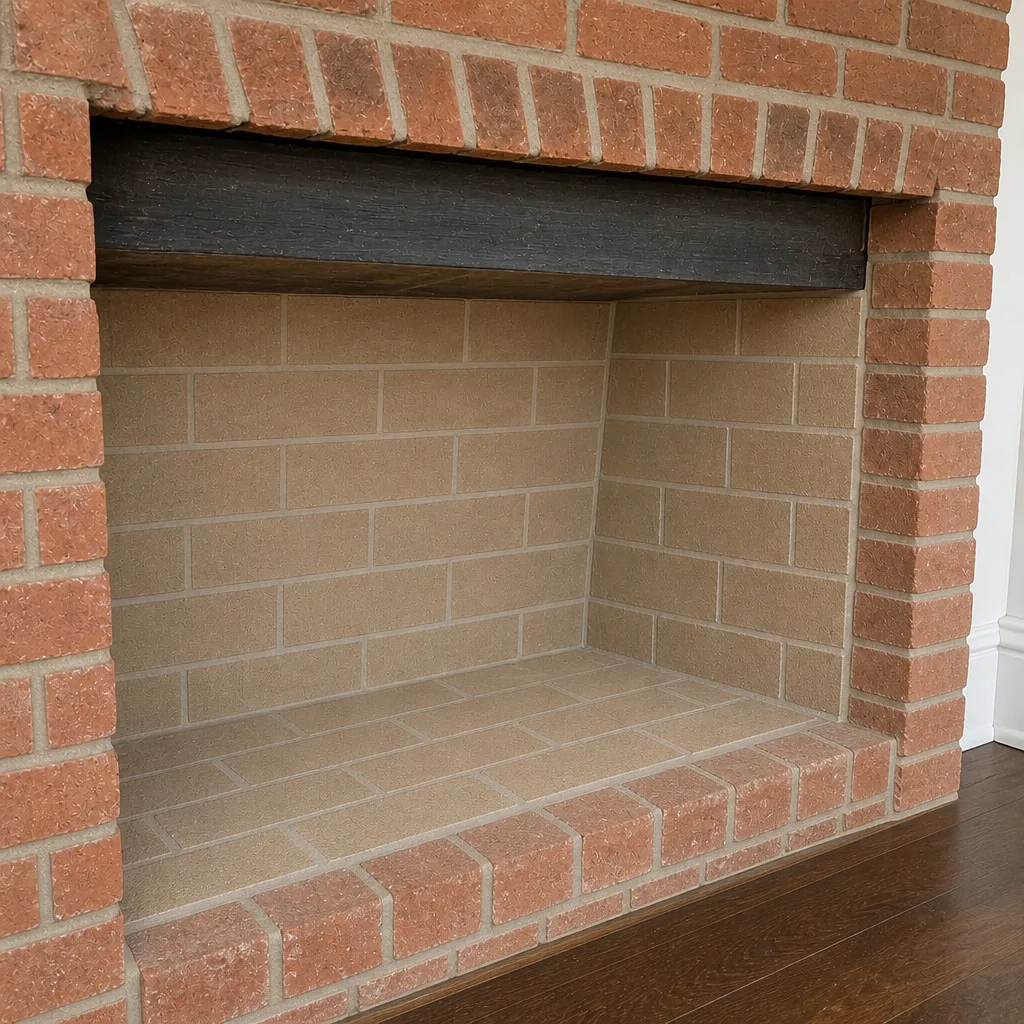
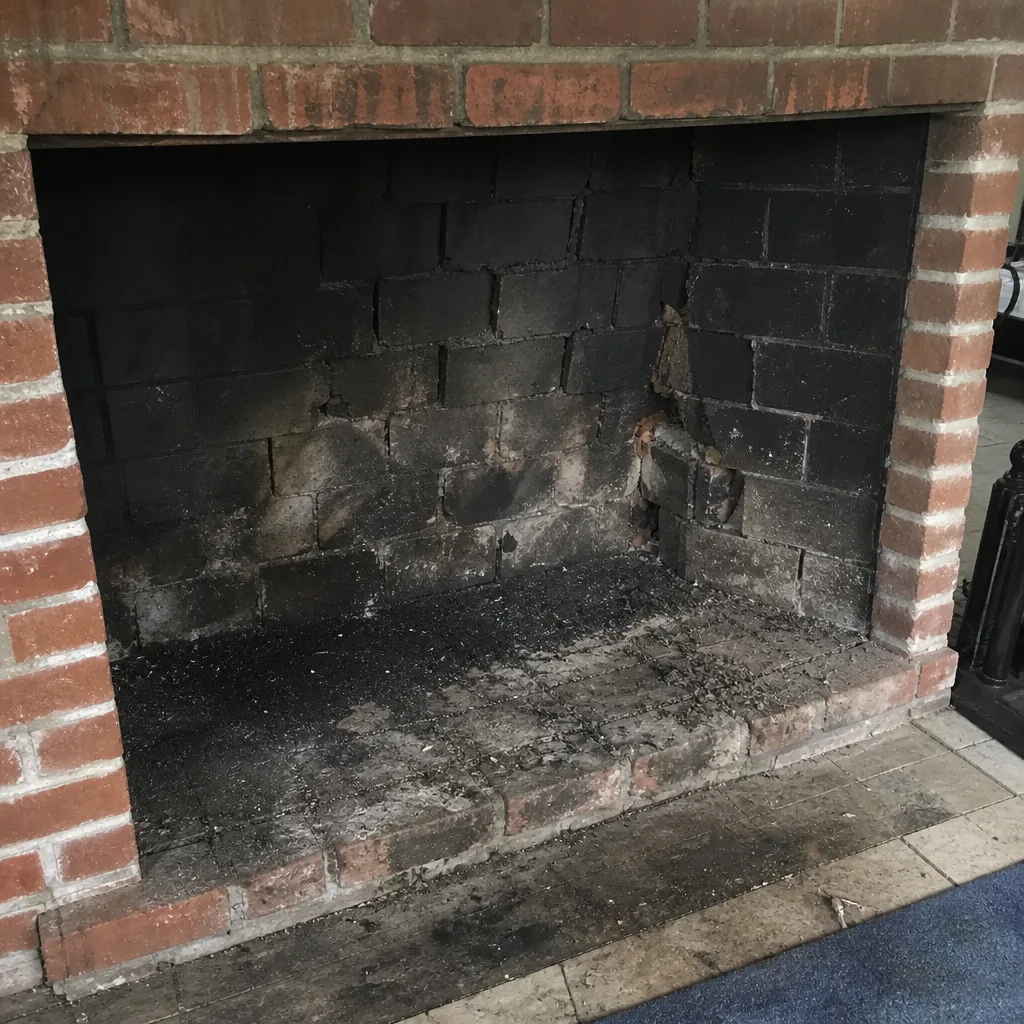
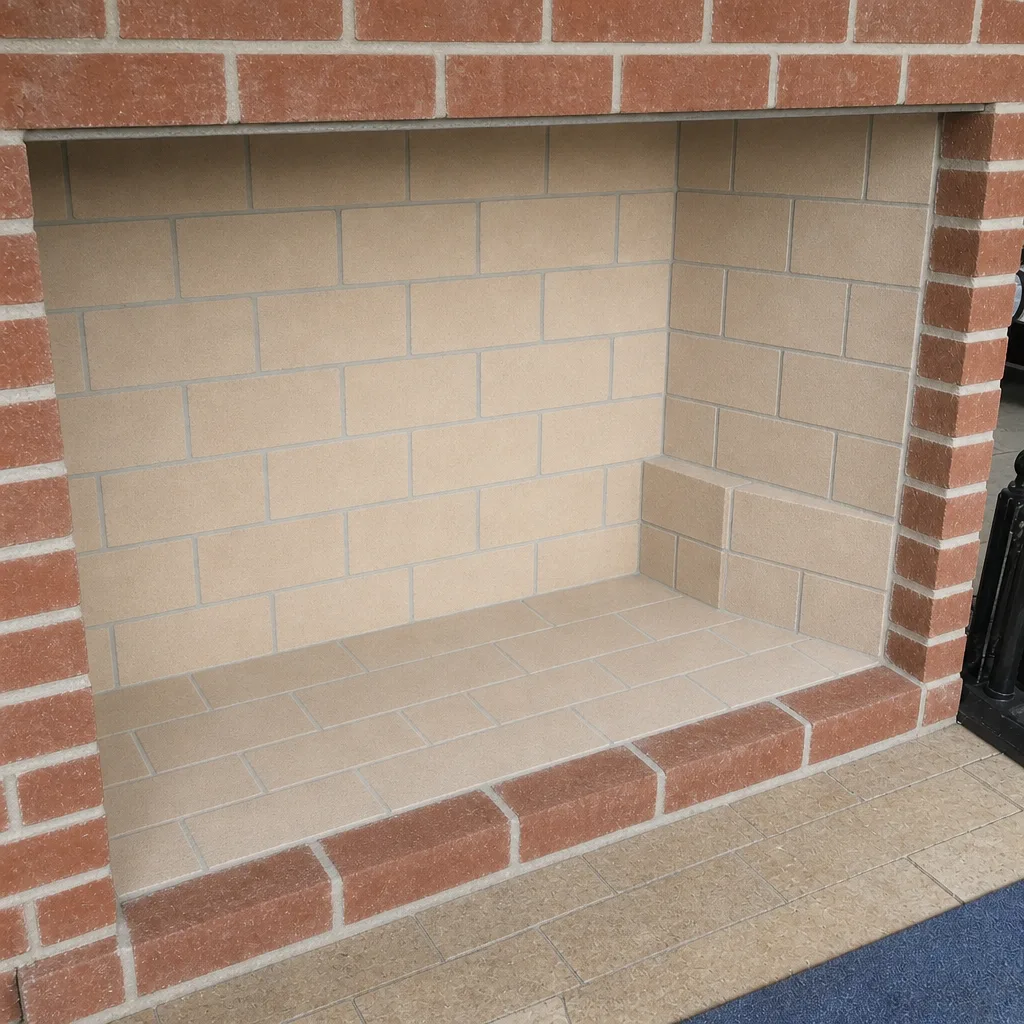
See the difference
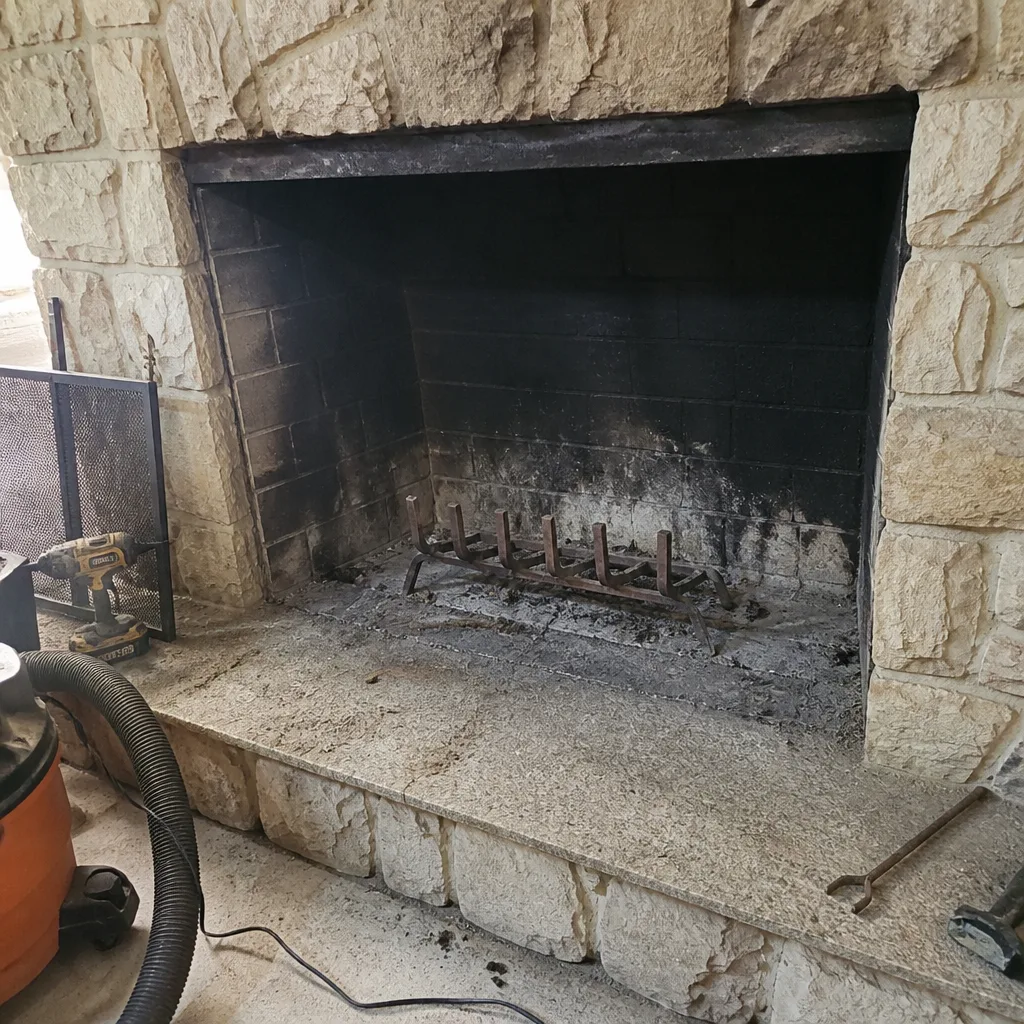 Before
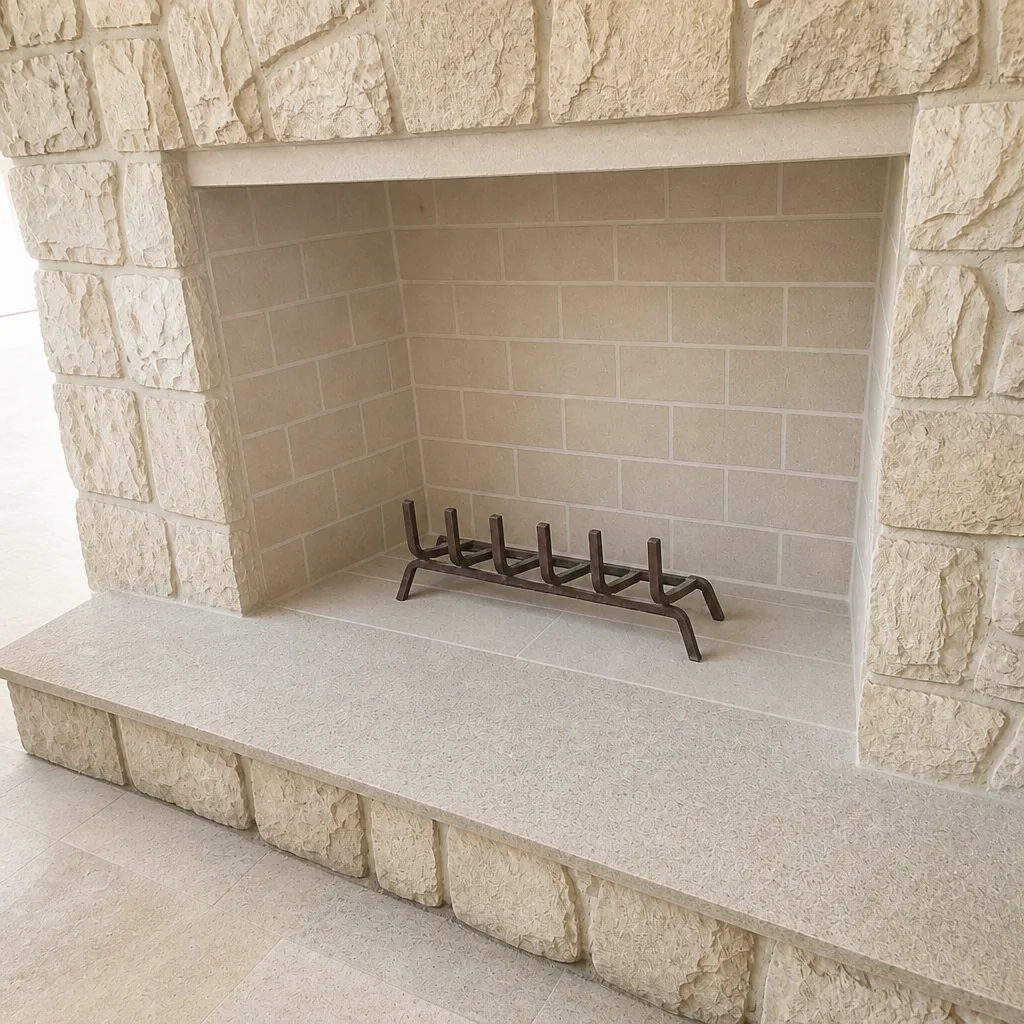 After
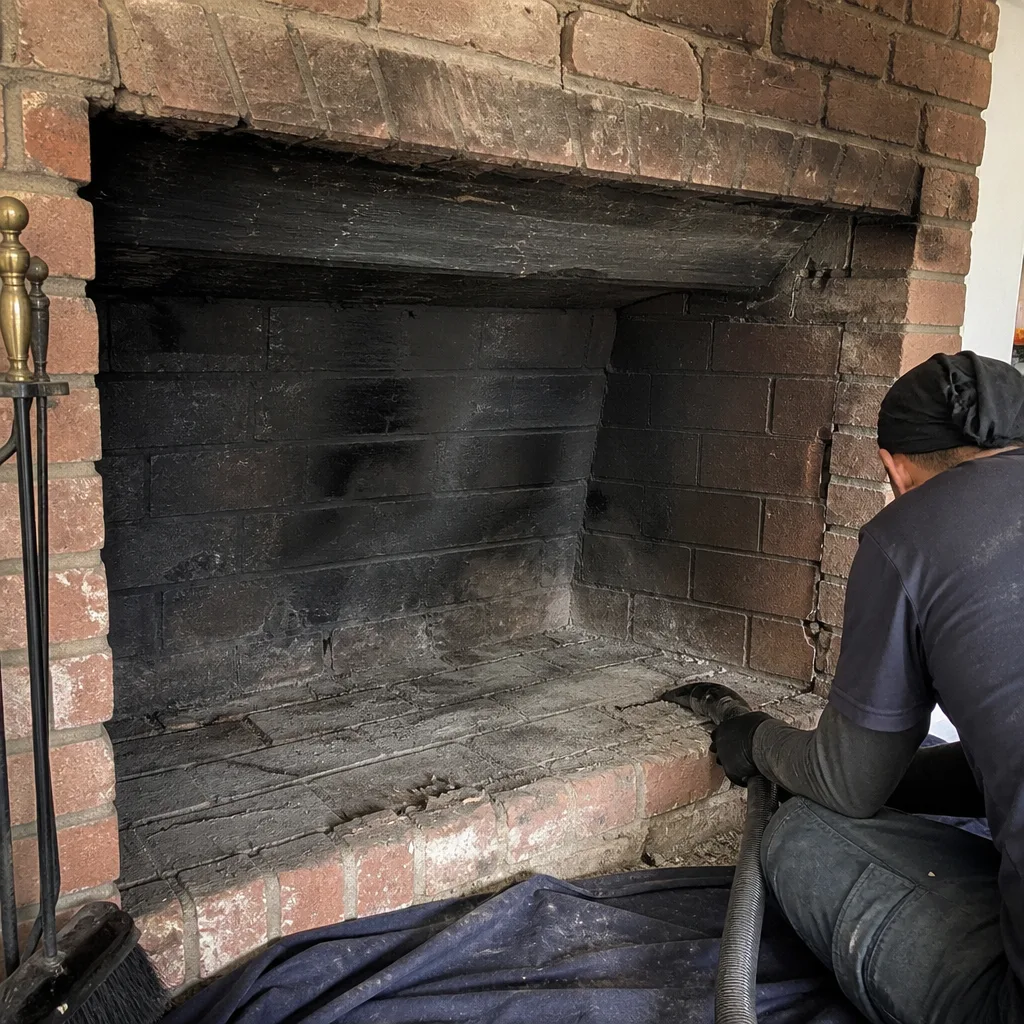 Before
 After
 Before
 After