
Last updated November 15, 2026
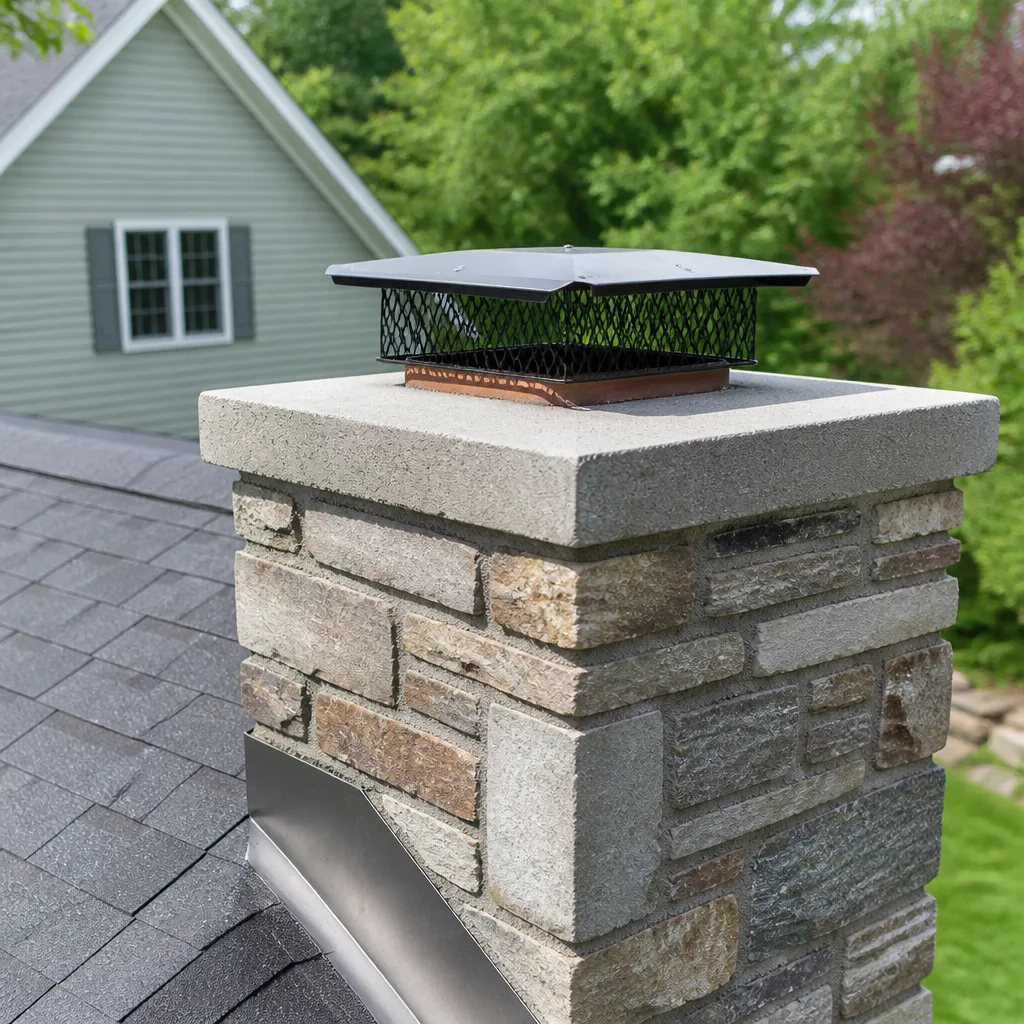 Sweep & inspection
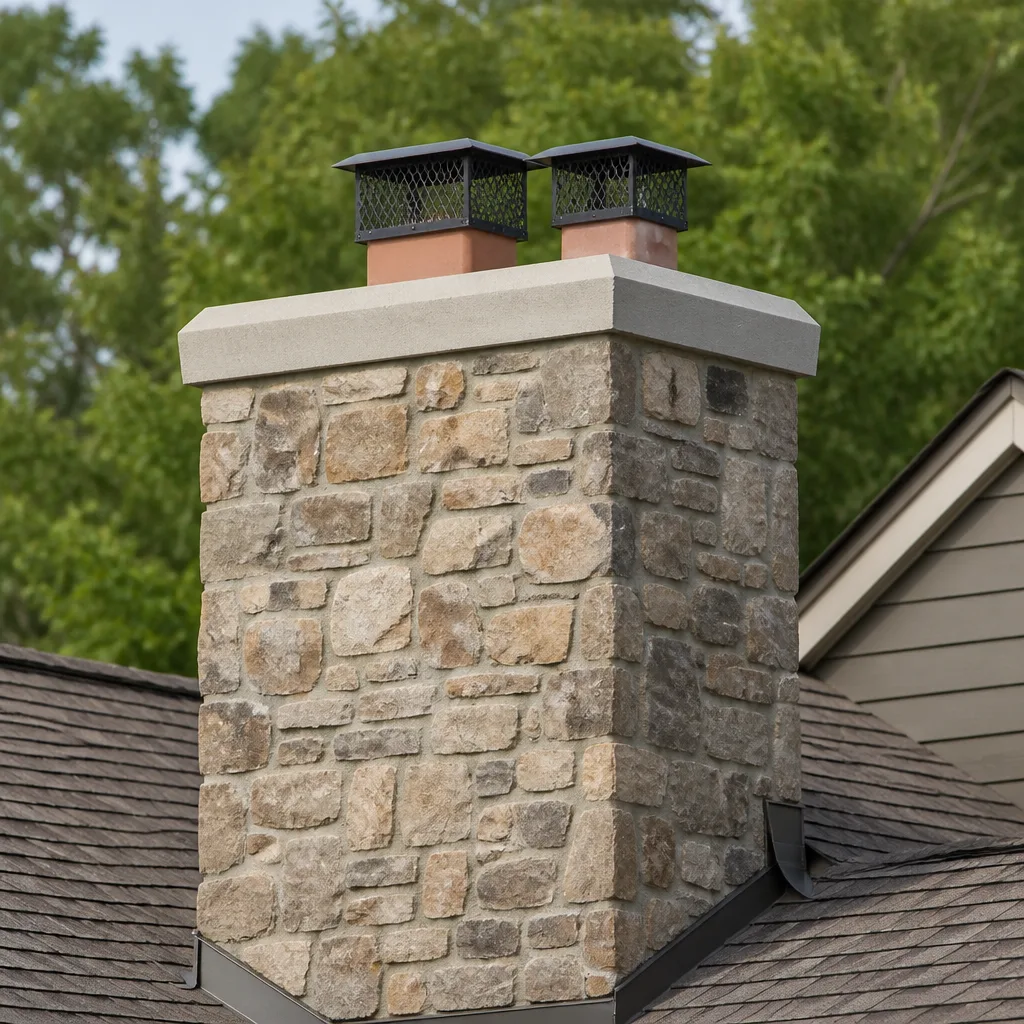 Caps & crowns
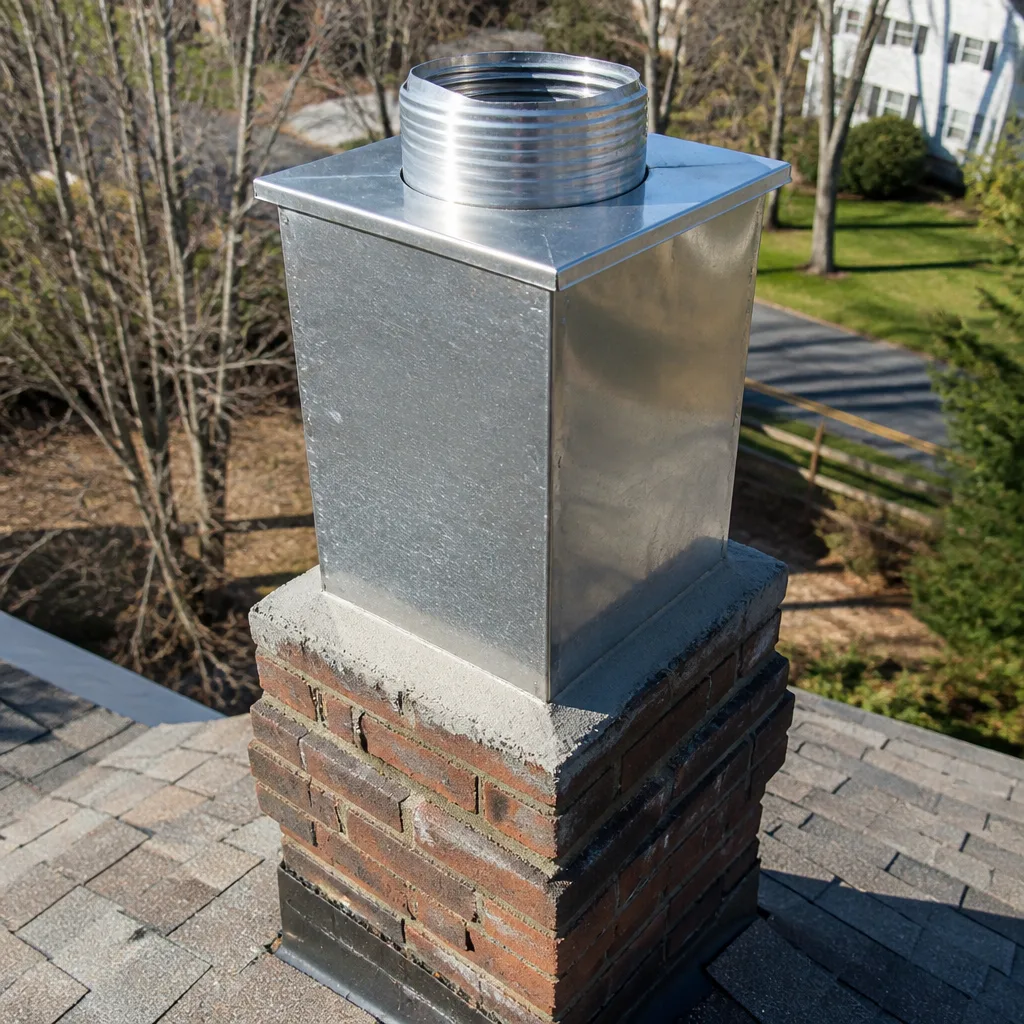 Flue relining
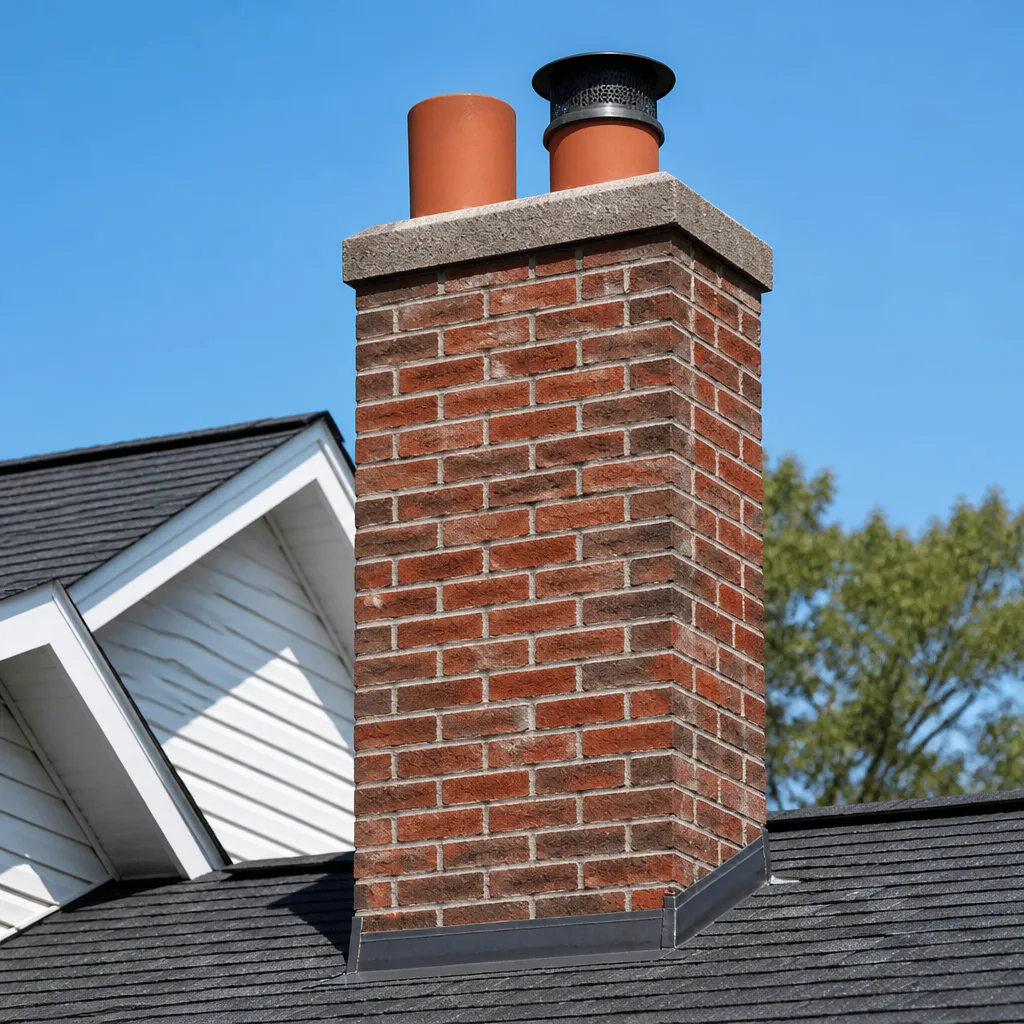 Masonry repair
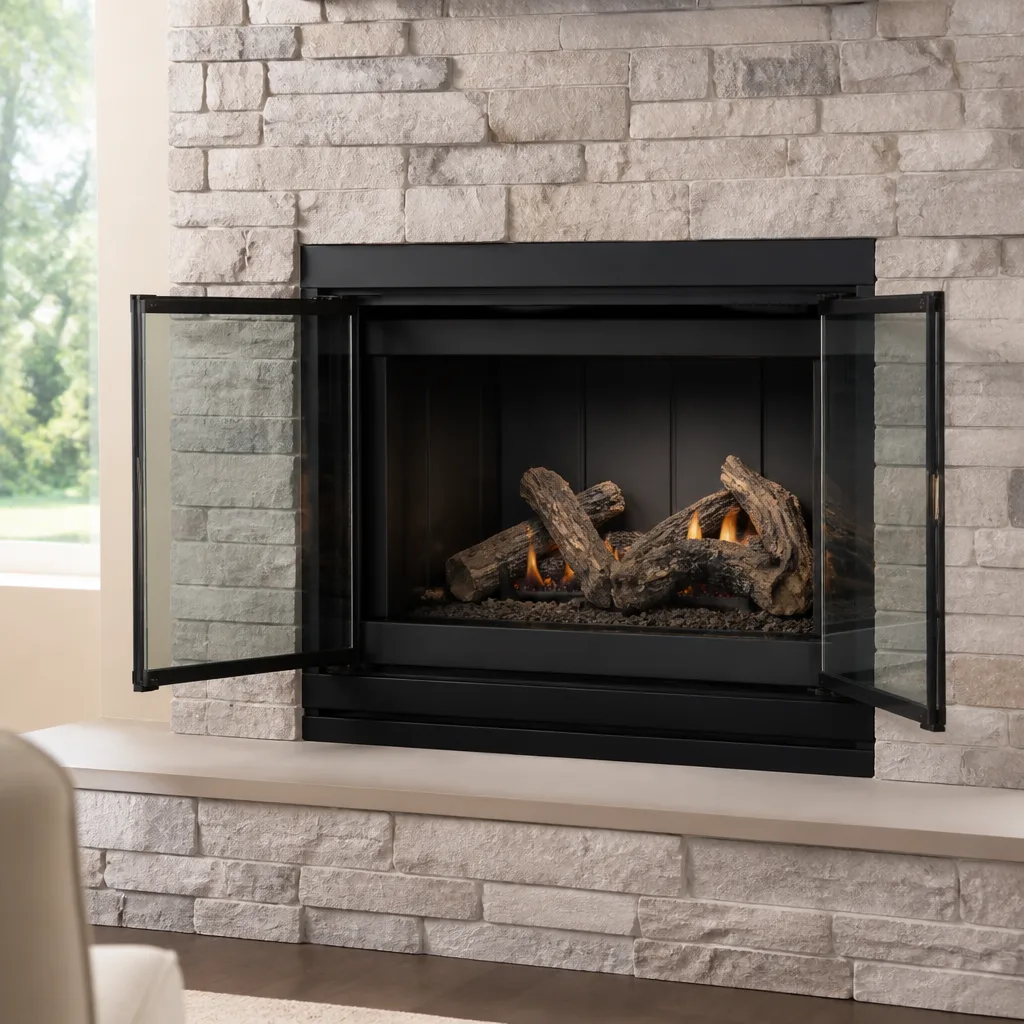 Gas fireplace service
Level 1 sweep and inspection to the NFPA 211 annual standard - flue, crown, cap, and flashing checked and photographed
Chimney sweep logs do not sweep chimneys. They loosen some creosote - which then falls where a brush and vacuum still have to collect it.
Chimney Cleaning Permits, Codes & Inspections in Hollywood, FL: What You Need to Know
A chimney cleaning doesn’t need a permit. A liner replacement almost certainly does. The gap between those two statements is where homeowners get into trouble, because a contractor who finds cracked tiles during a routine sweep sometimes rolls straight into repairs without explaining that the work has just crossed a regulatory line. You end up with unpermitted work on record, a flue that may not pass inspection at resale, and an insurer with a legitimate reason to ask questions. This guide draws that line clearly for Hollywood homeowners: what triggers a permit, how Florida’s building code meets NFPA 211, what a Level 2 inspection actually is, and the questions to ask before anyone touches your flue.
Quick Answer
Routine chimney cleaning and inspection in Hollywood, FL do not require a building permit. Structural chimney repair, liner replacement, and any work that alters the flue system generally do require a permit through Broward County or the City of Hollywood building department, and the work must meet Florida Building Code requirements alongside NFPA 211 standards. A Level 2 inspection is required in specific circumstances, including a real estate transfer and after a chimney fire or other event likely to have caused damage.
Styles & brands we work with
- Sweep & inspection
- Caps & crowns
- Flue relining
- Masonry repair
- Gas fireplace service
Table of Contents
- Where the Line Falls: Cleaning Versus Permitted Work
- How Florida’s Building Code and NFPA 211 Work Together
- What Actually Triggers a Chimney Permit in Hollywood
- Level 2 Inspections: What They Are and When Florida Requires One
- How Unpermitted Chimney Work Affects Insurance and Home Sales
- Why an Annual Inspection Is the Cheapest Form of Compliance
- What to Ask a Contractor Before Work Begins
- Documentation: The Paper Trail That Protects You
Where the Line Falls: Cleaning Versus Permitted Work
In our experience, this is the single most misunderstood part of chimney work, and it’s genuinely not the homeowner’s fault. A sweeping company arrives, finds a problem, and the homeowner assumes the fix is just part of the service. Sometimes it is. Often it isn’t. The distinction matters because one category of work is a maintenance task and the other is construction.
Cleaning sits firmly on the maintenance side. Brushing and vacuuming the flue, removing creosote and soot, clearing an obstruction, and the visual inspection that comes with it are all service work. No permit, no inspection by the city, no filing. This holds true whether you’re in a 1950s block home near downtown Hollywood or a newer townhouse further west.
Repair is different. The moment the work changes the physical structure of the chimney or flue system, most jurisdictions treat it as construction. That generally includes:
- Replacing or relining a flue with a new liner system
- Rebuilding a chimney crown, or repairing significant masonry at the top
- Removing and replacing damaged flue tiles
- Structural changes to the chimney chase, firebox, or smoke chamber
- Adding a new appliance connection, such as a wood stove or insert with a new flue path
Cosmetic and protective additions are usually lighter-touch. A chimney cap installed on an existing flue is a common example, and it’s the kind of work that rarely draws a permit because nothing structural changes. We install Gelco and Famco caps for exactly this reason – they close the opening against rain and animals without altering the flue itself. Still, Hollywood’s building department has the final word, and it’s always worth a phone call when you’re unsure which side of the line a job sits on.
How Florida’s Building Code and NFPA 211 Work Together
Florida’s residential building code and NFPA 211, the national standard for chimneys, fireplaces, vents, and solid fuel appliances, aren’t competing rulebooks. They work in layers. The Florida Building Code sets the legal requirements for construction and alteration in this state. NFPA 211 supplies the technical standard for how a chimney system should be built, inspected, and maintained. A permitted chimney repair in Hollywood has to satisfy both.
Practically, that means a liner installation isn’t just “put a new pipe in the old flue.” The liner must be listed and labeled for the application, correctly sized for the appliance, properly insulated where the standard calls for it, and terminated with the right cap and clearances. The installer has to know which NFPA 211 provisions apply to your specific setup. That’s why we work with named professional product lines – DuraFlex for flexible liner systems, HeatShield for flue resurfacing, and Olympia Chimney and Copperfield supplies for the components around them. Naming the materials matters here because a code-compliant installation depends on listed products, not generic substitutes.
The Florida angle is subtler. Our winters are mild, which means chimney systems here don’t face the freeze-and-thaw stress a northern chimney does. What they do face is long humid stretches and heavy summer rain. Water is the primary enemy of a Florida chimney, and it gets in through the top – an uncapped flue, a cracked crown, failed flashing. NFPA 211 addresses the cap and the crown clearances for a reason. When a Hollywood chimney fails an inspection, moisture intrusion is very often the underlying cause, not fire damage.
For the homeowner, the layered picture is simple: the work must be done to a recognized standard, by someone who can demonstrate it. You don’t need to memorize code sections. You do need to know that “we always do it this way” is not the same as “this meets the standard.”
What Actually Triggers a Chimney Permit in Hollywood
Permit requirements vary by scope and by jurisdiction, and Broward County and the City of Hollywood each handle their own review. What follows is the general pattern – always confirm the specifics with the building department before work starts, because the last thing you want is a surprise after the fact.
Here’s the practical sequence when permitted chimney repair is on the table:
- Confirm the scope in writing. The contractor should state exactly what will be replaced or altered, and which products will be used.
- Ask who pulls the permit. In most cases the contractor pulls it, and the permit is issued to the property. Ask for the permit number once it’s issued.
- Confirm the inspection requirement. Permitted work usually gets inspected before it’s closed out. Find out what the inspection covers.
- Get the final inspection documented. A closed permit with a passed inspection is the record you’ll want at resale or insurance renewal.
- Keep copies. Permit, inspection sign-off, product documentation, and the contractor’s written scope all belong in your home file.
Work that typically crosses the permit threshold in Hollywood includes a full reline, rebuilding a crown or chase top, replacing flue tiles, and any change to the flue’s path or size. Work that generally does not: a standard sweep, a Level 1 or Level 2 inspection, a cap installation, and minor touch-ups that don’t alter the structure.
There’s one more piece homeowners ask about constantly. If a sweep finds damaged flue tiles, can the problem be fixed without a full reline? Often yes. HeatShield ceramic resurfacing restores a damaged flue from the inside, and it can save you the cost of a full liner replacement – we’ll tell you honestly which one you actually need. Resurfacing is a repair, so it still falls under the same permit question, but it’s a far lighter job than a reline and it’s worth asking about specifically.
Level 2 Inspections: What They Are and When Florida Requires One
A Level 2 inspection is a more thorough evaluation than the visual check that comes with a routine sweep. It’s the inspection standard that applies when there’s a reason to look closely: after a chimney fire, after an earthquake or other event likely to have damaged the system, after a change in fuel type or appliance, and at a real estate transfer. In Florida, that last trigger – a home sale – is the one homeowners meet most often.
What a Level 2 inspection generally includes:
- A visual examination of the accessible portions of the chimney exterior and interior
- Access to areas of the chimney that a Level 1 inspection can’t reach, sometimes through an attic, crawl space, or by removing a component
- Video scanning of the flue where conditions call for it
- An evaluation of the appliance connection, the flue’s condition, and clearances to combustibles
- A written report of findings
That last item is the one that matters for Hollywood homeowners. A Level 2 inspection produces a document, and a document is what your insurer, your buyer’s inspector, or your real estate agent will ask for. We document every inspection in writing so you have something to show your insurer, your buyer, or yourself. The report names what was found, what condition it’s in, and what – if anything – needs attention.
If you’re selling a Hollywood home with a fireplace or wood stove, book the Level 2 before you list. It’s the difference between a clean disclosure and a scramble during the inspection period. The same applies after any chimney fire, even a small one you think you caught in time. A fire event can crack tiles and damage the inner liner in ways that aren’t visible from the firebox.
How Unpermitted Chimney Work Affects Insurance and Home Sales
Here’s where the permit question stops being bureaucratic and starts being financial. Unpermitted chimney work follows the house, not the contractor. When you sell, you disclose it. When you file a claim, your insurer may look at it. When a future inspector finds it, the cost of correcting it lands on whoever owns the property at that moment.
On the insurance side, the concern is straightforward. A homeowner’s policy covers a chimney fire or a carbon monoxide event under normal circumstances, but an insurer can raise questions if a covered loss traces back to work that was never inspected. Unpermitted alterations to the flue system are exactly the kind of thing that invites those questions. We’re not in the business of telling you what your policy says – that’s your agent’s job – but we can tell you that documentation closes the gap. A passed inspection and a written report are the two things an adjuster wants to see.
On the resale side, most Florida purchase contracts include a disclosure section that reaches chimney and fireplace condition. A buyer’s inspector who finds evidence of a reline with no permit record will flag it, and the flag costs you leverage at the negotiating table. It can also delay the closing while the buyer asks for a Level 2 inspection and a written statement of condition from a qualified chimney company.
The fix is not complicated. If a repair is done, the permit is pulled and the inspection is documented. If a repair was done years ago by someone else, a current Level 2 inspection with a written report can establish the present condition and give you something to disclose from. Either path is cheaper than discovering the problem during a closing.
Why an Annual Inspection Is the Cheapest Form of Compliance
None of this regulatory machinery matters much if the chimney is in good shape. That’s the point. An annual inspection is the low-cost, low-friction way to stay ahead of every permit question, because a chimney that’s inspected and maintained doesn’t usually need permitted repair work. It needs a sweep and a cap.
The National Fire Protection Association and the Chimney Safety Institute of America both recommend an annual inspection, with sweeping as needed based on what the inspection finds. For a Hollywood homeowner burning wood regularly, that inspection is where creosote buildup gets caught before it becomes a fire risk. It’s also where a failing crown or a missing cap gets spotted before water works its way into the masonry.
What the annual inspection produces, in practical terms:
- A current picture of flue condition, so you know whether you’re facing a cleaning or a repair
- A written record that supports an insurance renewal conversation
- Early warning on moisture intrusion, which is the most common long-term threat to a Florida chimney
- Peace of mind before burning season starts, when the weather turns and the fireplace gets used again
We handle all three services – sweeping, inspection, and repair – under one company, which matters for a simple reason: the person who inspects your flue is accountable for what they recommend. There’s no handoff, no second appointment with a different crew, no gap where one company blames the other. For Hollywood homeowners who’ve been told they need thousands of dollars of work they can’t verify, that continuity is the answer. Nothing gets recommended without camera evidence you can see for yourself, and we’ll say plainly when work can safely wait.
What to Ask a Contractor Before Work Begins
Homeowners ask us for a checklist of questions, and we’re happy to give one, because a contractor who can answer them clearly is a contractor you can work with. Ask before the job, not after.
- “Does this job require a permit?” The contractor should answer without hesitation and explain why. “Probably not” is not an answer – the building department decides, not the contractor’s convenience.
- “Which products will you use, and are they listed for this application?” Named, listed products matter. DuraFlex liner systems, HeatShield resurfacing, Gelco and Famco caps, and Olympia Chimney and Copperfield supplies are the kinds of professional-grade materials you want named in the scope.
- “Will you show me the camera evidence?” A company that recommends a reline should be able to show you why. If they can’t, ask again.
- “Is resurfacing an option, or do I need a full reline?” HeatShield resurfacing restores a damaged flue from the inside in many cases, and it’s the cheaper path when it applies. A contractor who only sells relines will never offer it.
- “What does the written report include?” The inspection report should state findings and condition, not just “chimney needs cleaning.”
- “Who pulls the permit, and will you give me the number and the inspection sign-off?” The answer tells you whether the contractor is set up to do permitted work at all.
- “What happens if the repair doesn’t pass inspection?” A straight answer here separates a professional from a stranger with a ladder.
Our technicians have up to 8 years of experience and we work with named professional product lines because the materials matter as much as the labor. If you’re comparing contractors, the questions above will sort them quickly.
Documentation: The Paper Trail That Protects You
Everything in this guide points to the same practical thing: keep the paper. A chimney is a part of the house that most homeowners never look at, which means the only record of its condition is whatever the last contractor wrote down. Build that record deliberately.
Here’s what belongs in your home file:
- The written inspection report from every inspection, with the date
- The sweep record – when it was done and what was found
- Any permit number and the final inspection sign-off for repair work
- Product documentation for any installed liner, cap, or resurfacing
- Photo or video evidence from the inspection, if it was captured
This record does three jobs. It supports an insurance claim conversation. It supports a clean disclosure at resale. And it lets the next chimney professional – whether that’s us or someone else – understand what they’re looking at without guessing. Sweep. Inspect. Repair. All three. One company. When you work with us, we’ve documented your chimney across all of it, and the file is yours to keep.
One more note on documentation for Hollywood homeowners specifically: the most common causes of chimney problems here aren’t dramatic. They’re slow – a missing cap letting rain in, a crown that’s cracked, creosote building up over a season of use. Documentation catches the small things before they turn into repairs. That’s the whole game.
Common Mistakes to Avoid
- Assuming the repair was permitted because the contractor was licensed. Licensed and permitted are two different things. A contractor can hold a valid license and still perform work that never went through the building department. Always ask for the permit number on structural or liner work.
- Skipping the written report after an inspection. A verbal “you’re fine” is worth nothing at insurance renewal or resale. Ask for the written report on the same visit and keep it with your home records.
- Selling a Hollywood home without a recent Level 2 inspection. The buyer’s inspector will flag anything missing. Getting ahead of it with your own documented inspection puts you in a much stronger negotiating position, and it’s a small cost relative to the concession a buyer will ask for.
- Letting a sweep move straight into repair without confirming the scope. If the person who cleaned your flue is now quoting a reline, ask to see the camera evidence and ask whether resurfacing would solve it. You should never authorize structural repair on a verbal recommendation alone.
- Leaving the flue uncapped. A cap is not optional – it’s the first line of defense against moisture damage and animal intrusion, and in our humid climate the moisture side is the bigger threat. An open flue collects rain, and water in the masonry doesn’t dry quickly here.
- Ignoring a chimney fire that you think was minor. Even a small fire can crack flue tiles. A Level 2 inspection after any chimney fire is the standard, and skipping it leaves damage hidden behind the firebox wall.
- Treating “we always do it this way” as proof of code compliance. Ask which standard the work will meet and which products will be installed. A vague answer is a signal to get a second opinion.
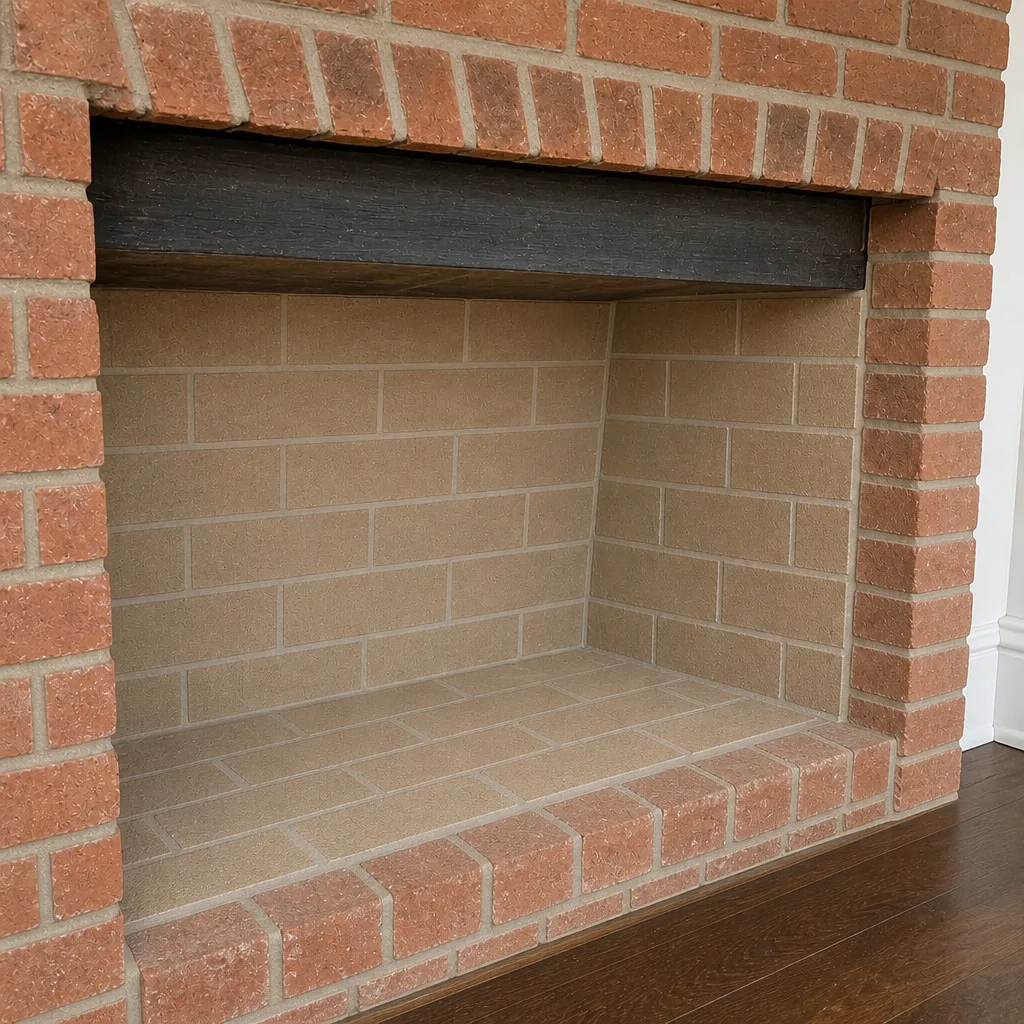
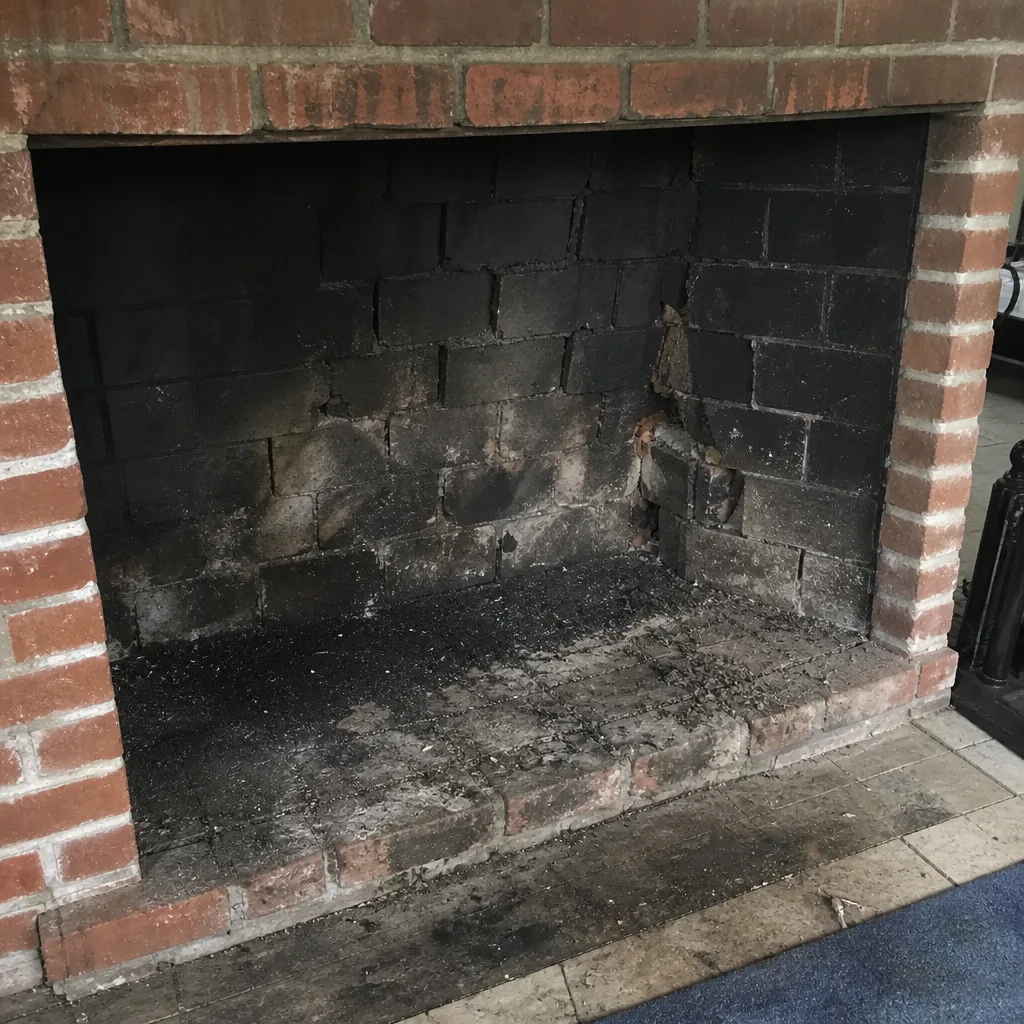
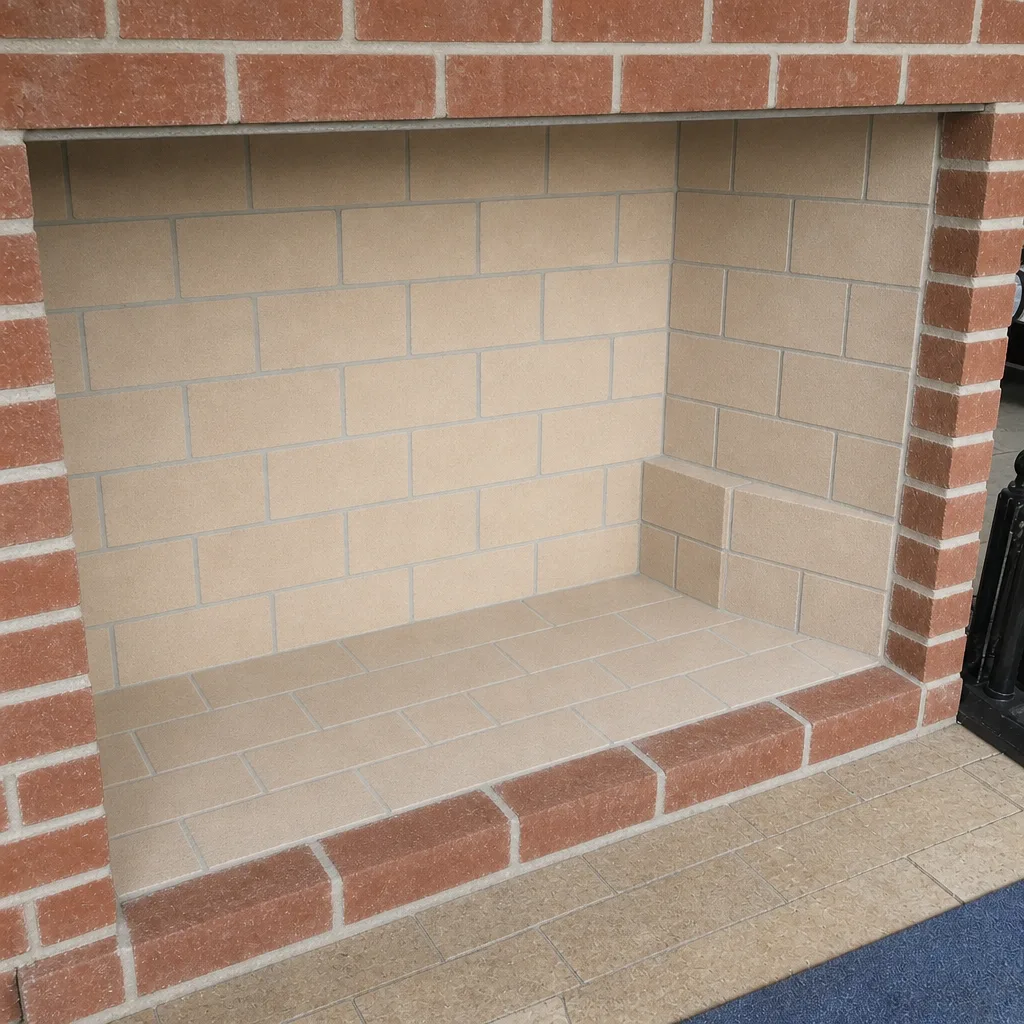
See the difference
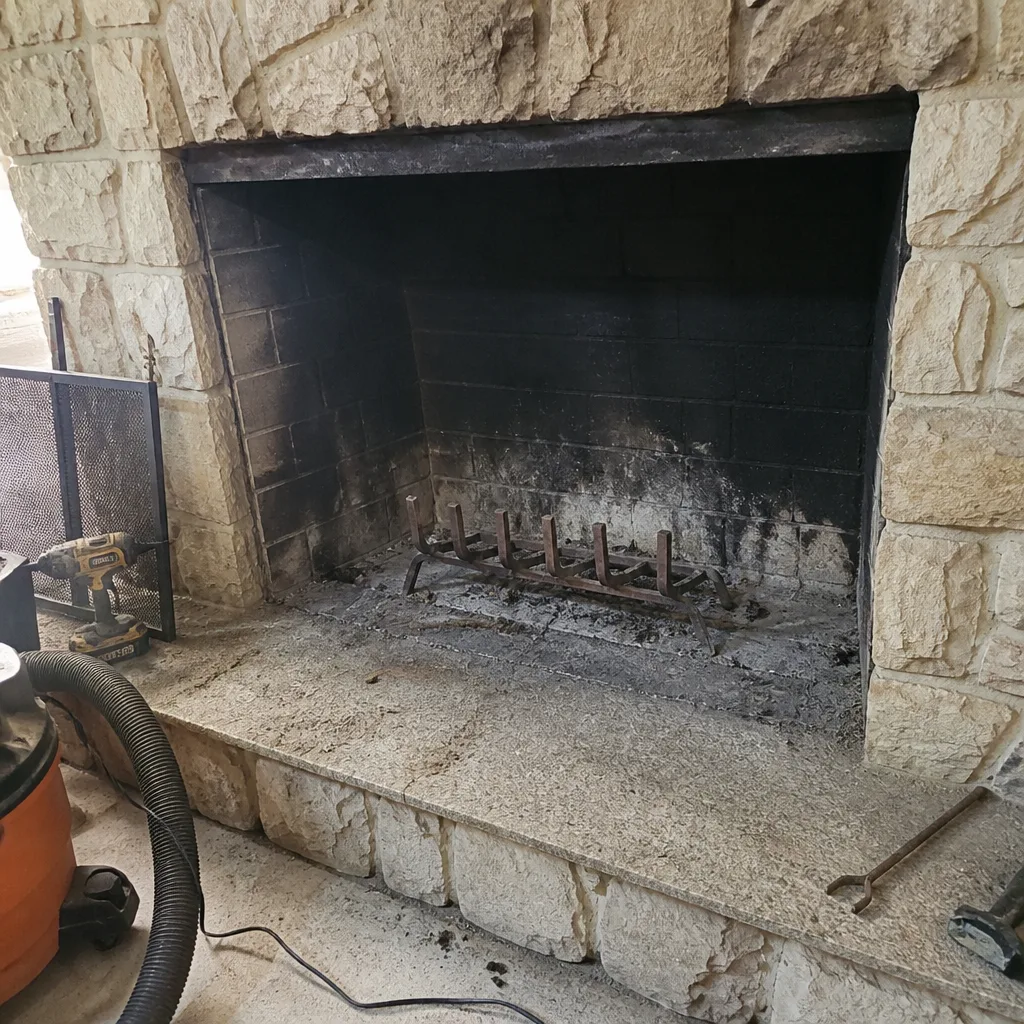 Before
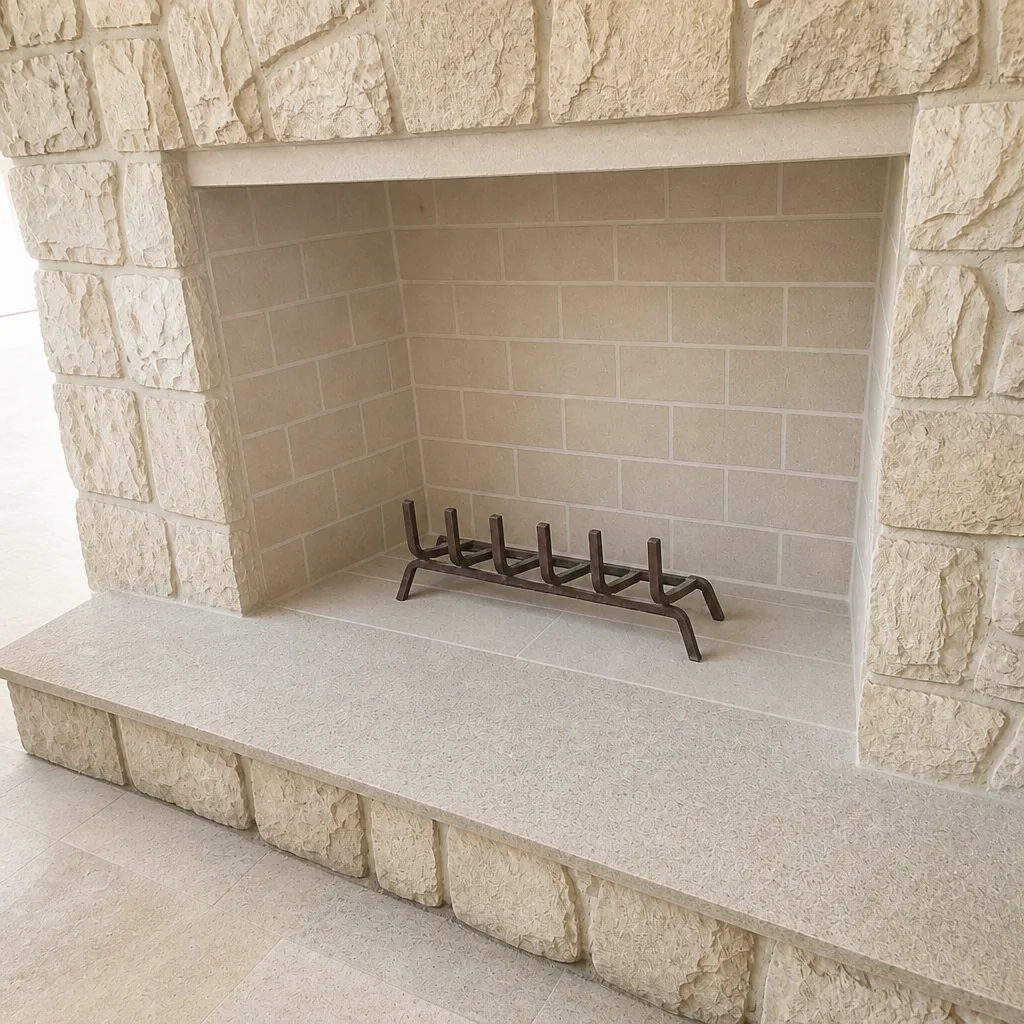 After
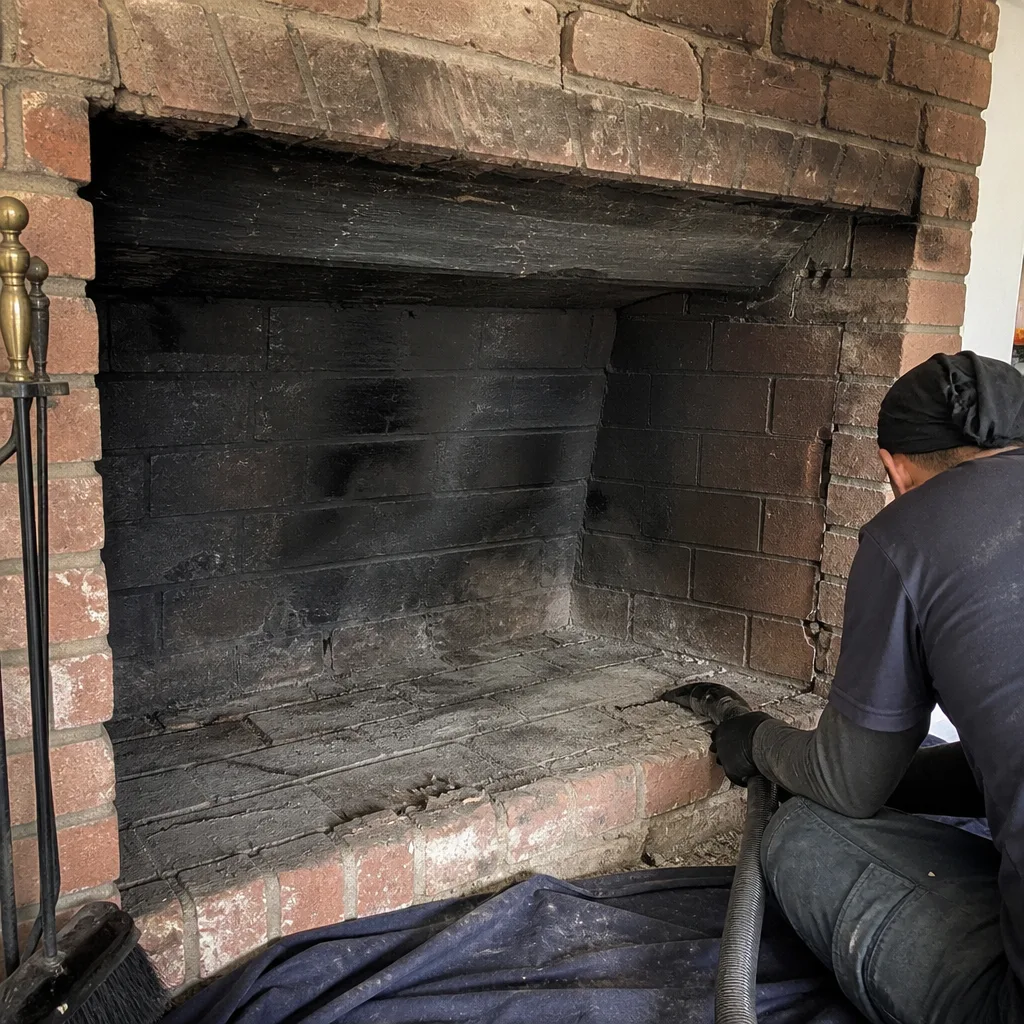 Before
 After
 Before
 After
When to Call a Professional
Call a professional if you’ve had a chimney fire, even a small one. Call if you’re selling a Hollywood home, or buying one and the seller can’t produce an inspection record. Call if you’ve noticed water stains on the ceiling near the chimney, crumbling masonry at the top, or a cap that’s missing or loose. Call if you’ve been told you need a reline and want an independent assessment of whether resurfacing would do the job. Call if you can’t remember the last time the flue was cleaned, or if the fireplace smells of creosote when the weather turns damp. And call if you’re unsure whether a repair you’re being quoted is permitted work – that question alone is worth a conversation. Chimney Sweep Hollywood offers free estimates in Hollywood – call (833) 974-6567.
Frequently Asked Questions
No. Routine chimney cleaning and inspection do not require a building permit in Hollywood, FL, because they’re maintenance and evaluation rather than construction. The permit question only arises when the work changes the physical structure of the chimney or flue system, such as a reline, a crown rebuild, or a flue tile replacement. If your sweep finds damage and recommends repair, ask them directly whether that repair requires a permit. Call (833) 974-6567 for an exact quote – estimates are free.
A Level 1 inspection is a visual check of the readily accessible parts of the chimney and connected appliance, and it’s what you get with a routine annual sweep. A Level 2 inspection goes further – it reaches areas a Level 1 can’t see, may use video scanning, and produces a written report. A Level 2 is required after a chimney fire or other damaging event, after a change in fuel or appliance, and at a real estate transfer. If you’re selling a home with a fireplace, the Level 2 is the one you need.
It can. Unpermitted alterations to the flue system invite questions from an adjuster if a covered loss later traces back to that work, and the absence of an inspection record makes the conversation harder. We can’t tell you what your specific policy covers, but we can tell you that a passed inspection and a written report are the documents that close the gap. If prior work was done without a permit, a current Level 2 inspection with written findings establishes the present condition. Call (833) 974-6567 to book an inspection.
Often the flue can be resurfaced rather than fully relined. HeatShield ceramic resurfacing restores a damaged flue from the inside and can save you the cost of a full liner replacement in cases where the damage is to the inner surface rather than the flue’s structure. A full reline with a DuraFlex flexible system is the right call when the flue configuration or the damage calls for a new liner. We’ll tell you honestly which one you actually need, and we’ll show you the camera evidence behind the recommendation rather than asking you to take it on trust. Call (833) 974-6567 for a free estimate – the written estimate sets the final price.
Creosote builds up in the flue and becomes a fuel source for a chimney fire, and an uncapped or damaged chimney lets water into the masonry, which is slow to dry in our humid climate. Neither problem announces itself. Both are far cheaper to catch at an annual inspection than to repair after the fact. The other consequence is documentation: a homeowner with no inspection history has nothing to show an insurer or a buyer. Call (833) 974-6567 for an exact quote on a sweep and inspection – estimates are free.
Once a year is the standard recommendation, with sweeping as needed based on what the inspection finds rather than on a fixed schedule. A Hollywood homeowner burning wood regularly can accumulate creosote faster than someone who lights a fire a few times a season, and the frequency depends on how much you burn, what you burn, and how the chimney is vented. An annual inspection answers the question for your specific chimney. Call (833) 974-6567 to book one. We answer 24/7, with fast dispatch from 7am to 7pm, Sunday through Friday.
The Bottom Line
Cleaning your chimney is a service. Repairing it is construction. That’s the line worth remembering, because it dictates when a permit applies, when an inspection is required, and what documentation you need to keep. Routine sweeping and inspection in Hollywood don’t need a permit; relining, crown rebuilding, and structural repair generally do, and the work has to meet the Florida Building Code alongside NFPA 211. A Level 2 inspection with a written report is required at real estate transfer and after a chimney fire. Unpermitted work can follow a house into an insurance claim and a home sale. The way to stay ahead of all of it is the annual inspection – the cheapest form of compliance there is. Sweep. Inspect. Repair. All three. One company.
If you want a straight answer on what your chimney needs and whether a permit applies, start with a Chimney Sweep Hollywood inspection. We document in writing, we show the camera evidence, and we’ll tell you plainly when work can wait. When repair is the right call, we handle the chimney repair in-house alongside the chimney sweep, so nothing gets handed off.
Call (833) 974-6567 for a free estimate on chimney work in Hollywood. We answer 24/7. Fast dispatch from 7am to 7pm, Sunday through Friday.
Written by the team at Chimney Sweep Hollywood.