
Last updated November 15, 2026
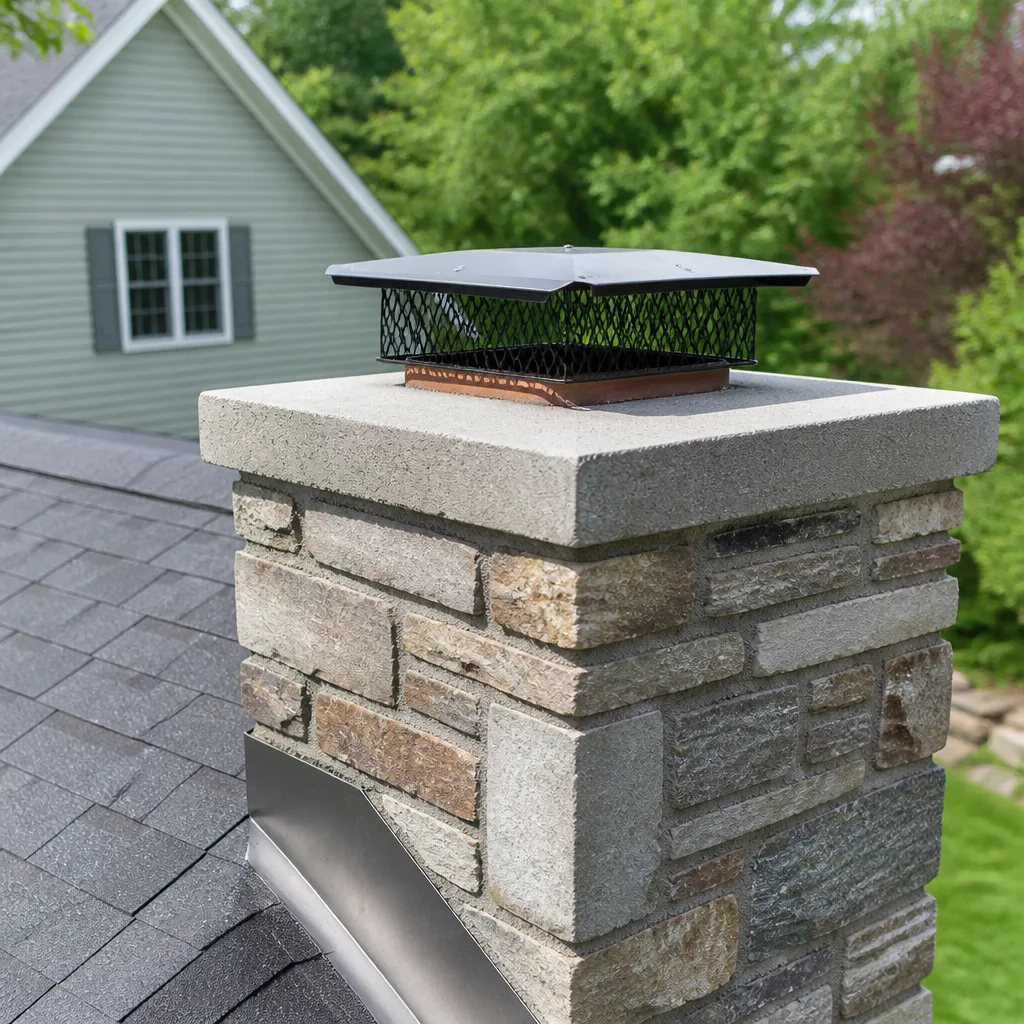 Sweep & inspection
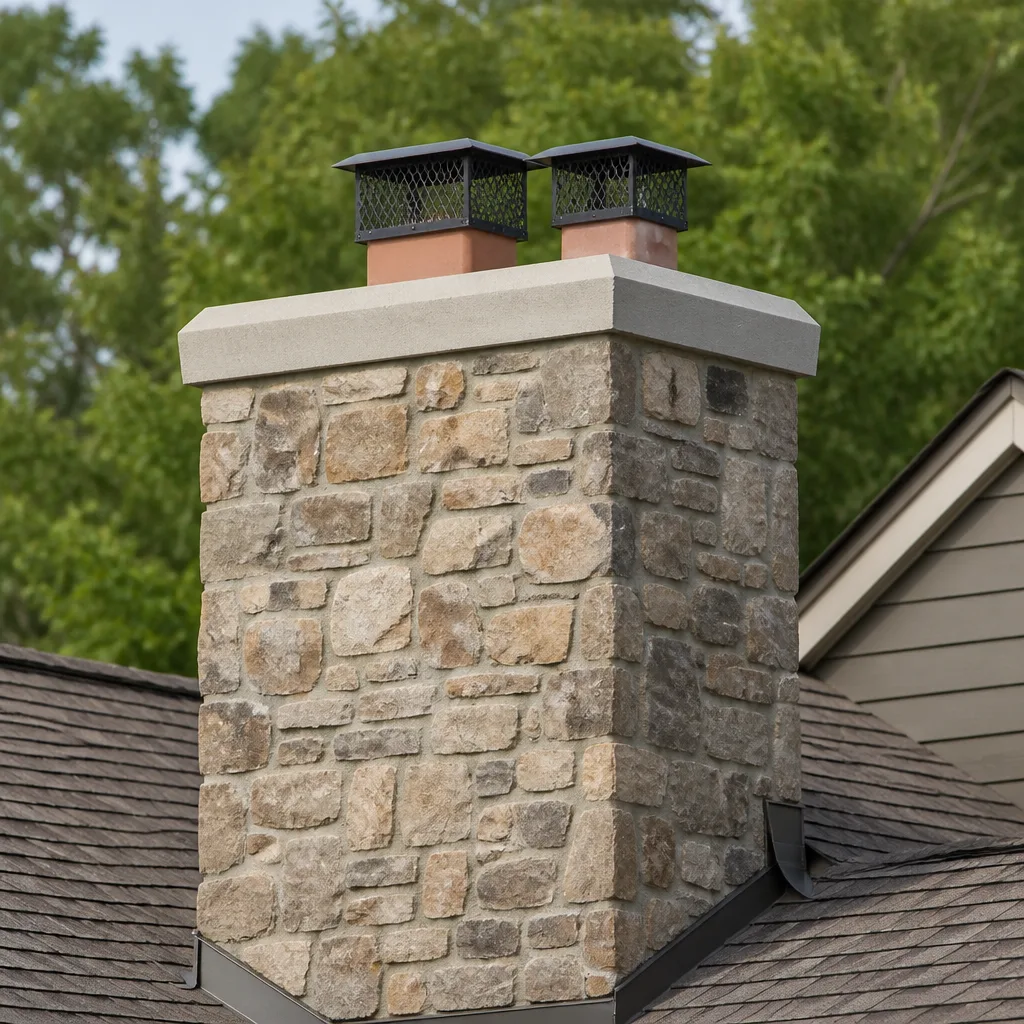 Caps & crowns
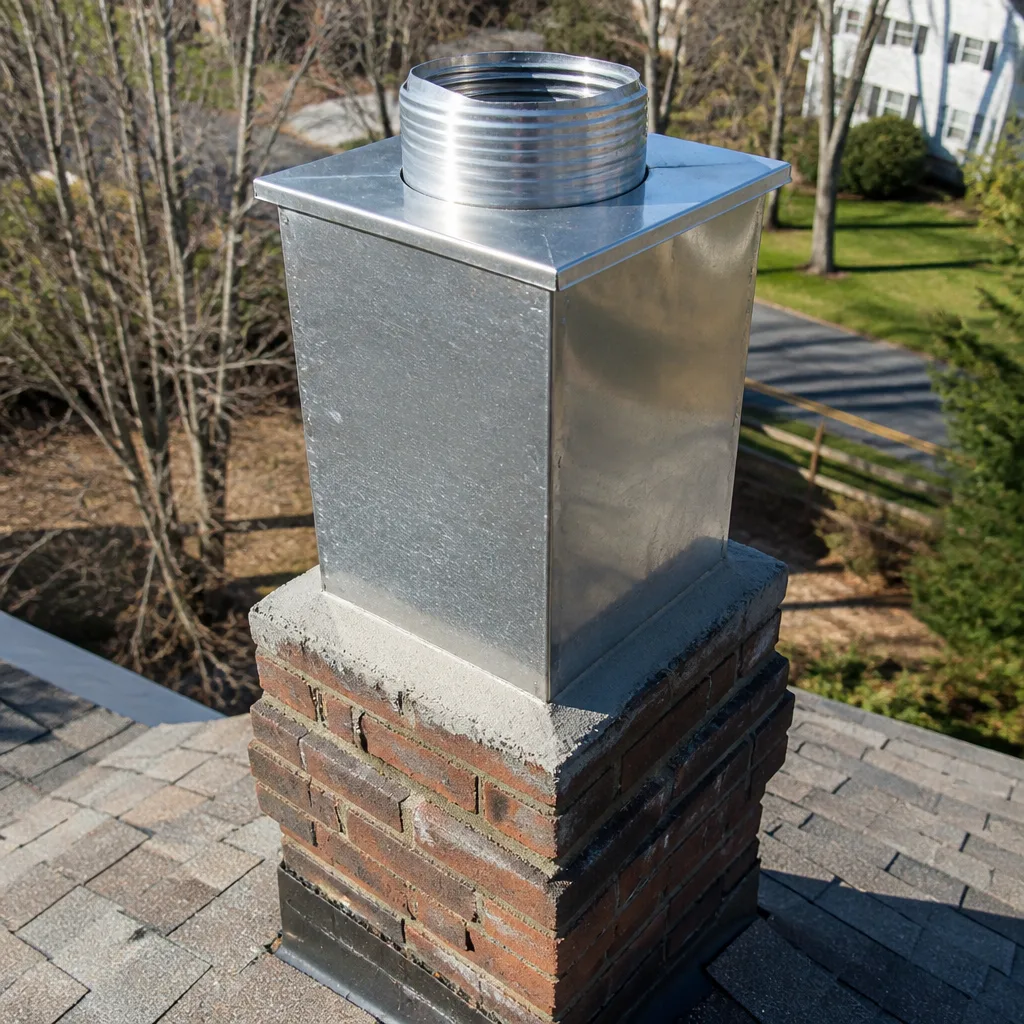 Flue relining
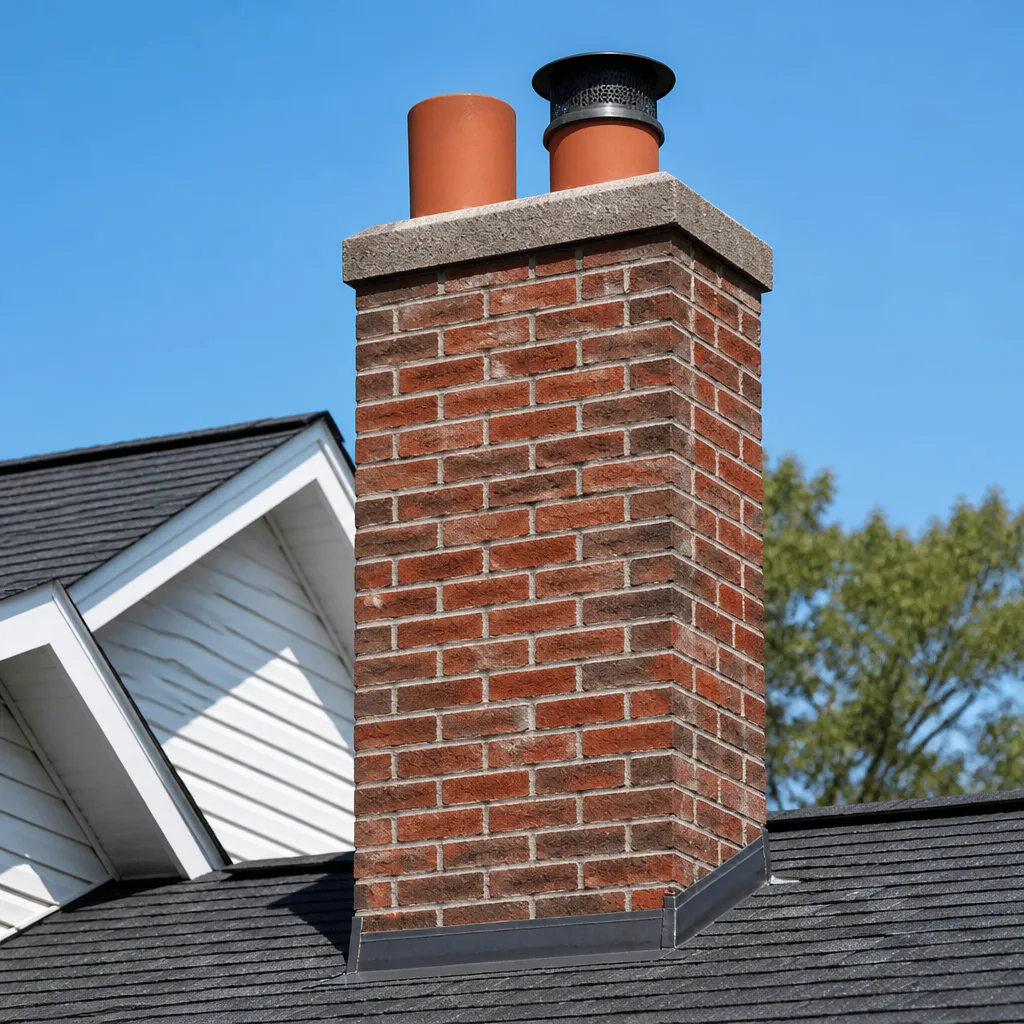 Masonry repair
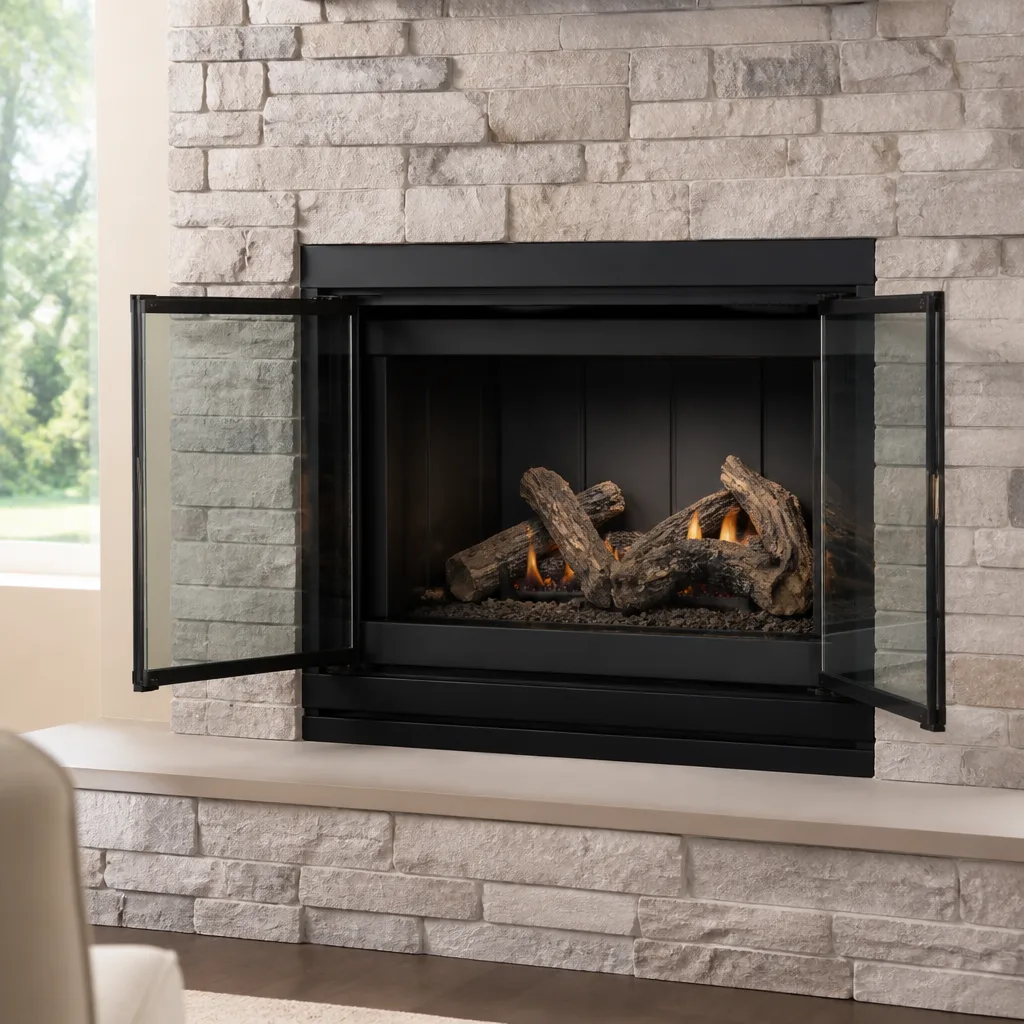 Gas fireplace service
Level 1 sweep and inspection to the NFPA 211 annual standard - flue, crown, cap, and flashing checked and photographed
Chimney sweep logs do not sweep chimneys. They loosen some creosote - which then falls where a brush and vacuum still have to collect it.
Chimney Sweep Maintenance Schedule: What to Do and When
The standard advice – sweep once a year before winter – was written for homeowners in Connecticut burning four cords of wood. Hollywood homeowners who light their fireplace ten times a season have a different enemy. It’s not heavy creosote buildup; it’s moisture intrusion and animal nesting during the ten months the flue sits idle. Tropical storm season, year-round humidity, and infrequent fireplace use create a maintenance calendar that looks nothing like what national chimney associations publish for four-season climates. This guide lays out a month-by-month schedule built for Hollywood, explains when creosote actually matters versus when moisture and debris top the risk list, and shows you which tasks you can handle yourself versus which require a professional inspection.
Quick Answer
Sweep and inspect your chimney once every 12 months in Hollywood, ideally in early autumn before burning season begins. If you burn fewer than 15 fires per season, an annual Level 1 inspection is usually enough – creosote stays minimal, but moisture and animal intrusion become the primary concerns. Gas fireplace chimneys need inspection every 12 months as well, though they don’t accumulate creosote the way wood-burning flues do. The best window for service is September through October, after hurricane season peaks and before you start using the fireplace.
Styles & brands we work with
- Sweep & inspection
- Caps & crowns
- Flue relining
- Masonry repair
- Gas fireplace service
Table of Contents
- Why the Standard Annual Schedule Doesn’t Fit Hollywood
- Month-by-Month Chimney Maintenance Calendar
- Creosote vs. Moisture: Which Risk Actually Matters for Your Fireplace
- Post-Storm Inspection: What High Winds and Driving Rain Do to Your Chimney
- Gas Fireplace Maintenance: A Different Schedule Than Wood-Burning
- The One Task You Can Do Yourself vs. What Requires a Level 1 Inspection
- Understanding Chimney Inspection Levels: What Each One Covers
- Keeping Records: Why Documentation Matters in Hollywood
Why the Standard Annual Schedule Doesn’t Fit Hollywood
Chimney maintenance guidance published by national associations assumes a climate where the fireplace runs from October through March, creosote accumulates steadily, and the main job is clearing it out before the next heating season. Hollywood doesn’t work that way. Winters are mild. Many homes light a fire a dozen times a year, mostly on the handful of cool evenings that show up between December and February. The flue sits idle for the other ten months.
When a chimney isn’t used, creosote isn’t the problem. Moisture is. So is whatever decides to move in – birds, squirrels, wasps, and the debris they bring with them. Humidity in South Florida hangs high even in the dry months, and a chimney without a proper cap becomes a condensation trap. Rain blows in through the open top, mortar joints absorb water, and slowly the crown cracks and the flue lining weakens. None of that shows up in the national guidance, because the national guidance was written for a place where the flue stays hot and dry for half the year.
The other factor is tropical storm season, which runs from June through November. High winds strip caps off, drive rain sideways into flues, and stress mortar joints that were already showing their age. The month you need to inspect your chimney is not October, as the standard advice suggests – it’s the weeks after the storm season winds down and before you burn your first fire. For Hollywood homeowners, that usually means September or early October.
None of this means the annual sweep is wrong. It means the reasoning behind it changes. You still want a professional to look at your chimney every year, but the inspection is looking for different things: water damage, loose mortar, animal nests, cracked crowns, and failed caps. Creosote matters if you burn heavily – but for most Hollywood homeowners, the flue doesn’t see enough use to build up a thick glaze layer.
Month-by-Month Chimney Maintenance Calendar
Here’s what a Hollywood-specific chimney maintenance year actually looks like. Some months need action, others are just watch-and-wait. The goal is to catch problems before they compound, not to spend every weekend on a ladder.
- January and February – Peak burning season. Use your fireplace as you like, but pay attention to any change in how it draws. Weak draft, smoky backdrafts, or difficulty getting a fire started are early signs of an obstruction or a failing cap. Schedule a mid-season check if anything feels off.
- March – Last fires of the season. Once you stop burning, do a brief visual: look up the flue with a flashlight for any obvious soot buildup or debris. If you burned more than 15 fires this season, book a sweep now before humidity season builds.
- April and May – Pre-hurricane inspection window. This is the time to have a professional verify that your cap is secure, your crown is intact, and your mortar joints are sound. Any weakness that’s caught now is far cheaper to fix than after a storm has driven water into it.
- June through November – Hurricane season. Check your chimney visually after any significant storm. Look for missing cap pieces, visible cracks in the crown, and water stains on the ceiling or firebox. If anything looks wrong, call for a professional inspection rather than climbing up yourself.
- September and October – Pre-season sweep and inspection. This is the recommended window for your annual professional service. It’s after the peak of hurricane season and before you start burning. If repairs are needed, you still have time to complete them before winter.
- November – Final pre-season check. Verify that your damper operates correctly, your firebox is clear, and the flue is unobstructed. Buy firewood now if you use it – it needs time to season before burning.
- December – Start burning. Watch the first few fires carefully. If draft is weak or smoke backs up, stop and call for an inspection. Don’t ignore an early warning sign.
That calendar assumes a wood-burning fireplace in regular but not heavy use. If you burn every week during the season, or if you use a wood stove as a primary heat source, you need sweeps more often – potentially every 50 to 75 fires, depending on the wood you’re burning. The calendar also assumes your chimney is in decent shape to start. If you’ve never had it inspected, start with a chimney sweep and full Level 1 inspection before trying to follow any schedule.
Creosote vs. Moisture: Which Risk Actually Matters for Your Fireplace
Here’s the honest answer most general maintenance guides gloss over: for many Hollywood homeowners, moisture is the bigger enemy, not creosote.
Creosote is a byproduct of burning wood. It forms when smoke cools before it exits the flue, condensing on the chimney walls as a tar-like substance. The more you burn, the thicker it gets. It’s flammable, and at high concentrations it’s the fuel source for chimney fires. If you burn four cords a year, creosote is a serious concern that needs annual attention.
If you burn ten or twenty fires a year, creosote accumulation stays modest. The flue gets hot when you burn, cools down when you don’t, and the modest soot layer that forms isn’t enough to create a serious fire hazard on its own. That doesn’t mean it’s safe to ignore – any creosote is flammable, and a neglected flue over several years can still build up. But the risk profile is different from a heavy burner’s chimney.
What does build up in an idle Hollywood chimney?
- Moisture – South Florida humidity plus rain blowing into an uncapped or poorly capped flue adds up. Water saturates the mortar and lining over time, weakening the structure from the inside.
- Animal nests – Birds, squirrels, and wasps find an open flue irresistible. A nest doesn’t just block the flue; it’s a fire hazard the first time you light a fire.
- Debris – Leaves, twigs, and whatever else the wind delivers. Even a small amount of debris can impede draft.
- Deteriorated mortar and lining – Slow moisture damage that shows up years later as cracks and gaps that let exhaust gases into the house.
The right cap closes off most of these risks. A properly fitted Gelco or Famco cap keeps rain, animals, and most debris out while still allowing exhaust gases to escape. If your chimney doesn’t have a cap, adding one is often the single most useful maintenance step you can take. It’s also a job that requires a professional – the fit has to account for your specific flue dimensions and venting type.
So the question isn’t “how often do I sweep?” – it’s “what am I actually worried about?” If your concern is creosote buildup from heavy burning, annual sweeps are mandatory. If your concern is moisture and debris from an idle flue, an annual inspection plus a proper cap addresses most of the risk. Both answers lead to the same recommendation: schedule an annual professional look.
Post-Storm Inspection: What High Winds and Driving Rain Do to Your Chimney
Hollywood’s storm season runs from June through November, and the tail end of a tropical system can do damage that’s not visible from the ground. High winds strip caps off, drive rain sideways into flues, and stress the mortar joints that hold your chimney crown and brickwork together. That visible damage you can spot from your yard is only part of the story – a great deal of it happens where you can’t see it.
After any significant storm, run through this checklist:
- Cap integrity – Is the cap still in place? Is it sitting level, or has it shifted? A cap that’s been knocked loose lets rain and animals straight into the flue.
- Crown condition – Look for visible cracks or missing chunks in the concrete crown at the top of the chimney. The crown is the first line of defense against water getting into the brickwork.
- Mortar joints – Missing or crumbling mortar lets water into the chimney structure. From the ground, look for gaps between the bricks – especially near the top.
- Interior water stains – Check the ceiling near the chimney, the firebox, and the damper area for signs of water intrusion. Dark stains or damp patches suggest water is getting in.
- Flue obstruction – Wind can blow debris into an uncapped flue, and animals displaced by the storm may find their way in. If you notice draft problems after the storm, this is a strong suspicion.
- Firebox cracks – Visible cracks in the firebox brick or mortar are a sign that the storm (or accumulated moisture) has compromised the firebox. Don’t light a fire until it’s inspected.
If anything on that list looks wrong, don’t try to fix it yourself. A chimney repair call is the safe route. The damage that looks cosmetic from the ground may be structural once you’re up there, and a professional inspection with a camera can show you exactly what’s wrong before anyone recommends repair.
In our experience, most post-storm damage in Hollywood homes is either a missing or displaced cap, or hairline cracks in the crown that let water in over the following months. Neither is catastrophic on its own. Both get expensive if ignored for two or three seasons.
Gas Fireplace Maintenance: A Different Schedule Than Wood-Burning
Gas fireplaces and inserts don’t produce creosote, so the sweep frequency is different. They still need regular maintenance, but the checklist is a different list.
Gas fireplace chimneys carry combustion byproducts – water vapor, carbon dioxide, and small amounts of other gases. If the venting is blocked, those gases back up into the house. That’s a carbon monoxide risk, which is the main reason gas fireplace venting should be checked annually by a professional. The venting system on a gas appliance also needs a visual check for debris, bird nests, and any signs of condensation damage.
Where wood-burning fireplaces need a sweep for creosote buildup, gas fireplaces need a professional inspection focused on:
- Venting clearance – Is the vent free of obstructions? Is the cap intact?
- Combustion byproducts – Are there any signs of improper venting, condensation, or corrosion?
- Pilot, ignition, and log condition – Gas logs and burners can develop issues that affect combustion efficiency.
- Seals and gaskets – On direct-vent systems, failed gaskets can allow combustion gases to escape.
The schedule for gas fireplace inspection is annual – same as wood-burning, but for different reasons. Many general maintenance guides collapse the two categories and just say “sweep once a year,” which misses the important difference: a gas fireplace doesn’t need a sweep, it needs a venting and combustion-check inspection. Those aren’t interchangeable.
If you have both a wood-burning fireplace and a gas insert – a common setup in older Hollywood homes – each needs its own annual service. When we inspect a multiflue chimney, we inspect each flue individually because the condition of each matters separately.
The One Task You Can Do Yourself vs. What Requires a Level 1 Inspection
Not every part of chimney maintenance requires a professional. There’s one task homeowners can and should handle themselves: the pre-season flue visual.
Before you light your first fire of the season, look up the flue using a flashlight and a small mirror. The mirror angles the light up the flue so you can see the walls from the firebox. You’re looking for obvious obstructions – a nest, a visible debris pile, or an obvious blockage. If you see anything that looks like it shouldn’t be there, stop and call for service rather than trying to remove it yourself. If the flue looks clear and unobstructed, you’re good to burn.
That’s the one task. Everything else belongs in the hands of a professional. Here’s what a Level 1 inspection actually covers, and why it’s not a DIY job:
- Reading the flue from bottom to top – A professional uses lighting and mirrors to inspect the entire flue, including areas above and behind the damper that aren’t visible from the firebox.
- Inspecting the firebox and damper – Cracks, warping, or misalignment in the firebox or damper can mean the system isn’t safe to use.
- Checking the smoke chamber – The smoke chamber is the transition zone between the firebox and the flue. It’s the most common place for creosote to accumulate and for structural problems to develop.
- Roof-level inspection – The inspector goes up top (or views from an appropriate vantage) to check the crown, cap, flashing, and mortar joints.
- Venting verification – On gas appliances, confirming that the venting system is unobstructed and functioning correctly.
- Documentation – A written report describing everything observed, which is useful for insurance, real estate transactions, and your own records.
The Chimney Sweep Hollywood team handles all three services – sweeping, inspection, and repair – under one roof. That means you’re not handing off between crews or making a second appointment to get a repair done. Sweep. Inspect. Repair. All three. One company.
Understanding Chimney Inspection Levels: What Each One Covers
The National Fire Protection Association (NFPA) defines three levels of chimney inspection, and knowing which one you need saves time and money. Here’s a plain-language rundown:
Level 1 is the standard annual inspection. It covers the readily accessible portions of the chimney – the firebox, damper, smoke chamber, flue, and the exterior portions visible from the roof or the ground. It’s what you need if your chimney is in regular service and nothing has changed.
Level 2 is what’s required when something has changed – a home sale, an insurance requirement, a change in fuel type, a new appliance installation, or an earthquake or storm that may have caused damage. Level 2 includes everything in Level 1 plus a video camera inspection of the flue interior. The camera gives the inspector a clear view of the entire flue lining and can catch problems – cracks, gaps, disconnected sections – that a visual inspection can’t detect.
Level 3 is the most detailed, and it’s only needed when a Level 1 or Level 2 inspection identifies a serious problem that requires opening the chimney structure. Level 3 involves removing parts of the chimney or wall to access hidden areas. It’s rare, and it’s the inspection you want to avoid needing by staying on top of annual maintenance.
For most Hollywood homeowners, the annual Level 1 inspection is the right starting point. If you’re buying or selling a home in Hollywood, or if your insurance carrier is asking for documentation, you’ll typically need a Level 2. A camera inspection and written report are included with a Level 2, which is the documentation you want in those situations.
One more consideration: HeatShield resurfacing. If your Level 2 inspection finds minor flue damage, HeatShield ceramic resurfacing can often restore the flue without a full liner replacement. It’s a middle option – more thorough than a patch, less expensive than a full reline – and it’s worth asking about if your inspection turns up damage that’s repairable but not severe. Our technicians have up to 8 years of experience and can tell you honestly whether resurfacing will work in your specific flue or whether a full liner is the better call.
Keeping Records: Why Documentation Matters in Hollywood
An annual inspection produces a written report. Keep it. That report does more than document that you had the work done – it’s a record of the chimney’s condition year by year, which matters in a few specific situations.
The first is insurance. Some carriers ask for proof of chimney maintenance, and a written inspection report is exactly the documentation they want. The second is a home sale. In Florida, buyers are cautious about chimney condition, and a documented inspection history is more reassuring than a verbal “it was swept last year.” The third is warranty or repair work. If you have a liner installed or a repair done, the inspection report from the year before gives a baseline that shows the problem wasn’t pre-existing.
The fourth reason is quieter but just as real: your own confidence. When you know the chimney was inspected in September, you can light a fire in December without wondering. That’s worth something.
When the Chimney Sweep Hollywood team inspects your chimney, the report includes what was found, what was measured, and what (if anything) needs attention. Nothing gets recommended without evidence you can see for yourself – if the walkthrough video shows a problem, you’ll see the problem. If it shows a clean, sound chimney, that’s what you’ll get back.
Keep the reports in a folder or scan them to your phone. In a few years, you’ll be glad you have a documented history going back several seasons.
Common Mistakes to Avoid
- Sweeping annually but never inspecting. A sweep clears the flue; an inspection catches structural problems. If you’re only getting the sweep, you’re missing half the picture. Both happen in one appointment when you book with us.
- Skipping the cap because the chimney “looks fine.” An uncapped flue is an open invitation for rain, birds, and debris year-round. A cap is not optional – it’s the first line of defense against moisture damage and animal intrusion. It’s one of the cheapest improvements you can make and the one most likely to prevent a repair.
- Assuming the standard pre-winter schedule applies. Hollywood doesn’t have a long winter heating season. National advice assumes constant cold-weather use; Hollywood doesn’t. After hurricane season closes and before you burn is the right window here – not “before winter” in the four-season sense.
- Guessing at creosote risk based on how often you burn. Frequency is only one factor. The type of wood you burn (wet vs. seasoned), how hot your fires run, and how often the flue stays hot matter just as much. If you’re unsure, have it inspected once and use that as a baseline.
- Ignoring the gas fireplace because “it doesn’t have creosote.” Gas fireplace venting still needs an annual check. Carbon monoxide risk from a blocked vent is real, and the schedule is the same as wood-burning even if the checklist is different.
- Trying to fix post-storm damage yourself. A missing cap, cracked crown, or loose mortar joint can seem like a weekend project. It usually isn’t – the fix requires a proper fit and materials rated for the application. Hiring a professional is safer and more durable than a DIY patch.
- Forgetting to record the inspection. The written report is only valuable if you keep it. In a home sale or insurance review, a documented history of annual inspections answers questions before anyone asks them.
See the difference
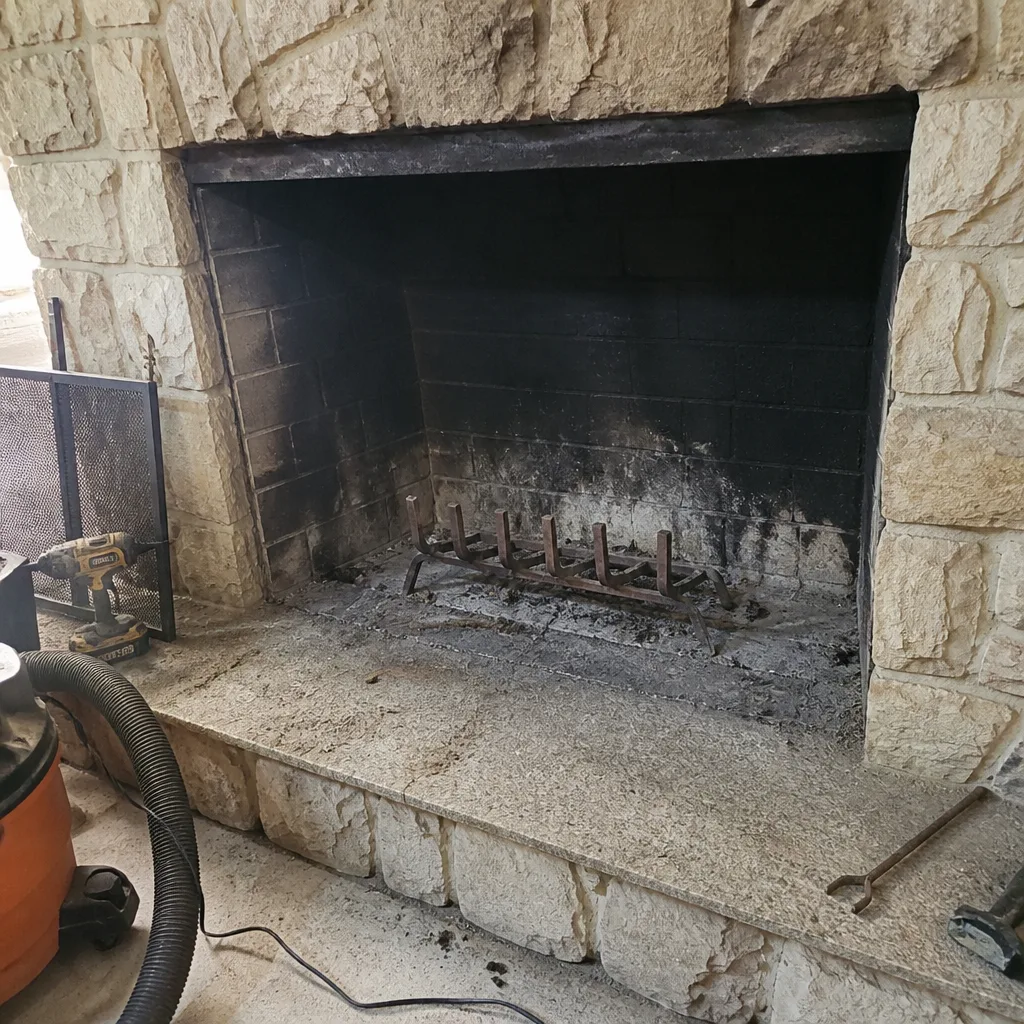 Before
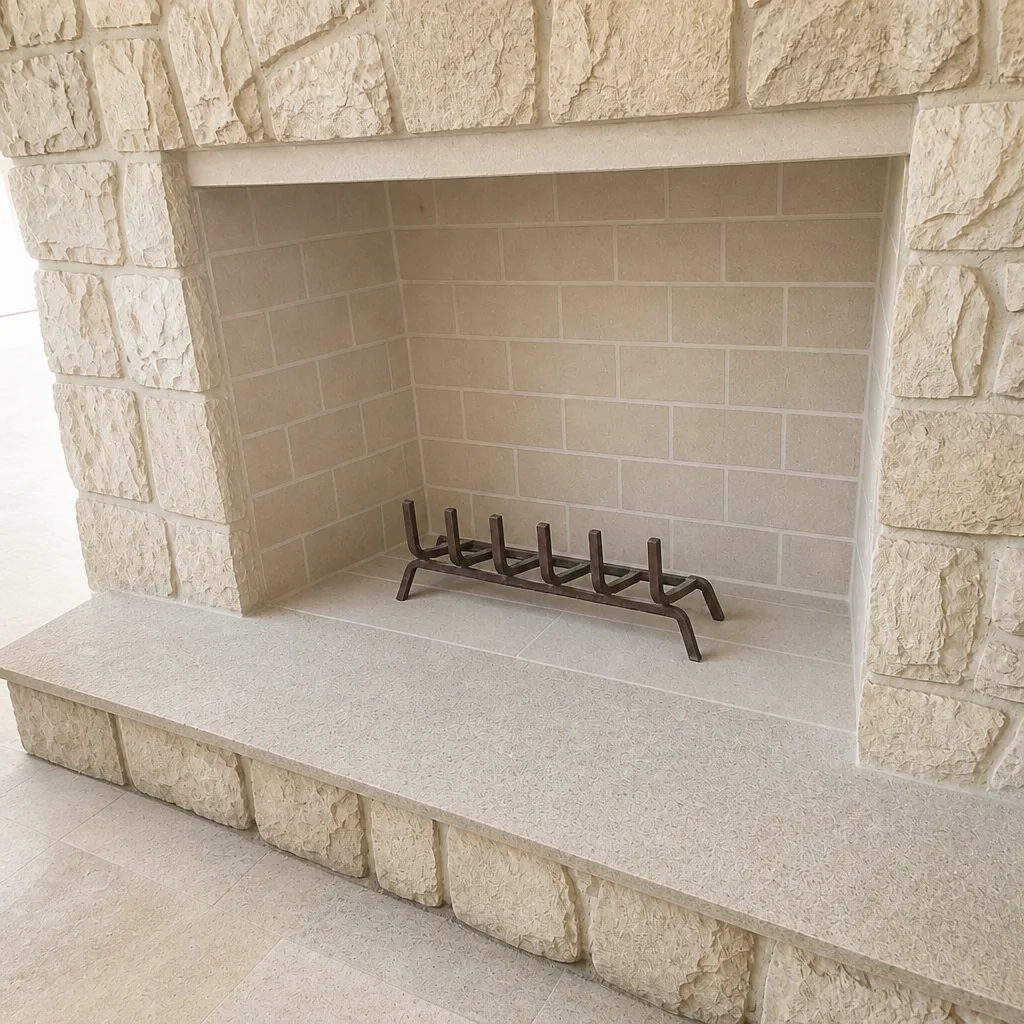 After
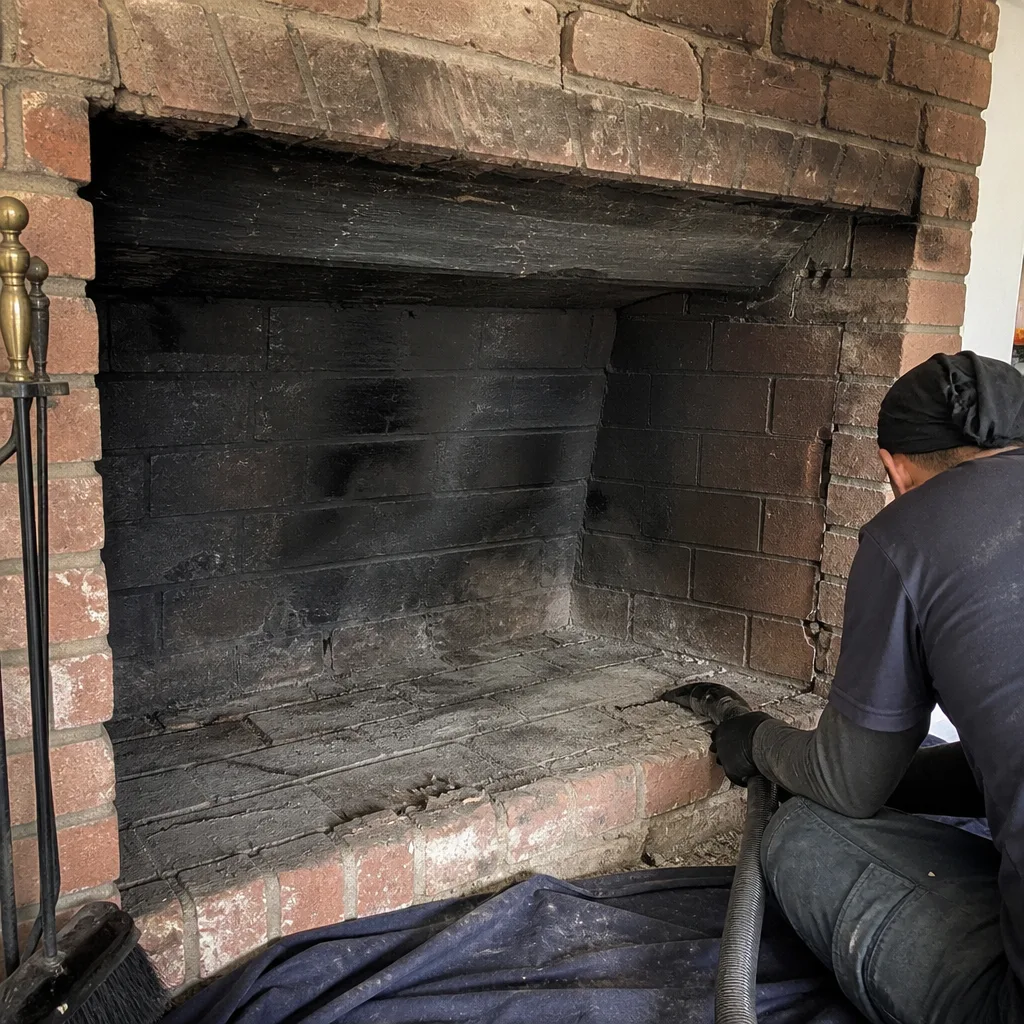 Before
 After
 Before
 After
When to Call a Professional
Call a professional if any of the following describes your situation: you haven’t had your chimney inspected in over 12 months; you’ve noticed smoke backing up into the room, or weak draft; you hear animal sounds in the flue; you see water stains on the ceiling or around the firebox; your cap is missing or damaged; your chimney has visible cracks in the crown or mortar joints; or you’ve had a chimney fire, even a small one. Also call if you’re buying or selling a home in Hollywood and need Level 2 inspection documentation, or if your insurer has requested proof of maintenance.
Chimney Sweep Hollywood offers free estimates in Hollywood. We handle sweep, inspection, and repair under one company – no referrals, no handoffs, no second appointment with a different crew. Call (833) 974-6567. We answer 24/7. Fast dispatch from 7am to 7pm, Sunday through Friday.
Frequently Asked Questions
Once every 12 months is the right baseline for most Hollywood homeowners. If you burn fewer than 15 fires per season, the annual sweep is as much about inspection as it is about clearing creosote – moisture and debris are the main concerns. If you burn heavily (weekly during the season, or use a wood stove as a primary heat source), you’ll need more frequent sweeps, typically every 50 to 75 fires. Call (833) 974-6567 for an exact quote – estimates are free.
Yes. An uncapped chimney is the most common cause of moisture damage and animal intrusion, especially in a climate where the flue sits idle for ten months a year. A proper cap keeps rain, birds, squirrels, and debris out while still letting exhaust gases escape. We stock and install Gelco and Famco caps, which are the two leading brands in moisture and animal exclusion. Call for an estimate – it’s one of the cheapest and most effective improvements you can make.
In Hollywood’s climate, skipping maintenance for two or three years usually means water damage rather than an immediate fire risk – especially if your chimney lacks a cap. You might see cracked mortar, a deteriorating crown, deteriorated flue lining, or animals taking up residence. None of those are catastrophic on their own, but they compound. By the time you notice a draft problem or a water stain, the repair is often more extensive than it would have been with annual attention. Call (833) 974-6567 to get a professional opinion before problems get bigger.
You need a different checklist, but the frequency is the same – annual. Gas fireplaces don’t produce creosote, so they don’t need a sweep. They do need an annual inspection of the venting, combustion chamber, and seals to guard against carbon monoxide risk. If you have both a wood-burning fireplace and a gas insert, each needs its own annual service. Call for an inspection quote – the estimate is free.
September and October are the ideal window – after hurricane season peaks and before you start burning. April and May are the right time for a pre-hurricane inspection (checking caps, crowns, and mortar joints before storms arrive). If something comes up mid-season, don’t wait for the “right” time; get it inspected as soon as you notice a problem. Call (833) 974-6567 to schedule.
A Level 1 inspection is the standard annual check – it covers everything readily accessible, from the firebox and damper to the flue and the roof-level components. A Level 2 adds a video camera inspection of the entire flue interior, which catches lining damage that a visual check can miss. Level 2 is what you need when buying or selling a home or when an insurer requests documentation. Call us to talk through which level fits your situation – the estimate is free.
The Bottom Line
Hollywood’s climate reshapes the annual chimney schedule in ways the national guidance doesn’t account for. Your annual sweep and Level 1 inspection should happen in September or October, not “before winter.” Your pre-hurricane check should happen in April or May, not in the fall. If you burn heavily, creosote is your concern; if you burn lightly, moisture and debris are. Either way, a proper cap is the single most useful maintenance investment you can make, and a written inspection report is the documentation you’ll want for insurance, home sales, and your own records. The one thing you can do yourself is a pre-season flue visual. Everything else – sweep, inspection, and repair – belongs with a professional who can see what you can’t and tell you honestly what needs attention and what can wait.
Chimney Sweep Hollywood handles all three services under one company, with the full sweep-inspect-repair cycle completed by the same team. We work with HeatShield, Gelco, Famco, Olympia Chimney, and other recognized professional product lines because the materials matter as much as the labor. Call (833) 974-6567 for a free estimate. We answer 24/7. Fast dispatch from 7am to 7pm, Sunday through Friday.
Written by the team at Chimney Sweep Hollywood.