
Last updated November 15, 2026
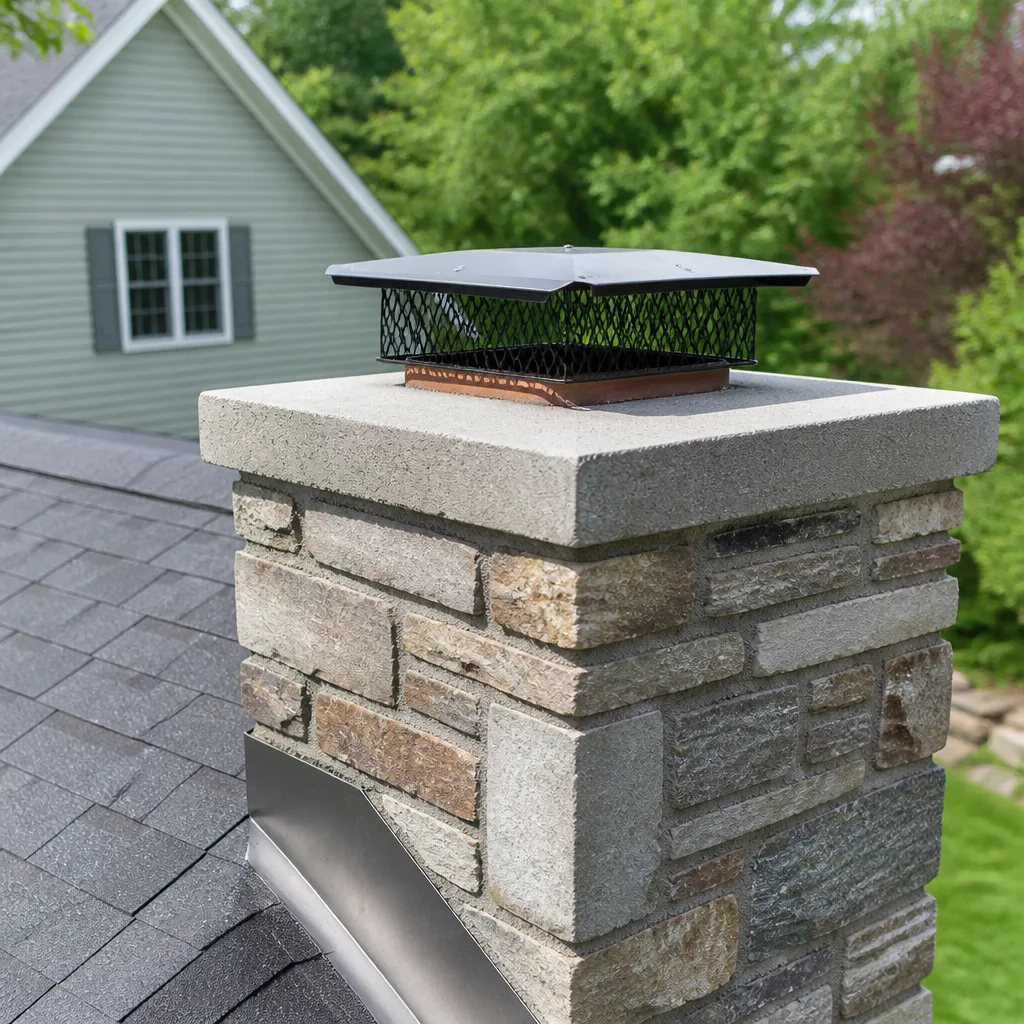 Sweep & inspection
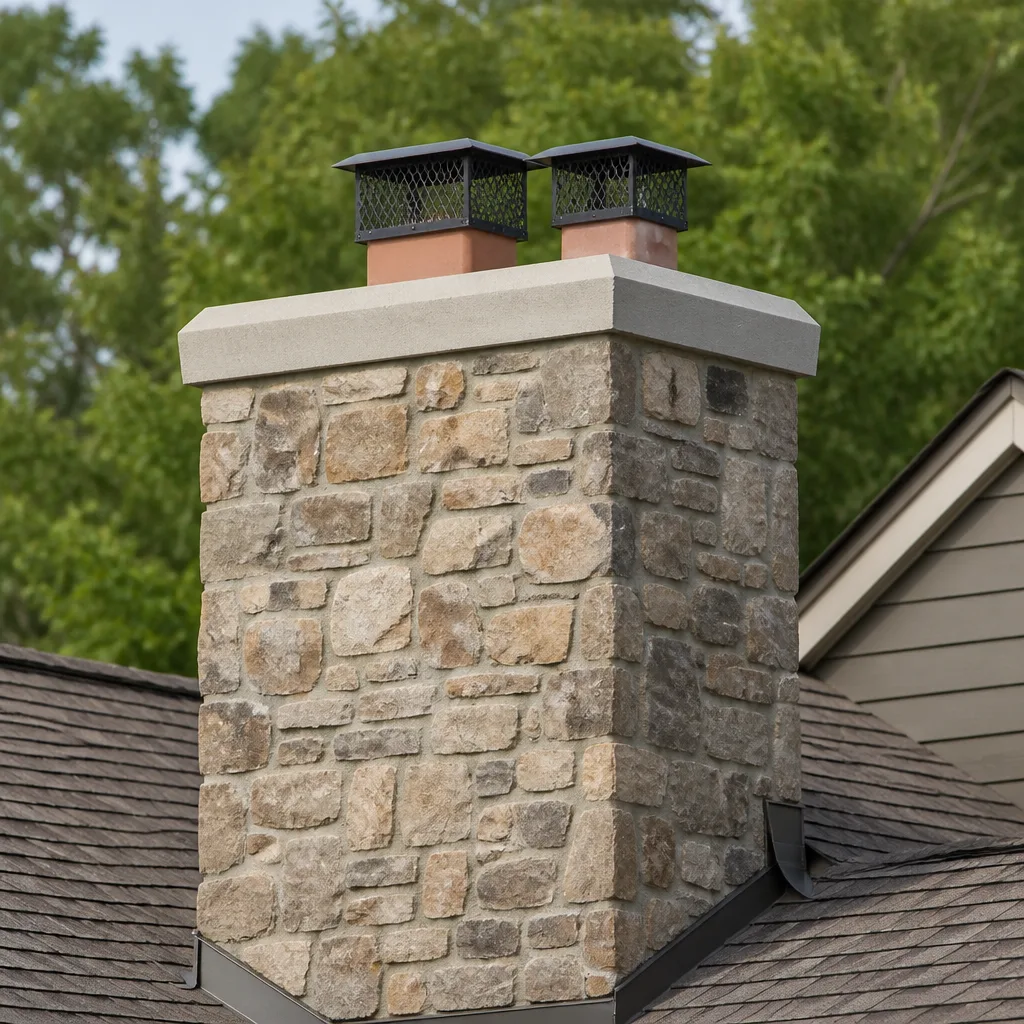 Caps & crowns
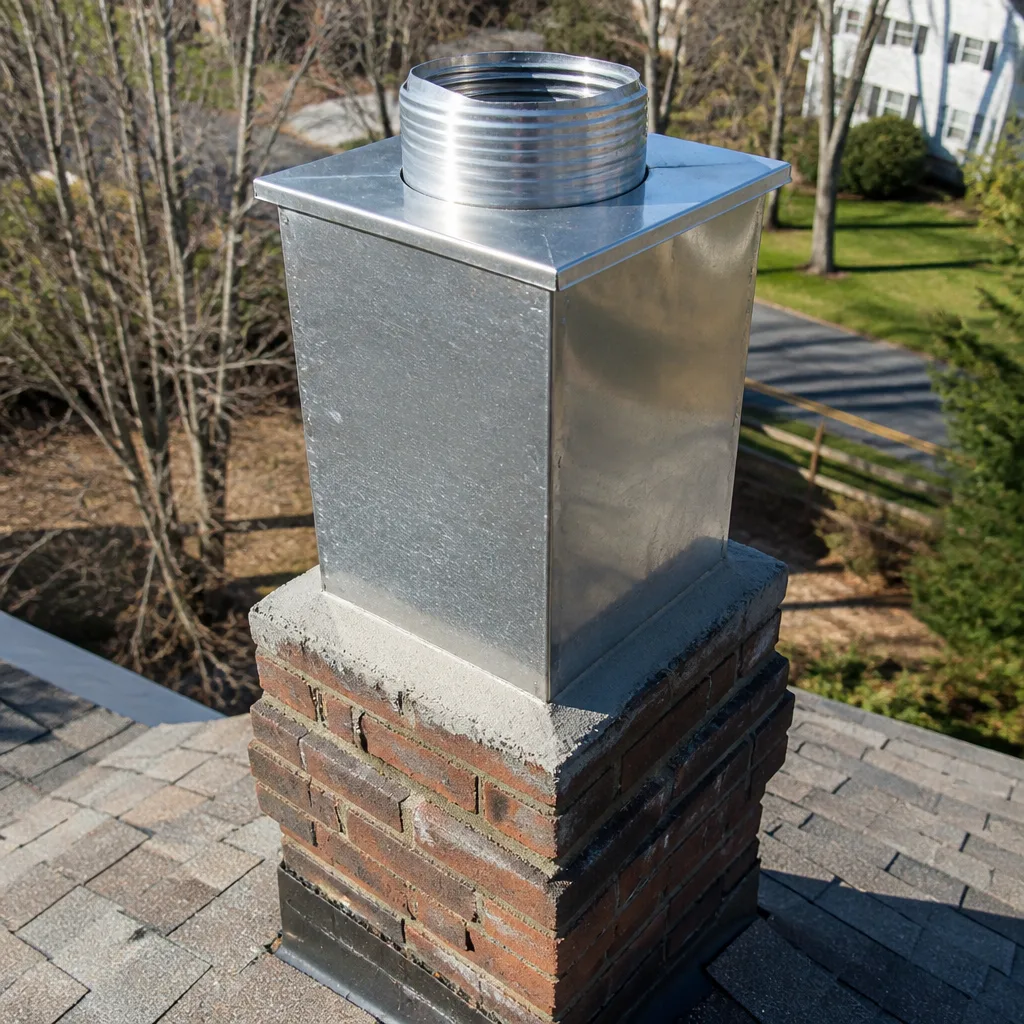 Flue relining
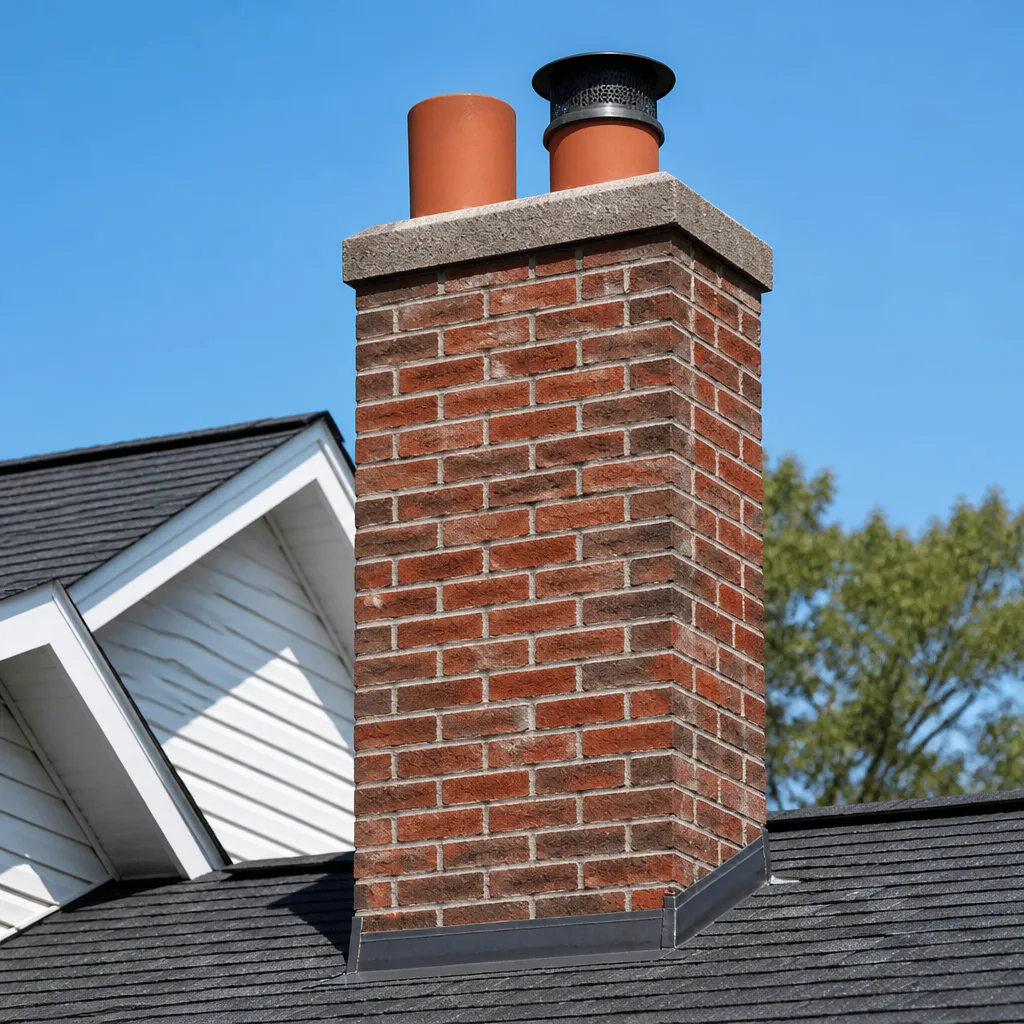 Masonry repair
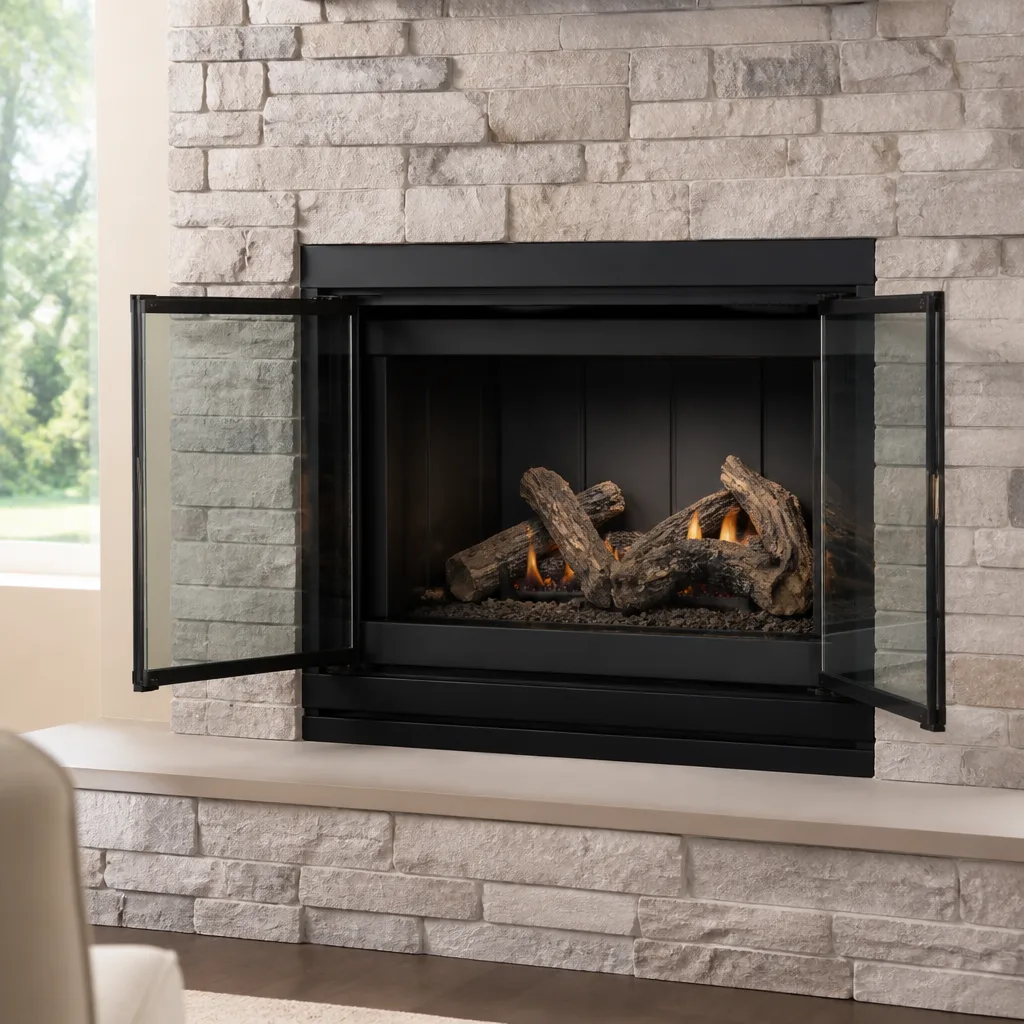 Gas fireplace service
Level 1 sweep and inspection to the NFPA 211 annual standard - flue, crown, cap, and flashing checked and photographed
Chimney sweep logs do not sweep chimneys. They loosen some creosote - which then falls where a brush and vacuum still have to collect it.
The Complete Guide to Chimney Cleaning in Hollywood
Most chimney-cleaning advice you’ll find online was written for a house in Vermont or Minnesota – a home that burns three cords of wood a winter and worries about a quarter-inch of glazed creosote. Hollywood doesn’t work that way. Fires here are occasional, often decorative, sometimes a gas insert that hasn’t been touched since a furniture rearrangement. And that lower fire count has quietly reshaped what actually threatens a South Florida chimney: not heavy soot, but moisture, salt-laden air, nesting animals, and the slow crumbling of mortar that happens whether you burn or not. This guide walks through what chimney cleaning really involves in Hollywood, how a thorough sweep-inspect cycle differs from a quick brushing, and how to read the report you get afterward. You’ll learn what to check, what to skip, and when the chimney can safely wait.
Quick Answer
Chimney cleaning in Hollywood means sweeping the flue, inspecting the full venting system for deterioration and blockages, and documenting the results in writing – not just removing soot. Because coastal humidity and salt air wear down mortar and liners regardless of fire frequency, low-use chimneys here often need inspection more than they need aggressive creosote removal. A proper service ends with a written report you can hand to an insurer or a buyer.
Styles & brands we work with
- Sweep & inspection
- Caps & crowns
- Flue relining
- Masonry repair
- Gas fireplace service
Table of Contents
- Why Chimney Cleaning in Hollywood Isn’t Like the National Guides
- What Actually Builds Up in a Low-Use Hollywood Chimney
- The Full Sweep-Inspect Cycle, Step by Step
- How to Read Your Post-Cleaning Report
- Chimney Specialist vs. Handyman vs. HVAC Company
- Caps, Covers, and the Moisture Problem
- How Often Should You Schedule Cleaning in Hollywood?
- What Chimney Cleaning Costs in Hollywood
Why Chimney Cleaning in Hollywood Isn’t Like the National Guides
Pick up any cold-climate chimney guide and you’ll find the same dominant theme: creosote. The logic is sound for a house burning constantly – fire after fire layers combustible deposits on the flue walls, and at a certain thickness that glaze becomes fuel. But a Hollywood home usually burns a small fraction of that load. Fireplaces here sit idle through long humid stretches, then get used for a few cool evenings and a holiday gathering. The creosote story doesn’t map neatly.
What does map is the building itself. Hollywood sits in a humid, salt-influenced environment, and that changes the wear pattern in ways national guides barely mention. Moisture is the persistent force. Masonry is porous; it pulls in humidity from the air and holds it. Salt carried in on the breeze settles on caps, crowns, and exposed brick and works its way into mortar joints. Over time that combination softens mortar, spalls brick faces, and stresses the liner from the outside in.
The result is a chimney that can look structurally worn while barely having been used. In our experience across Hollywood, the worst-looking flues we inspect often belong to homeowners who lit a fire a handful of times last winter. The damage isn’t from combustion. It’s environmental, and it happens year-round.
That gap – national advice assuming heavy fire use while local conditions create a different set of problems – leaves residents either over-serviced (sold aggressive cleanings they don’t need) or dangerously under-informed (ignoring a crumbling crown and deteriorating mortar because “we hardly ever burn”). A chimney sweep in Hollywood should be assessing both sides: the fire side and the weather side.
What Actually Builds Up in a Low-Use Hollywood Chimney
In a low-use chimney, the primary hazard usually isn’t creosote. It’s what the flue collects while you’re not burning. Here’s what we find most often in Hollywood homes.
- Animal nesting and intrusion. An open flue is a sheltered, dry cavity in a warm climate – attractive to birds, squirrels, and other animals looking for a place to nest. Nests block airflow and, once abandoned, become debris that can ignite or fall into the firebox.
- Leaves, twigs, and windblown debris. Florida storms push material onto roofs and into open flues. A cap prevents most of this; no cap means ongoing accumulation.
- Moisture damage. Humidity enters through an uncapped flue and settles on interior masonry. Repeated wetting and drying weakens mortar and accelerates liner wear far more than occasional fire use.
- Mortar and spalling debris. As joints degrade, loose mortar and brick flakes collect at the smoke shelf or damper area.
- Soot and light creosote. Still present, just in modest amounts. Worth removing, but rarely the whole story.
That last point matters for how you spend your money. A company that only talks about creosote is only addressing one hazard. In Hollywood, we treat debris removal, animal exclusion, and moisture protection as the primary job – and they’re what a thorough cleaning and inspection should cover. A chimney repair scope is often triggered not by fire damage but by a failed cap or a cracked crown letting water in.
The Full Sweep-Inspect Cycle, Step by Step
A real cleaning is a sequence, not a single pass with a brush. Here’s how a full sweep-and-inspect cycle runs, and why each step matters in a Hollywood home.
- Protect the living space. Drop cloths and a containment setup go down before any tool enters the firebox. Settled soot and debris get vacuumed with a HEPA system as we work, not afterward.
- Check the firebox and damper. We open and operate the damper, look for cracks in the firebox panels, and confirm the smoke shelf isn’t packed with debris.
- Sweep the flue. The right brush follows the flue’s actual shape and size. We work from the access point that fits the job – often from the roof, sometimes from the firebox – pulling soot and deposits down for removal.
- Inspect the flue interior. With the flue clean, we run a camera through it to document liner condition, joint integrity, and any cracks or gaps that soot was hiding.
- Check the exterior at the roofline. Cap condition, crown cracks, flashing, and exposed mortar joints all get examined. This is where Hollywood’s humidity and salt exposure usually show first.
- Document everything in writing. Findings are recorded with photos so you can see what we saw. That record is what makes the service verifiable.
The access point is a key differentiator. A flexible liner system like DuraFlex is designed to navigate offset or irregular flues that rigid equipment can’t reach – useful both for cleaning access and for relining older Hollywood chimneys with awkward geometry. A company that only carries rigid tooling will sometimes tell you the flue can’t be properly serviced. That’s a limitation of their equipment, not necessarily of your chimney.
How to Read Your Post-Cleaning Report
The report is where a completed service separates itself from a superficial brushing. A brush-and-go visit leaves you with a bill. A proper inspection leaves you with a document. Here’s what a useful report should contain, and how to tell what you actually got.
- Stated scope. Which components were cleaned and which were inspected – flue, firebox, damper, cap, crown. If a component isn’t listed, ask whether it was checked.
- Condition notes. Liner integrity, mortar joint condition, crown and cap status. Described in plain terms, not just codes.
- Photos. Especially of anything flagged for repair. You should be able to see the problem yourself, not take it on faith.
- Clear recommendations – and the option to wait. A good report separates “fix this now” from “watch this” from “this is fine.” If everything is flagged as urgent, that’s a signal to get a second look.
A superficial brushing usually shows up as a vague receipt with no condition notes, no photos, and no written scope. If your “report” is a line item on an invoice, you didn’t get an inspection – you got a sweep. And for insurance, real-estate disclosure, or warranty purposes, the written condition report is the part that actually carries weight. We document every inspection in writing so you have something to show your insurer, your buyer, or yourself.
Chimney Specialist vs. Handyman vs. HVAC Company
Chimney work gets folded into a lot of other trades, and the scope gap shows. A general handyman can clear a visible obstruction and brush what’s reachable. An HVAC company handles the heating and cooling system but usually treats the chimney as a venting afterthought. Neither typically carries the camera equipment, the liner materials, or the specialty tooling to service the whole system.
A dedicated chimney specialist works the full cycle: sweep, inspect, and repair handled by the same company and crew. No referrals, no handoffs, no second appointment with a different outfit that has to re-assess what the first one found. That continuity matters in Hollywood, where a single service might turn up a degraded crown, a missing cap, and a lightly worn liner all in one visit.
Materials are the other gap. Generalists often install generic or off-brand liners and caps because they don’t stock the professional lines. We name the brands we use – because the materials matter as much as the labor. That means HeatShield ceramic resurfacing for flues that can be restored rather than fully relined, DuraFlex flexible liners for offset or older flue configurations, and Gelco and Olympia Chimney products for caps and venting. A specialist’s value is partly that it knows which of these a given chimney actually needs – and will tell you honestly when it needs none of them.
One honest limit worth stating: we do chimney work. We don’t do unrelated HVAC, roofing, or masonry beyond the chimney system. If your report points to a roof or structural issue outside the chimney, that’s a conversation for another trade – and we’ll say so.
Caps, Covers, and the Moisture Problem
If animal nesting and moisture are the dominant threats to a low-use Hollywood chimney, then the cap is the single most important piece of hardware on the whole system. A cap is not optional – it’s the first line of defense against moisture damage and animal intrusion. Yet it’s the item sweep-only companies most often leave unaddressed.
A cap does two jobs. It keeps rain and humidity from pouring straight down an open flue, which is the fastest route to interior mortar damage. And it physically excludes birds, squirrels, and debris. On a low-use chimney, those two functions protect the system more effectively than frequent cleaning ever could.
When a cap is missing, damaged, or the wrong size, moisture finds its way in. Over a humid Hollywood year, that means repeated wetting of interior masonry, softened mortar, and a liner degrading from the inside. Caps get installed with the same attention as any other repair – Gelco and Famco cap and cover products address the most common cause of chimney water damage, and they’re what we fit so the job actually closes the gap.
Crown condition matters alongside the cap. The crown is the sloped concrete top that sheds water away from the flue. Cracks in a crown let water seep in behind the cap. A complete inspection checks both, because a good cap on a cracked crown still lets moisture into the masonry.
How Often Should You Schedule Chimney Cleaning in Hollywood?
The national rule of thumb – sweep annually or after a cord of wood – assumes heavy burning. In Hollywood, that rule overstates the cleaning need for most homes and understates the inspection need. The practical guidance here looks a little different.
- Annual inspection, regardless of fire use. The weather side of the equation runs year-round. A once-a-year look catches moisture damage, animal intrusion, and cap failures before they become repairs.
- Sweep when the assessment calls for it. If you burn regularly, more cleaning. If you light a few fires a season, the sweep is lighter but the inspection still happens.
- Before burning season. Get the system checked before you start using it, so any debris or blockage is cleared first.
- Before a home sale or insurance renewal. A written inspection report is what buyers and insurers want to see.
- After a storm or a long vacant stretch. A closed-up or storm-hit home is prime for debris and nesting.
The takeaway for Hollywood: think of it as an annual inspection that includes cleaning as needed, not an annual cleaning that maybe includes an inspection. That framing fits the local climate better and usually costs less over time, because small moisture problems get caught before they turn into liner work.
What Chimney Cleaning Costs in Hollywood
Chimney cleaning is priced per job, set by a written estimate, because no two chimneys here present the same scope. A straightforward low-use flue with a clean cap and intact crown is one job; a chimney with animal nesting, a failed cap, and moisture-damaged mortar is another. We don’t publish a flat price because we’d be guessing before we’ve seen your system.
What we do commit to is how the estimate works: we assess, we explain what we found, and the written estimate sets the final price. The estimate is free. Nothing is recommended without evidence you can see for yourself in the inspection photos, and we’ll say plainly when work can safely wait.
The cost-saving distinction worth understanding is restoration versus replacement. HeatShield ceramic resurfacing can restore a damaged flue without a full reline, which often avoids the larger expense of a complete liner replacement. Not every flue qualifies – some damage is too far along – but where resurfacing is an option, it’s a meaningful saving that many generalists can’t offer because they don’t carry the material. The estimate should tell you which path your chimney actually needs, in plain terms.
Common Mistakes to Avoid
- Assuming low fire use means no maintenance. In Hollywood, humidity and salt exposure keep working on a chimney whether you burn or not. Skipping inspection because the fireplace sits idle lets moisture damage progress unseen.
- Treating a brushing as a full service. A quick sweep with no inspection and no written report addresses only the creosote story. Ask for the documented inspection – it’s the part that protects you.
- Running an uncapped flue. An open flue is an open door for rain, humidity, and nesting animals. A correctly fitted cap prevents more damage than frequent cleanings.
- Accepting a large repair without seeing the evidence. If a company tells you the liner needs full replacement, ask for the camera photos and condition notes. You should be able to see the problem yourself.
- Hiring a generalist for a specialist’s job. A handyman or HVAC company may clear an obstruction, but often lacks the camera equipment, liner materials, and flue-specific tooling a full sweep-inspect-repair cycle requires.
- Ignoring the crown and flashing. A cap on a cracked crown still lets water into the masonry. The roof-level details matter as much as the flue interior in this climate.
- Waiting until you’re about to sell. A problem found during a pre-sale inspection has time to be fixed calmly. The same problem found the week before closing becomes a negotiation.
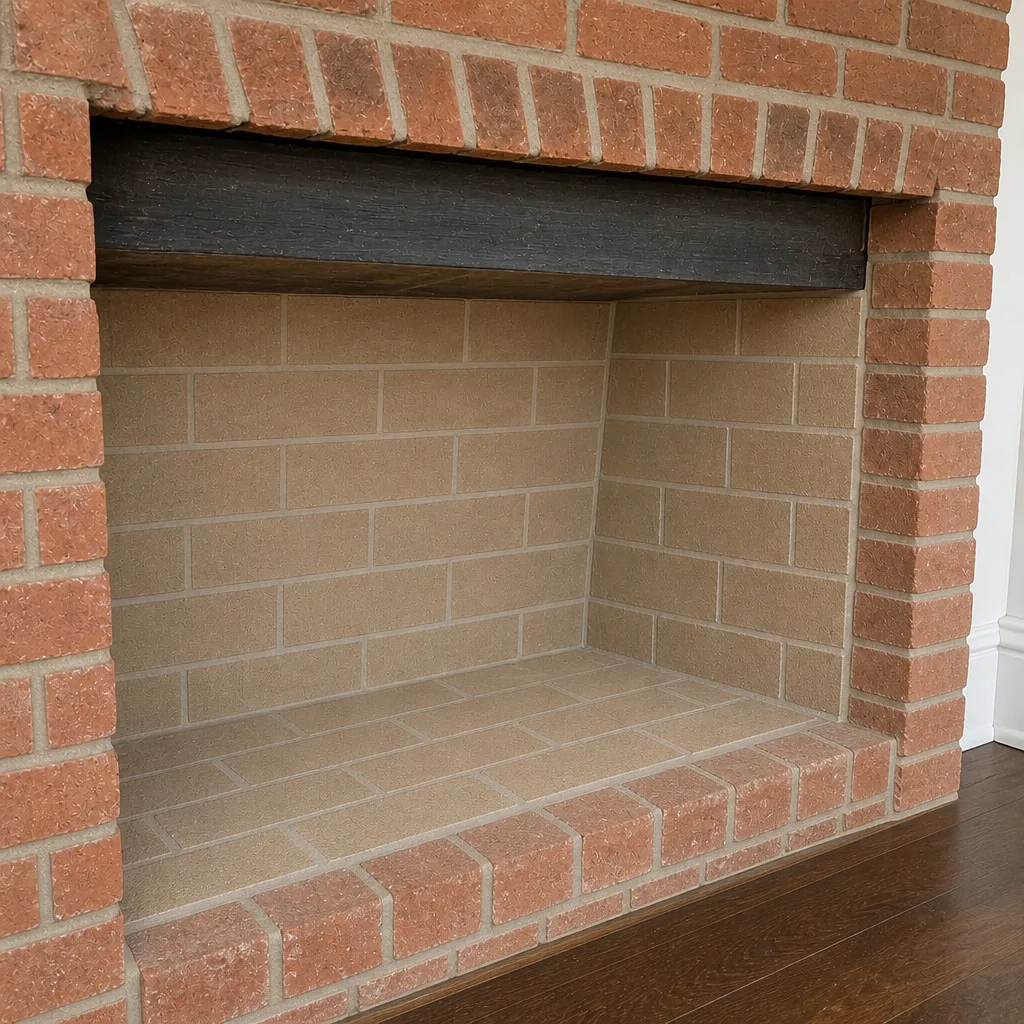
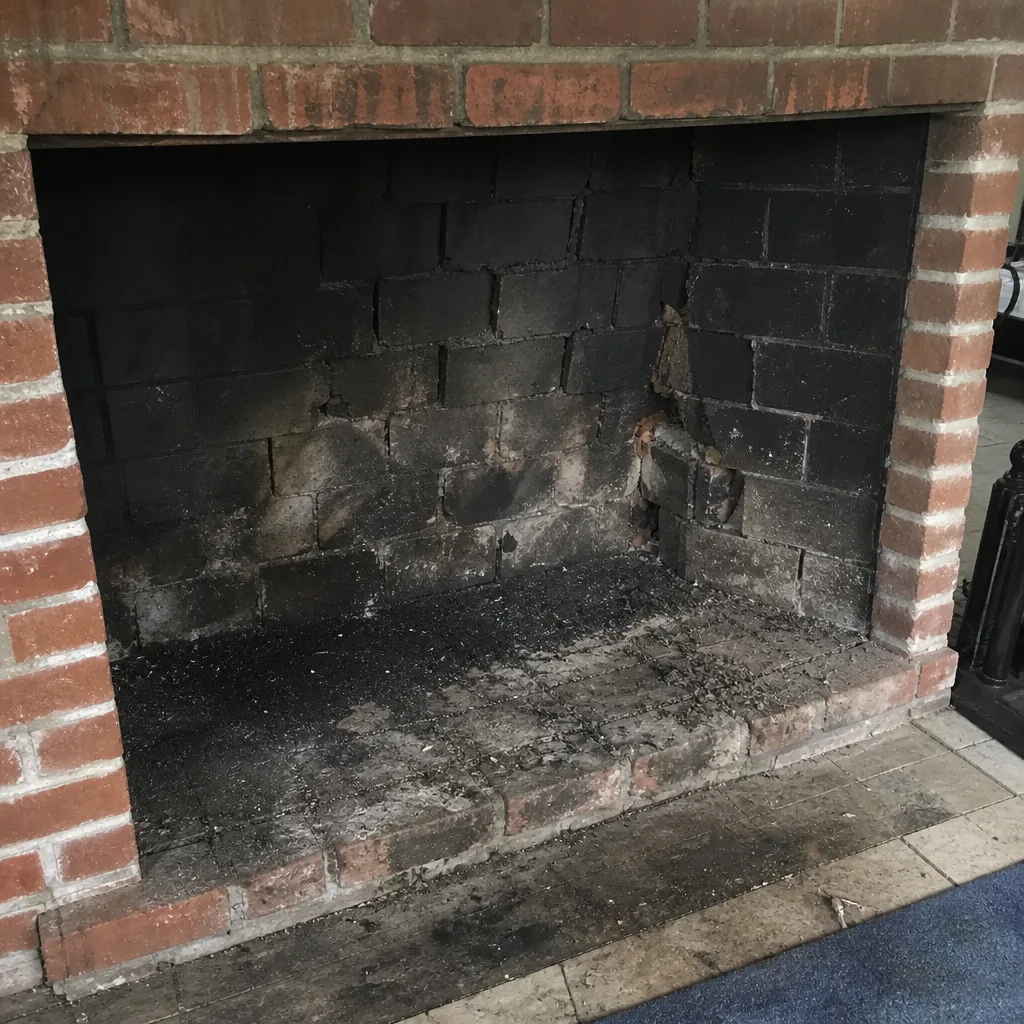
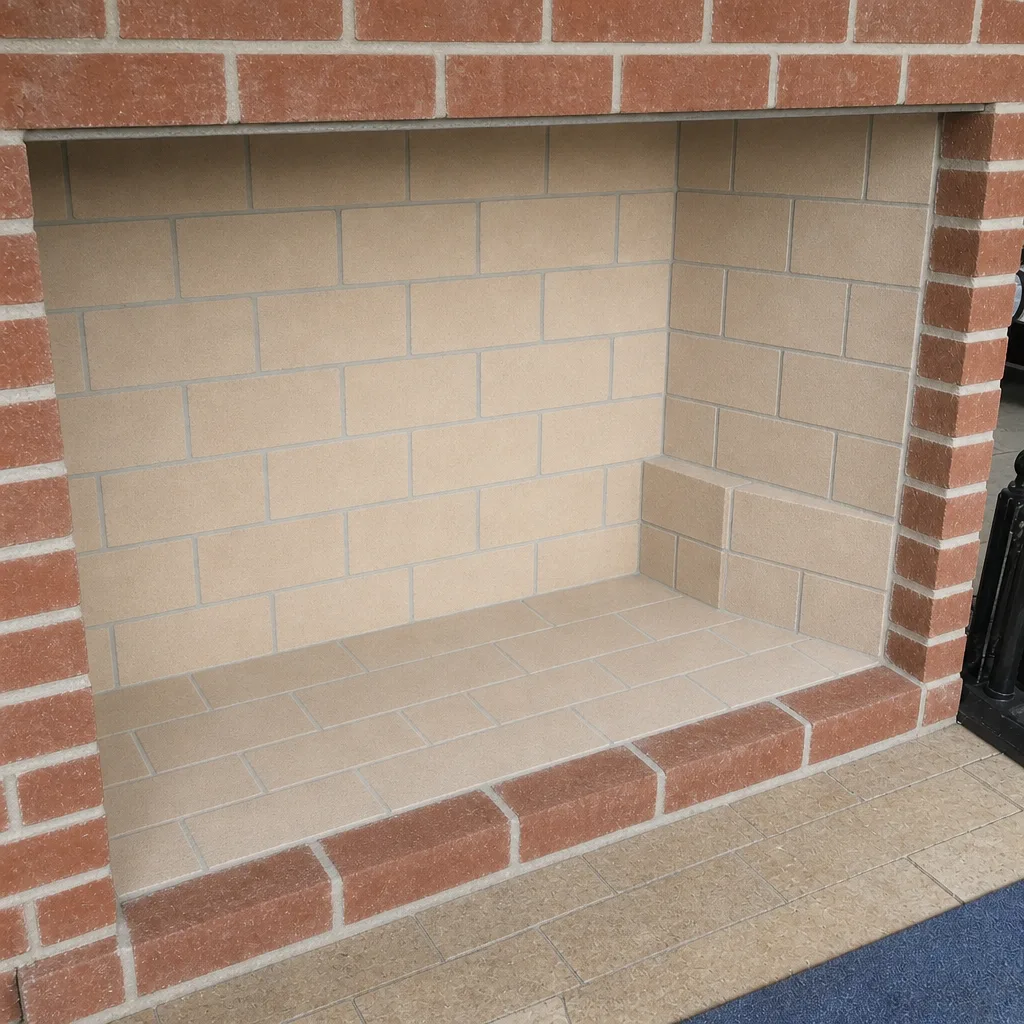
See the difference
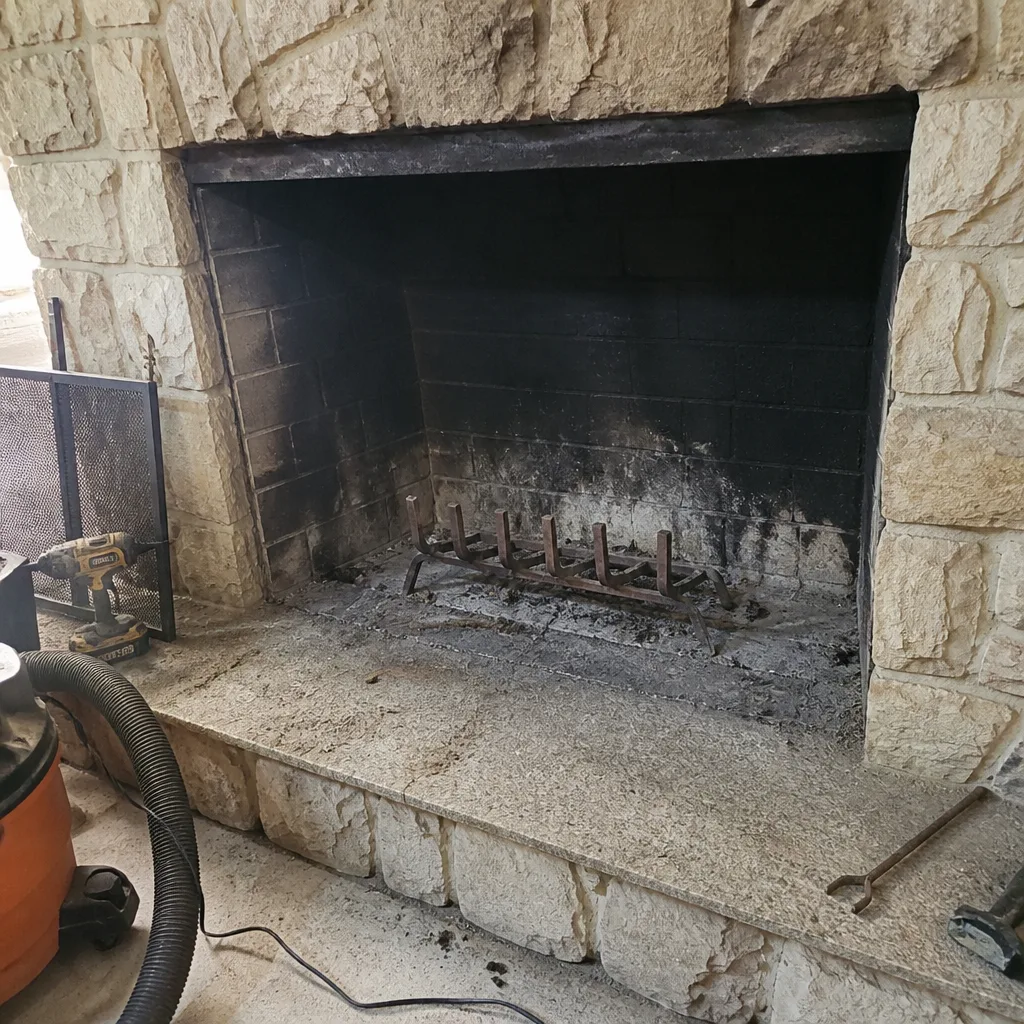 Before
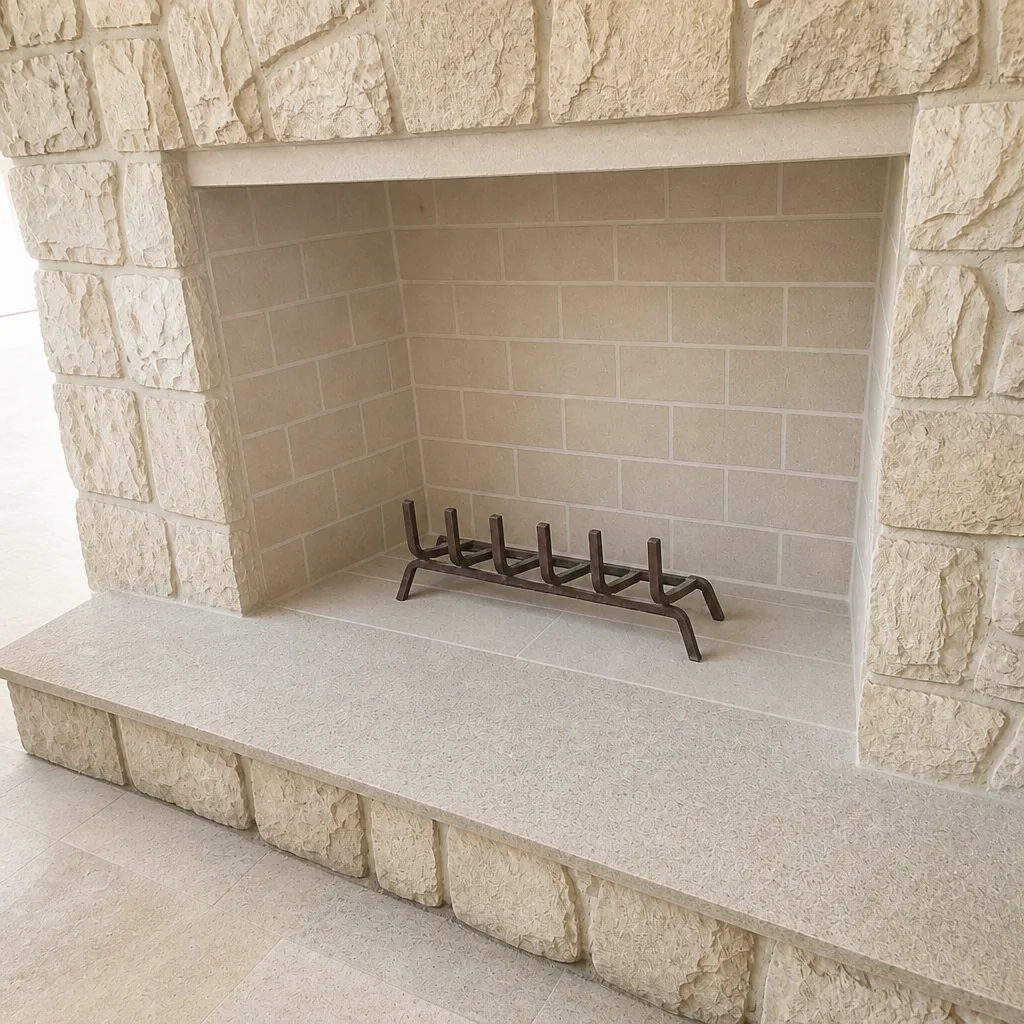 After
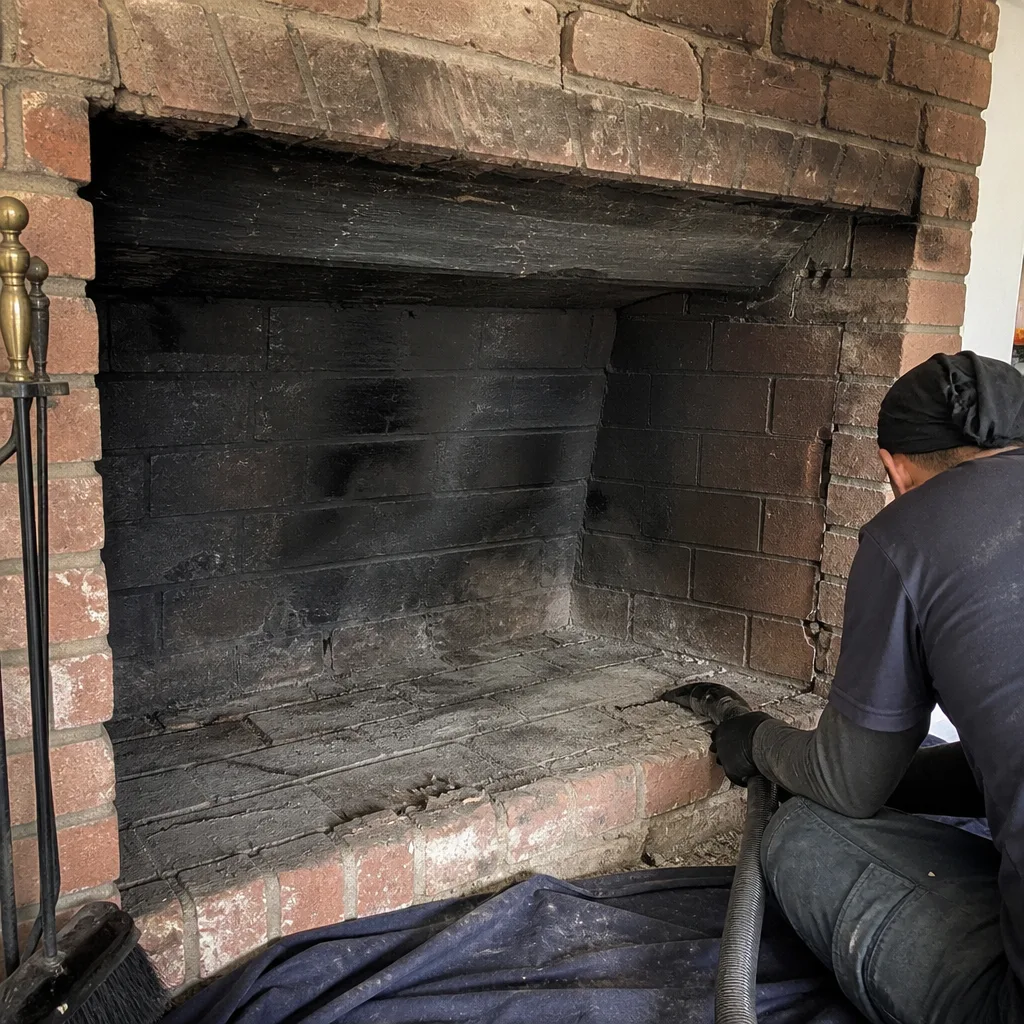 Before
 After
 Before
 After
When to Call a Professional
Some chimney work is a sensible professional call, and some shouldn’t be attempted at all. Cleaning and inspecting a flue means working at the roofline and inside a venting system – height and access risks that make a trained professional the right choice. Never improvise with a ladder on a sloped roof or reach into a flue you haven’t inspected. Beyond routine upkeep, call a professional when you notice a strong odor from the firebox even when not burning (a moisture or nesting sign), visible water staining or crumbling mortar around the chimney, a cap that’s missing or damaged, or debris and nesting material you can see. If you’re preparing for an insurance renewal or a home sale, a documented inspection is worth scheduling ahead of time. Chimney Sweep Hollywood offers free estimates in Hollywood – call (833) 974-6567.
Frequently Asked Questions
It’s priced per job by a written estimate, because the scope varies with what we find – a low-use flue with an intact cap is a different job from one with nesting and moisture damage. The estimate is free and sets the final price. Call (833) 974-6567 for an exact quote – estimates are free.
Annual inspection is the right baseline here, with cleaning done as the assessment calls for it. Hollywood’s humidity and salt exposure mean the weather side of the chimney wears year-round, so a yearly look catches moisture and animal problems even if you burned very little. Call (833) 974-6567 to schedule an inspection.
Yes – though it’s really the inspection you need more than a heavy cleaning. Low fire use lowers creosote buildup, but it doesn’t stop animal nesting, windblown debris, or moisture damage from an open or failed cap. A documented inspection tells you which of those you actually have. Call (833) 974-6567 for a free estimate.
A sweep removes soot and debris; an inspection documents the condition of the flue, firebox, cap, crown, and liner in writing with photos. You want both, and a specialist should deliver the full sweep-inspect-repair cycle so there’s no handoff. Call (833) 974-6567 to book a service that covers all three.
Often, yes. HeatShield ceramic resurfacing can restore a flue that’s damaged but not beyond repair, avoiding the cost of a full reline – and not every flue qualifies, which is why we inspect first and tell you honestly which one you actually need. Call (833) 974-6567 for an assessment.
You’ll have a written report with stated scope, condition notes, and photos of anything flagged. A real service is verifiable: you can see what we saw, and the report separates “fix now” from “watch this” from “fine.” Call (833) 974-6567 to schedule a documented inspection.
The Bottom Line
Chimney cleaning in Hollywood is a different job than the national guides describe. Low fire use means creosote is usually the smaller concern; moisture, salt-laden air, animal nesting, and debris do the steady damage. A proper service is a full sweep-inspect-repair cycle – brushes, camera, written report, and the materials to fix what’s found – not a single pass with a brush. Read your report, ask to see the photos, and insist on honesty about what can wait. If you want a clear, documented assessment from a chimney specialist rather than a generalist, we’re ready to help.
Contact Us
Whether you’re preparing for burning season, an insurance renewal, or a home sale, a documented inspection is the place to start. Call (833) 974-6567 for a free estimate. We answer 24/7, with fast dispatch from 7am to 7pm, Sunday through Friday. Chimney Sweep Hollywood handles sweeping, inspection, and repair as one company and crew – no handoffs. If you’d rather read more first, explore Chimney Sweep Hollywood to see how the full cycle fits together.
Written by the team at Chimney Sweep Hollywood.