
Last updated November 15, 2026
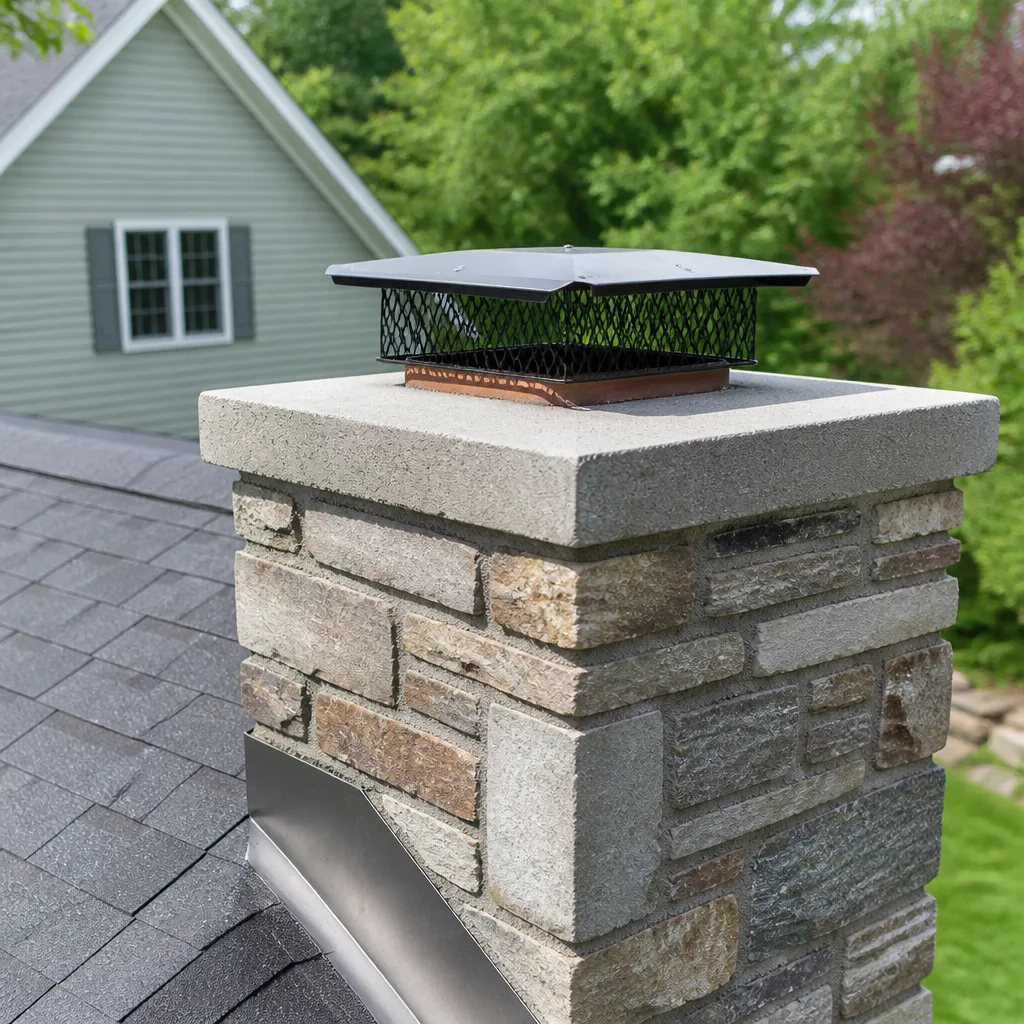 Sweep & inspection
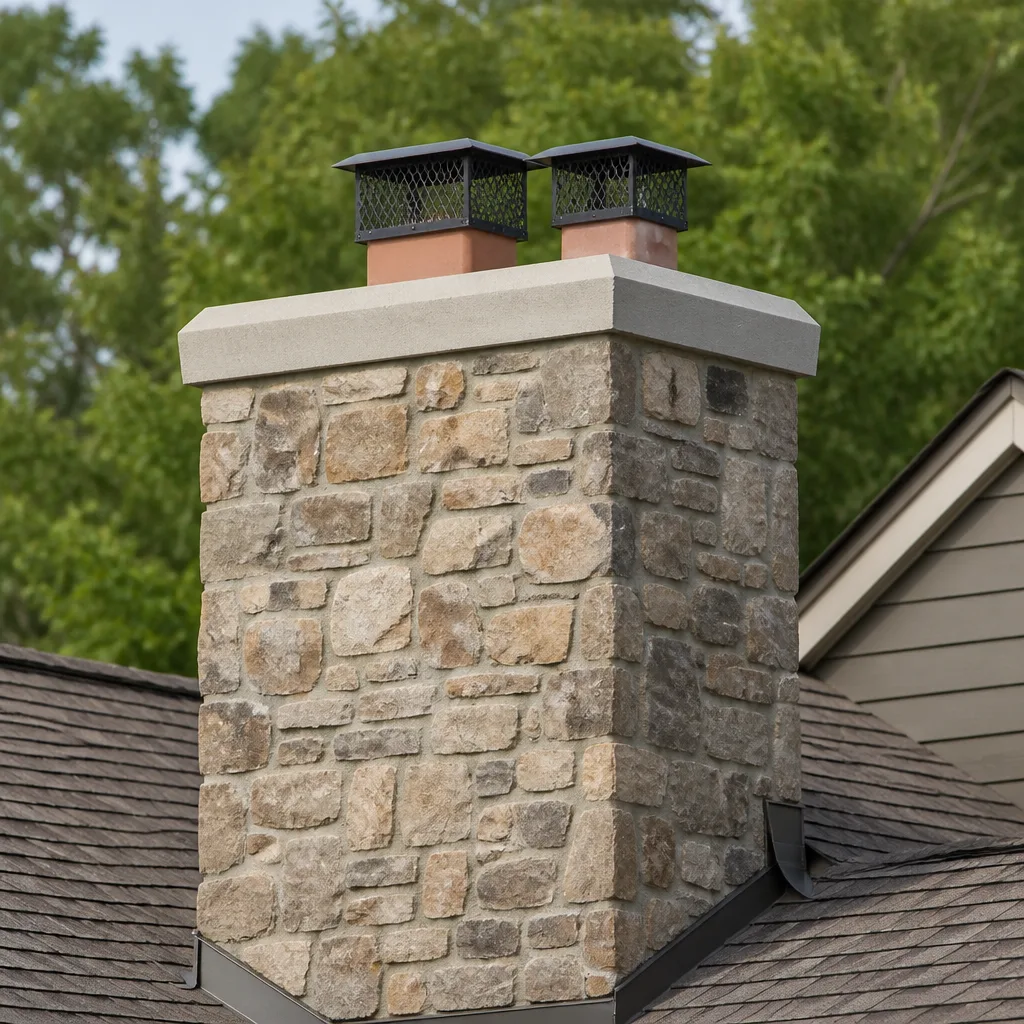 Caps & crowns
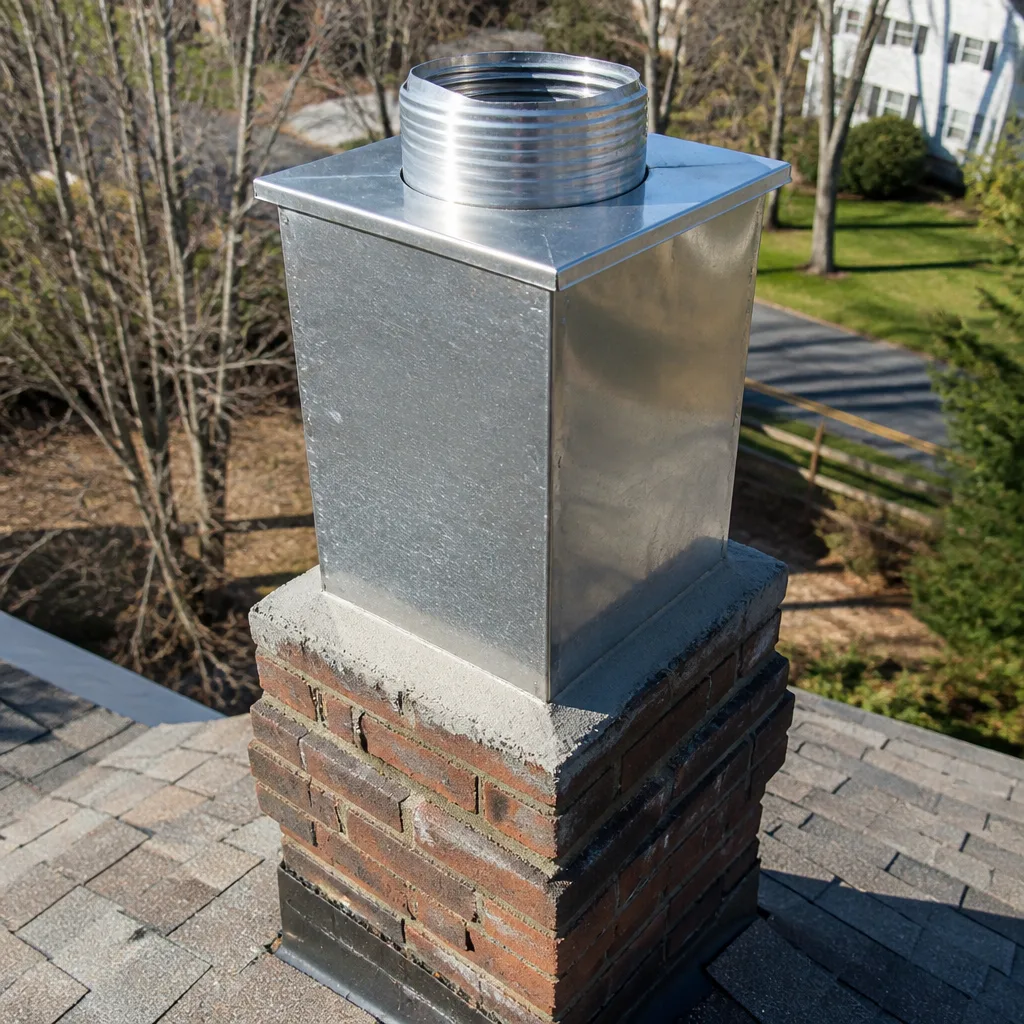 Flue relining
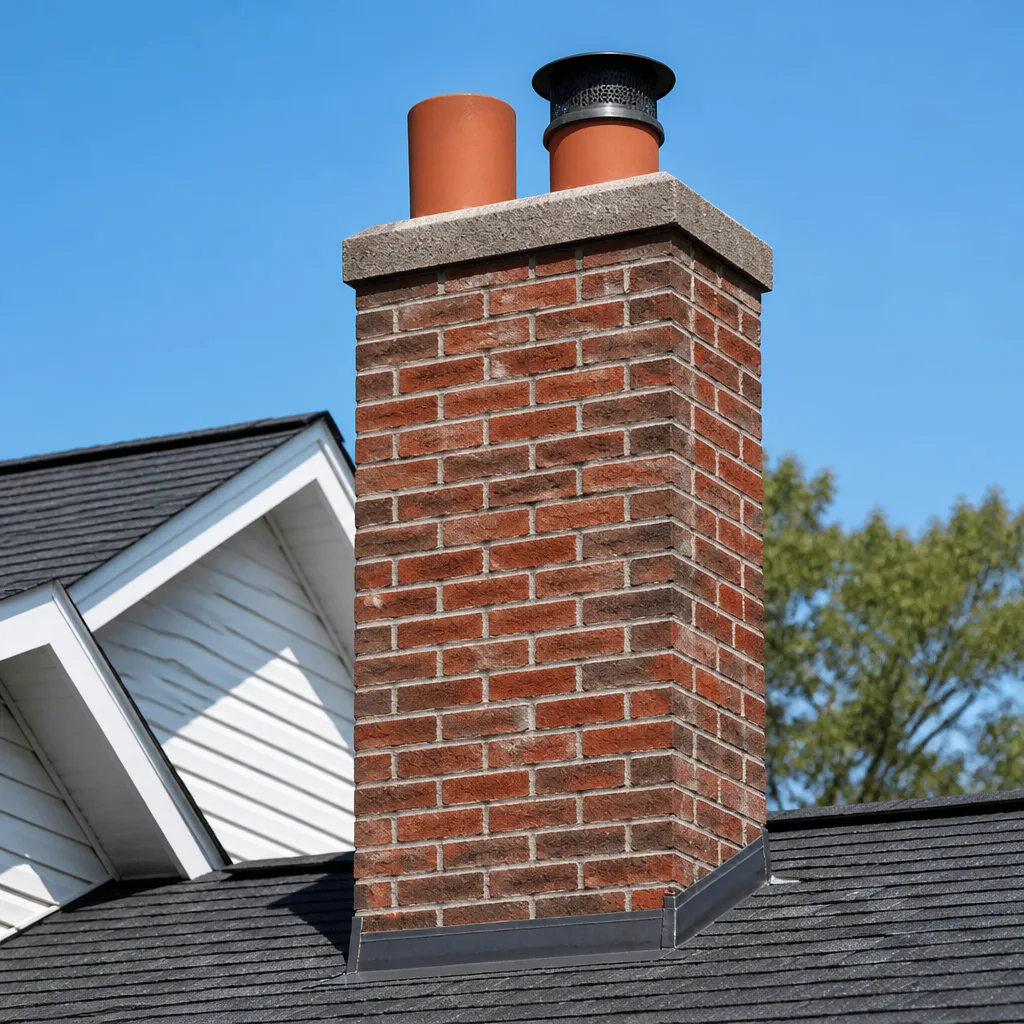 Masonry repair
 Gas fireplace service
Level 1 sweep and inspection to the NFPA 211 annual standard - flue, crown, cap, and flashing checked and photographed
Chimney sweep logs do not sweep chimneys. They loosen some creosote - which then falls where a brush and vacuum still have to collect it.
DIY vs Professional Chimney Cleaning: The Hollywood Homeowner’s Decision Guide
Chimney brushes and rods are available at any hardware store, and yes, a homeowner can physically move a brush through a flue. But the most dangerous conditions in a chimney – cracked liner sections, corroded metal components, animal debris packed above the damper – aren’t fixed by brushing and aren’t visible without a camera. The DIY debate usually centers on difficulty and cost. In Hollywood, the more useful question is what you can’t see, and whether the hazards common in South Florida flues are ones a homeowner is equipped to identify. This guide maps that decision to actual risk, not just effort.
Quick Answer
For most Hollywood homeowners, professional cleaning is the right call because the sweep itself is only half the job – the inspection that follows is what catches the problems brushing can’t reach or reveal. A proper DIY attempt requires far more equipment than a brush and rods, and it still leaves you without camera evidence of your flue’s condition. DIY makes sense in one narrow case: light, routine surface cleaning of a chimney you know is sound, between professional inspections.
Styles & brands we work with
- Sweep & inspection
- Caps & crowns
- Flue relining
- Masonry repair
- Gas fireplace service
Table of Contents
- What DIY Chimney Cleaning Can Realistically Accomplish
- What Requires Professional Tools and Training
- Conditions in Hollywood Chimneys You Can’t See Without a Camera
- The Real Cost of a Proper DIY Attempt
- Liability and Insurance When DIY Work Comes Before a Fire
- The Narrow Case Where DIY Makes Sense
- How a Professional Sweep and Inspection Actually Works
- A Decision Checklist for Hollywood Homeowners
What DIY Chimney Cleaning Can Realistically Accomplish
A homeowner with consumer-grade equipment can remove loose soot and light creosote from the accessible portions of a straight flue. That’s a real task, and it isn’t nothing. If you’ve burned a cord of wood through a season and the flue is otherwise sound, brushing down the reachable sections removes surface deposits and keeps airflow from degrading further.
What consumer equipment can’t do is the part that matters most. A hardware-store brush set typically reaches the flue from the firebox up, or from the roof down, but it can’t navigate offsets, turns, or the smoke chamber above the damper – the sloped transition between the firebox and the first flue tile. That chamber is where creosote glazes and where most chimney fires actually start. A brush on a flexible rod doesn’t scour a glazed smoke chamber the way a professional rotary tool does.
Here’s the honest breakdown of what a homeowner can and can’t handle:
- Can do: Remove loose soot from a straight, accessible flue section with a correctly sized brush.
- Can do: Clear ash from the firebox and clean the damper area of surface debris.
- Can do: Visual check of the firebox, damper operation, and the cap from the ground with binoculars.
- Cannot do: Scour glazed creosote from a smoke chamber.
- Cannot do: Inspect the flue interior for cracks, gaps, or liner failure.
- Cannot do: Identify corrosion on metal flue components or a compromised liner joint.
- Cannot do: Remove a nest or debris pack lodged above the damper without risk of pushing it deeper.
In our experience across Hollywood, the flues that get into trouble are rarely the ones that were never brushed. They’re the ones that were brushed by someone who couldn’t see what was happening three feet above the damper. Contact Chimney Sweep Hollywood when you want the whole flue assessed, not just the reachable part cleaned.
What Requires Professional Tools and Training
The gap between consumer equipment and professional equipment isn’t marketing – it’s the difference between cleaning a chimney and evaluating one. A professional sweep brings rotary cleaning heads sized to the flue, a HEPA vacuum that captures fine soot instead of redistributing it through your home, and a camera system that documents the interior from the firebox to the cap.
Here’s what professional equipment handles that a DIY kit cannot:
- Rotary cleaning of glazed creosote. Glazed, hardened creosote doesn’t yield to a stiff brush. It takes a spinning cutting head matched to the flue material, or in some cases chemical treatment followed by re-cleaning.
- Smoke chamber and damper assembly cleaning. The sloped chamber above the damper is a creosote trap and a common fire origin point. It needs specific tools and a trained eye.
- Camera inspection of the full flue. A camera reveals cracks, gaps, missing mortar joints, liner separation, and corrosion that no amount of brushing can show you and no flashlight can reach.
- Containment and dust control. Professional setups seal the firebox opening and run negative pressure so soot doesn’t migrate into the living space. A homeowner brushing without containment ends up with soot on the walls, the furniture, and in the HVAC return.
- Assessment and documentation. A trained technician reads what the camera shows and writes it down – useful for insurance, a home sale, or simply knowing where your system stands.
We source professional materials through Olympia Chimney and Copperfield, the supply lines the chimney trade relies on, because the tools and products matter as much as the labor. When a flue needs more than cleaning – a resurfaced liner, a new cap – we work with HeatShield for ceramic resurfacing and Gelco and Famco for caps and covers. That full sweep-inspect-repair cycle under one company is what chimney repair in Hollywood should mean: no handoffs, no second appointment with a different crew.
Conditions in Hollywood Chimneys You Can’t See Without a Camera
South Florida’s climate shapes chimney problems in ways that northern homeowners never deal with, and most of those problems live in places a brush can’t reach. Winters here are mild, which means many Hollywood chimneys sit idle for months and then get used hard when a cool front rolls through. That pattern – long dormancy followed by concentrated burning – produces its own set of conditions.
The most consequential hidden problems in a Hollywood flue:
- Cracked or spalled liner tiles. Clay liner tiles crack from thermal stress, and a hairline crack in a tile is invisible from the firebox. A camera finds it; a brush doesn’t. A cracked liner lets heat and combustion gases reach framing.
- Corroded metal flue components. Metal liners and connectors corrode from the inside out, especially when moisture has been present. By the time corrosion shows on the outside, the component may already be compromised. In a humid climate, moisture intrusion through a missing or damaged cap accelerates this.
- Animal debris packed above the damper. Birds, squirrels, and raccoons nest in uncapped flues. The nest material packs into the smoke chamber and above the damper, restricting the flue and creating a ready fuel source. Brushing from below can push it tighter rather than clear it.
- Moisture damage from a missing or failed cap. A cap is the first line of defense against rain, animals, and debris. Without one, water enters the flue and works on the liner, the mortar joints, and the metal components over time. This is the most common cause of chimney water damage, and it’s a gap that sweep-only companies often leave unaddressed.
- Liner separation at joints. Flexible liners can separate or shift at joints, and the gap isn’t visible from either end. Only a camera pass reveals it.
None of these conditions announce themselves. A chimney with a cracked liner and a nest packed above the damper can look and smell normal from the living room. The camera is the only honest way to know. If you’re scheduling a chimney sweep in Hollywood, insist on a camera inspection as part of the visit, not an upsell you’re talked into afterward.
The Real Cost of a Proper DIY Attempt
The brush price is the number everyone quotes, and it’s the smallest part of the actual cost. A DIY attempt done properly – meaning with an eye toward not damaging the flue or contaminating the house – requires more than a single brush from the hardware store. Here’s what a genuine attempt costs once you account for everything:
- Brush set sized to your flue. A single brush rarely fits; flue dimensions vary, and the wrong size either misses deposits or jams.
- Rods. Enough length to reach the full flue from the firebox or roof, which for a typical residential chimney means a substantial rod set.
- Drop cloths and plastic sheeting. Soot travels. Without containment, cleaning the chimney means cleaning the room afterward too.
- A HEPA-rated vacuum. A shop vac without HEPA filtration blows fine soot back into the air. A proper HEPA vacuum is a significant purchase.
- Respirator and eye protection. Soot and creosote are respiratory irritants; a dust mask isn’t adequate for a real sweep.
- Ladder and roof access for a top-down sweep. If you’re cleaning from the roof, you need safe roof access, which many homeowners don’t have.
- Your time and the mess. A first-time DIY sweep takes hours and usually leaves soot in places you didn’t expect.
Add those up and the DIY route stops looking cheap. And it still doesn’t include the camera inspection, which is the part that actually tells you whether your chimney is safe to use. A professional sweep bundles cleaning and inspection into one visit, with the price set per job by a written estimate you see before any work starts. For a homeowner comparing the two paths honestly, the DIY “savings” mostly evaporate once you count the equipment you’d need to buy and the inspection you still can’t perform. Call (833) 974-6567 for a free estimate and see what the real number looks like.
Liability and Insurance When DIY Work Comes Before a Fire
This is the part of the DIY question most guides skip, and it’s the part that can cost the most. If a chimney fire or carbon monoxide incident follows homeowner chimney work, the insurance claim process can get complicated fast. Insurers increasingly ask for documentation of chimney maintenance, and a homeowner who can’t produce a sweep or inspection record is in a weaker position than one who can.
Consider the sequence. A homeowner brushes the flue, believes it’s clean, and keeps burning. A cracked liner the brush didn’t reach lets heat through to framing, or a debris pack above the damper ignites. The fire department responds and notes the chimney’s condition. Now the claim turns on what maintenance was done and whether it was done properly. Without a documented professional inspection, there’s no record showing the flue was assessed, and the question of homeowner negligence becomes harder to answer.
The same logic applies to carbon monoxide. A blocked or compromised flue can allow CO to enter the living space instead of venting outside. A CO incident traced to an uncleaned or unmaintained chimney is a serious matter, and the absence of a professional inspection record doesn’t help the homeowner’s case.
There’s also the disclosure question at sale. A buyer’s inspector will look at the chimney, and if problems surface that a professional sweep would have caught, the seller faces renegotiation or a delayed closing. A written inspection report – the kind we provide as part of every visit – gives you something concrete to hand to an insurer, a buyer, or your own records. We document every inspection in writing so you have proof, not just a memory of a brush going up and down.
The Narrow Case Where DIY Makes Sense
There is a legitimate use case for DIY chimney maintenance, and it’s narrower than most homeowners assume. DIY works when you’re supplementing professional care, not replacing it. Specifically:
- The chimney has been professionally inspected and found sound. You know the liner is intact, the smoke chamber is clean, and there’s no debris or corrosion. A recent professional report is your baseline.
- You’re doing light, routine surface cleaning between professional visits. A brush-down of accessible soot after a season of burning, with proper containment and a HEPA vacuum, is reasonable maintenance on a chimney you know is healthy.
- You understand what you’re not seeing. You’re not pretending the brush tells you anything about the flue’s condition. You’re maintaining a chimney that a professional has already assessed.
- You have the right safety gear and safe access. Proper respiratory protection, containment, and a safe way to reach the flue if sweeping from the top.
What DIY is not suited for: a chimney that’s never been inspected, a chimney that’s had a fire, a chimney with a known or suspected liner issue, a chimney that’s been sitting unused with an uncapped flue, or a chimney where you’ve noticed any change in draft, smell, or smoke behavior. In those cases, brushing first can make a hidden problem worse or simply delay the moment it’s discovered. If you’re in doubt about which side of that line your chimney sits on, a professional inspection settles it. Homeowners across Hollywood often discover their chimney was in worse shape than expected once a camera went up the flue.
How a Professional Sweep and Inspection Actually Works
Knowing what a professional visit involves helps you judge whether it’s worth it. A full sweep-inspect-repair cycle isn’t a single step; it’s a sequence, and each stage feeds the next. Here’s how a typical professional visit goes:
- Setup and containment. The technician lays drop cloths, seals the firebox opening, and sets up a HEPA vacuum with negative pressure so no soot escapes into the room.
- Sweeping the flue. Rotary cleaning heads matched to the flue material scour the flue, the smoke chamber, and the damper area. Glazed creosote gets specific treatment rather than a stiff brush.
- Camera inspection. A camera runs the full length of the flue, from firebox to cap, recording cracks, gaps, liner separation, corrosion, and debris. The technician reviews the footage with you.
- Exterior and cap check. The cap, crown, and flashing are checked for damage. A missing or failed cap is flagged as a moisture and animal exclusion issue, not a cosmetic one.
- Written report. Findings are documented – what’s sound, what needs attention, what can safely wait. This is the record you keep for insurance, a sale, or your own reference.
- Recommendations and repair options where needed. If the flue needs work, options are laid out honestly. HeatShield ceramic resurfacing can restore a damaged flue in some cases without a full reline, a cost-saving alternative most competitors can’t offer. DuraFlex flexible liners handle the complex, offset, or older flue configurations that rigid systems can’t navigate.
The value of the sequence is that cleaning and inspection happen in the same visit, by the same company, with the same set of eyes on the whole system. That’s why we handle sweep, inspect, and repair under one roof rather than handing you off between companies. Call (833) 974-6567 to book a visit. We answer 24/7. Fast dispatch from 7am to 7pm, Sunday through Friday.
A Decision Checklist for Hollywood Homeowners
If you’re still deciding between DIY and professional, run your chimney through this checklist. If you answer “no” or “not sure” to any of the first four, professional service is the right move.
- Has your chimney been professionally inspected in the past year? If not, you don’t have a baseline, and DIY is working blind.
- Do you have a written record of the flue’s condition? A camera report is the only reliable evidence.
- Is the flue liner confirmed intact? A cracked liner is a fire and CO risk, and it’s invisible without a camera.
- Is the cap present and in good condition? An uncapped flue collects water, animals, and debris.
- Do you have HEPA containment and proper respiratory protection? Without them, DIY spreads soot through the home.
- Have you had a chimney fire, or noticed any change in draft or smoke behavior? Any yes means professional inspection before the next burn.
- Can you safely reach the flue from the roof if needed? Unsafe roof access is a reason not to DIY.
If you can honestly answer yes to the baseline questions – inspected, documented, liner confirmed good, capped – then light DIY surface cleaning between professional visits is reasonable. If not, the checklist is telling you something. Call (833) 974-6567. We answer 24/7. Fast dispatch from 7am to 7pm, Sunday through Friday.
Common Mistakes to Avoid
- Brushing a chimney you’ve never had inspected. A brush on an unknown flue can push a nest tighter, dislodge a loose liner section, or hide a crack under fresh soot. The inspection should come first, or at least alongside the cleaning.
- Using a shop vac without HEPA filtration. Fine soot passes straight through a standard filter and into the room’s air. You’ll be cleaning soot off every surface for weeks, and breathing it in the meantime.
- Skipping containment sheeting. Soot travels farther than you’d think. Without sealed plastic and drop cloths, a DIY sweep leaves a trail from the fireplace to the far end of the house.
- Ignoring a missing or damaged cap. In Hollywood’s humid climate, an uncapped flue is an open door for rain and animals. A cap is the first line of defense, not a cosmetic accessory, and replacing one is a simple fix that prevents bigger damage.
- Assuming a clean-looking firebox means a clean flue. The firebox can look spotless while the flue above the damper is packed with debris or creosote. The visible part tells you almost nothing.
- Burning again after a chimney fire without an inspection. A chimney fire can crack a liner or damage the smoke chamber in ways you can’t see from below. Burning before an inspection risks a second, worse event.
- Treating a camera inspection as an optional upsell. The inspection is the most important part of the visit, not an add-on. A sweep without an inspection is half a job.
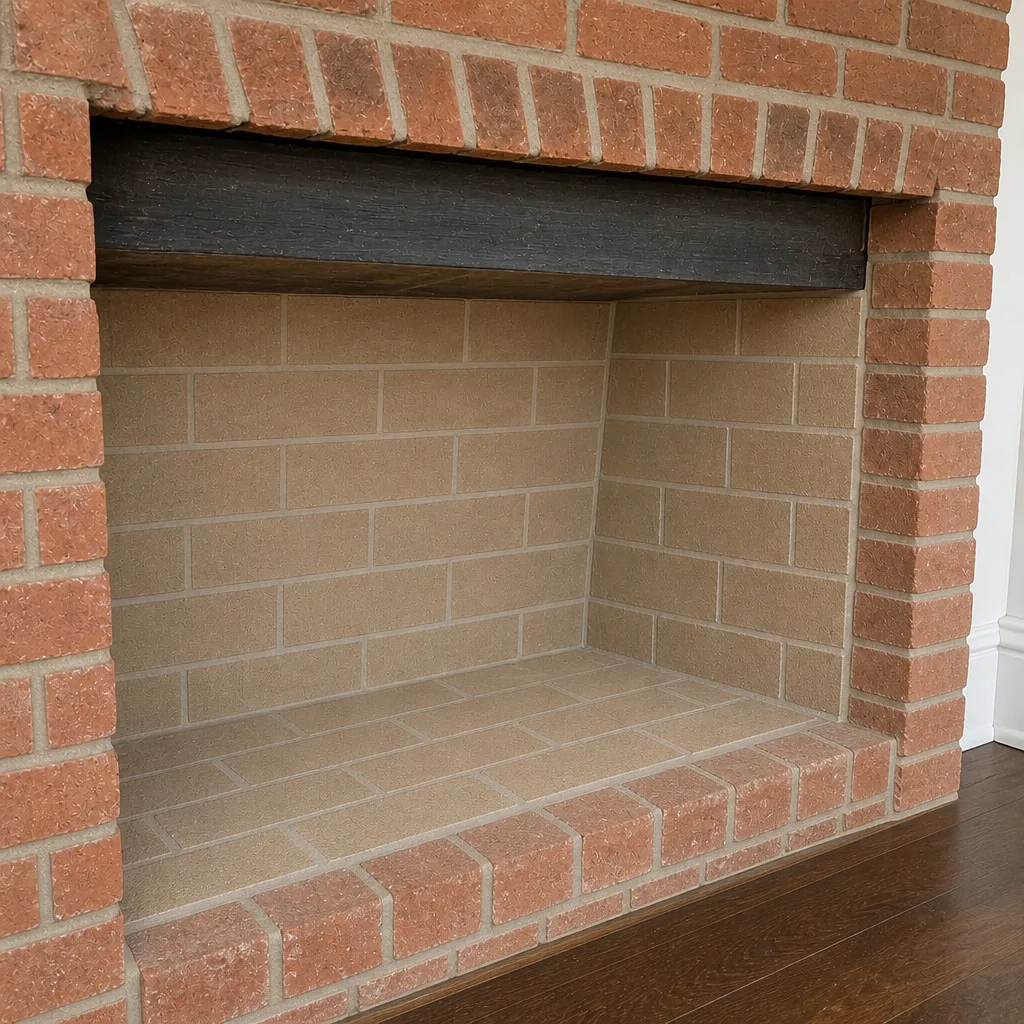
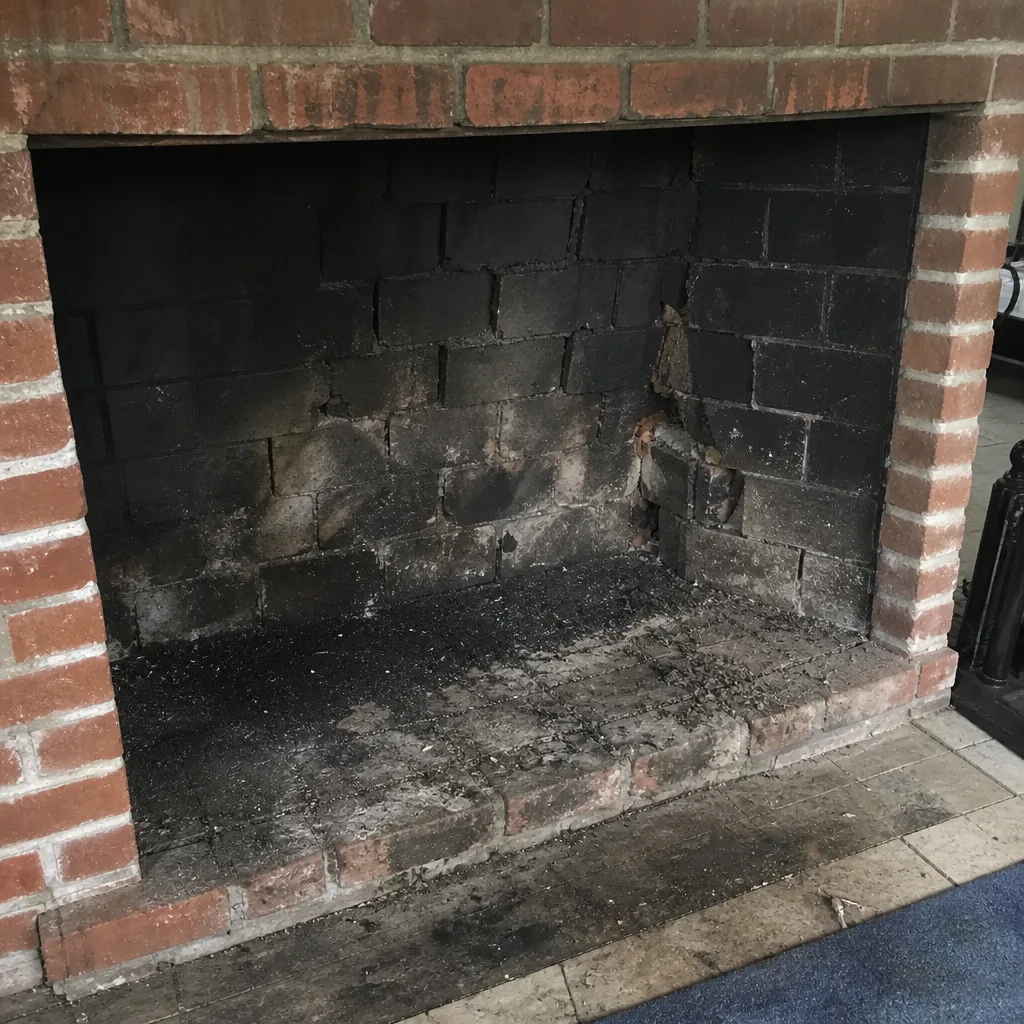
See the difference
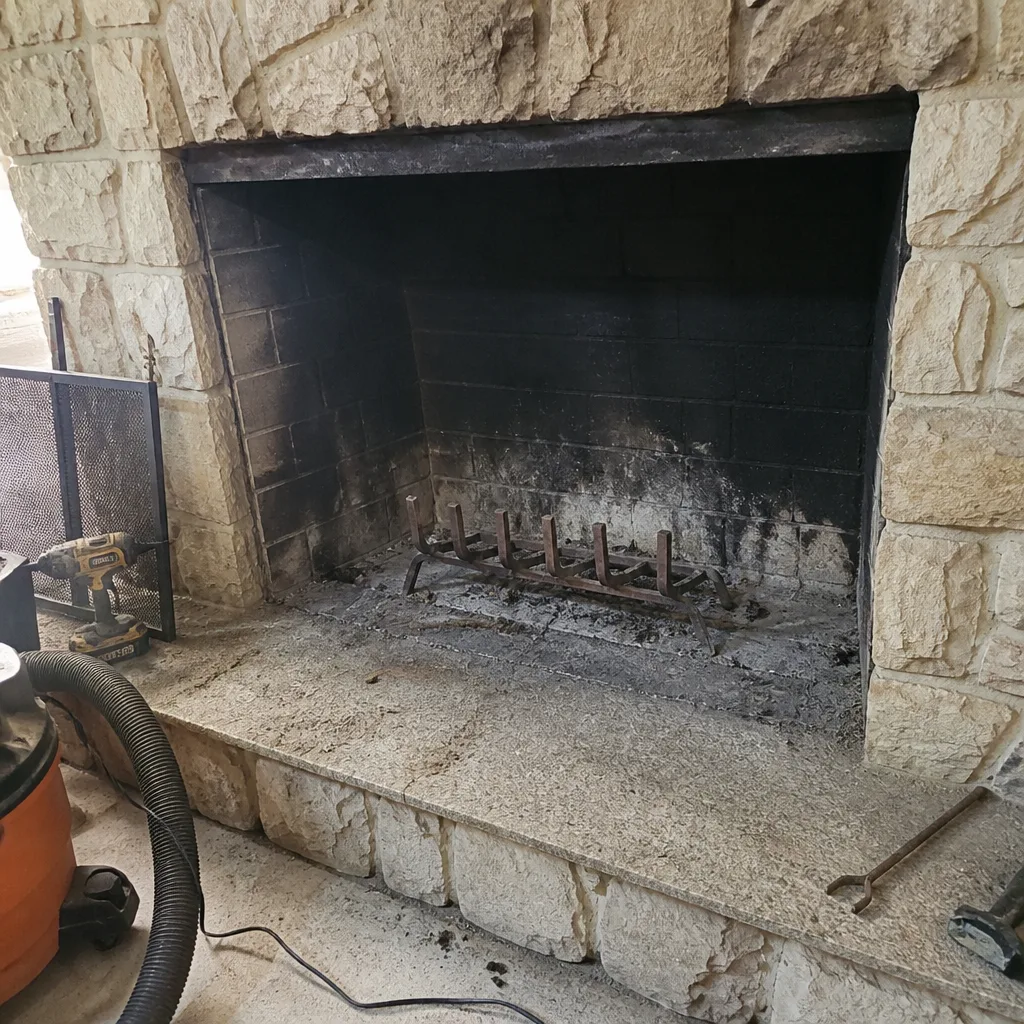 Before
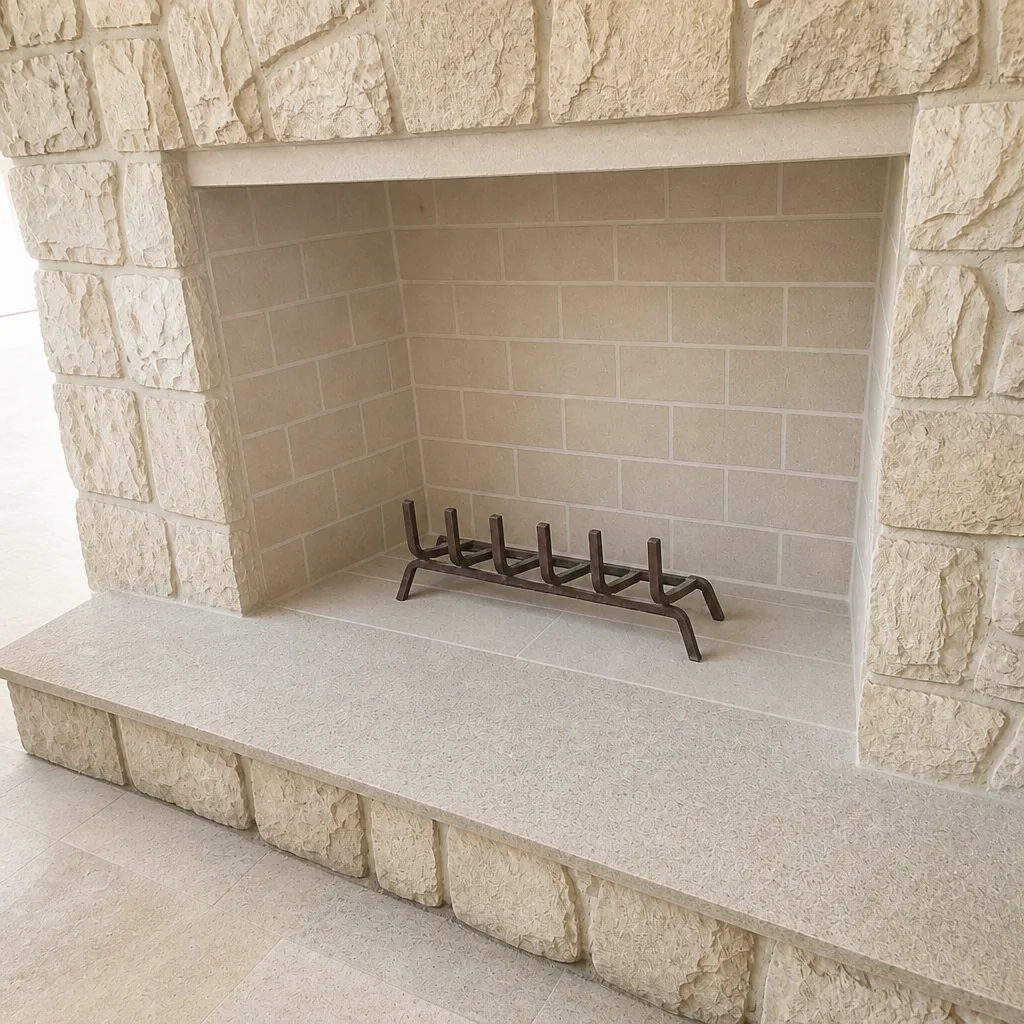 After
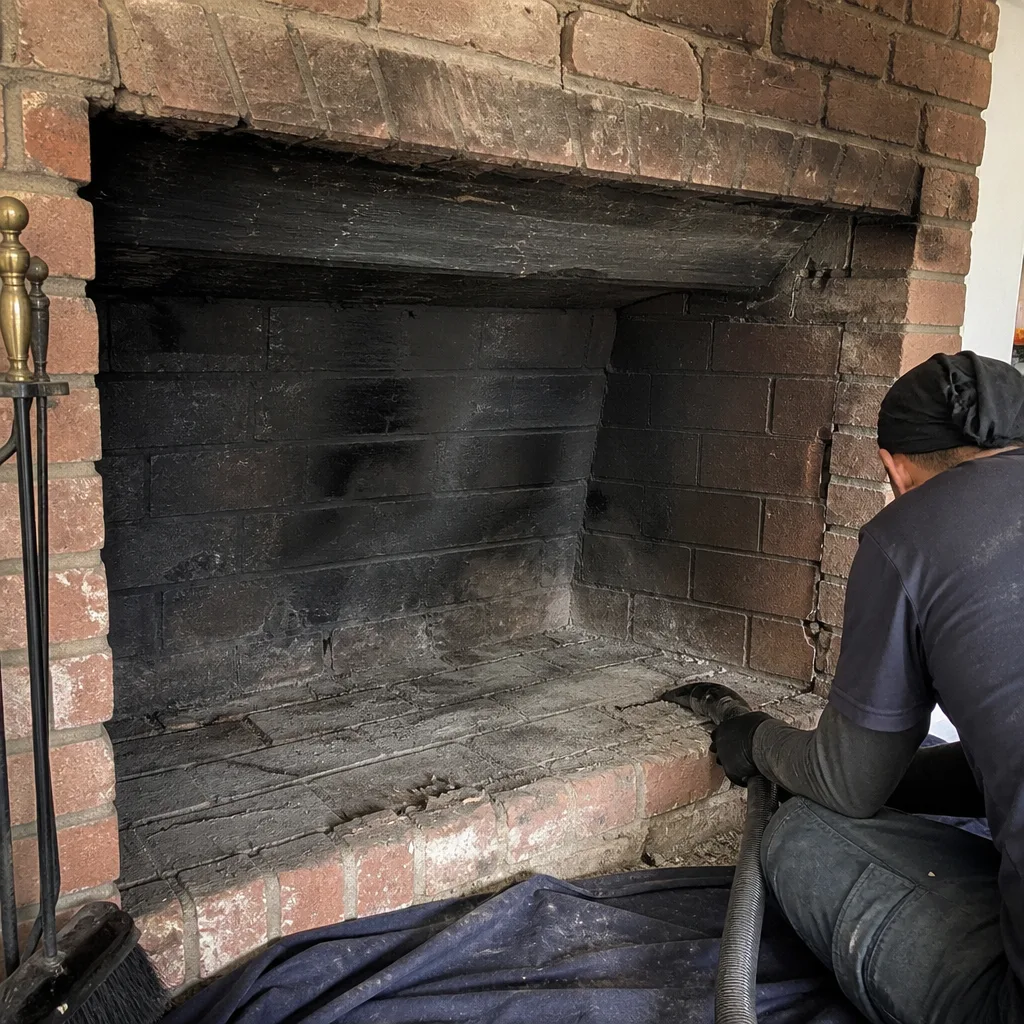 Before
 After
 Before
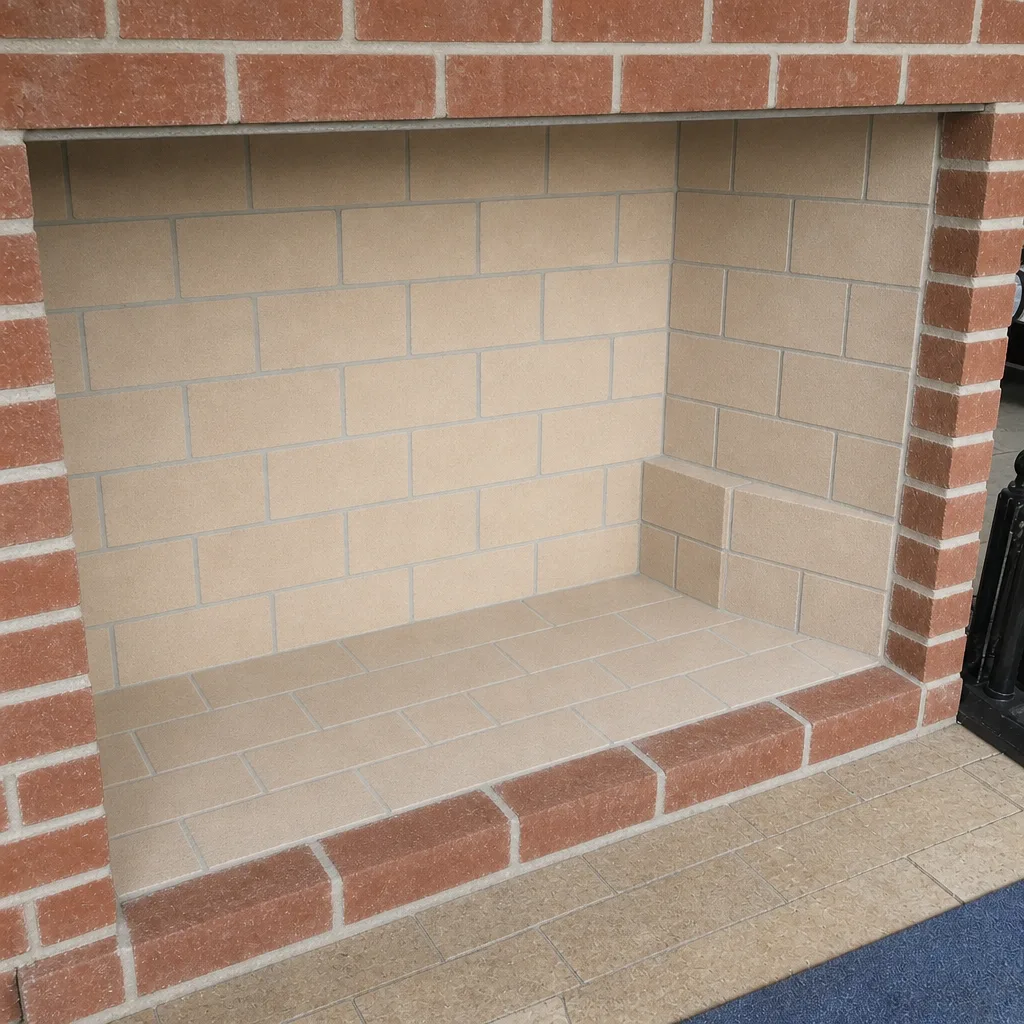 After
When to Call a Professional
Call a professional if your chimney has never been inspected, if it’s been more than a year since the last sweep, if you’ve had a chimney fire, if you’ve noticed a change in draft or smoke behavior, if the flue is uncapped, if you suspect animals or debris above the damper, or if you’re preparing for an insurance renewal or a home sale and need documentation. Call a professional if you don’t have a written record of your flue’s condition. Chimney Sweep Hollywood offers free estimates in Hollywood – call (833) 974-6567. We answer 24/7. Fast dispatch from 7am to 7pm, Sunday through Friday.
Frequently Asked Questions
You can clean the accessible portion of a straight flue yourself, but you can’t inspect it, and the inspection is what tells you whether the chimney is safe. For a chimney that’s never been inspected, or one with any known issue, professional service is the right call. Call (833) 974-6567 for a free estimate.
A camera reveals cracked liner tiles, liner separation at joints, internal corrosion, and debris packed above the damper – none of which are visible from the firebox or the roof. These are the conditions that cause chimney fires and carbon monoxide incidents. Call (833) 974-6567 to book an inspection with camera documentation.
It can complicate the claim. Insurers increasingly ask for documented chimney maintenance, and without a professional inspection record, a homeowner is in a weaker position after a chimney fire or CO incident. A written report gives you something to show your insurer. Call (833) 974-6567 for documented inspection.
Most chimneys should be swept and inspected once a year, or more often if you burn heavily or notice any change in draft or smoke behavior. In Hollywood’s mild climate, chimneys often sit idle for months and then get used hard, which makes the annual inspection more important, not less. Call (833) 974-6567 to schedule.
Once you add brushes sized to the flue, rods, HEPA vacuum, containment sheeting, and respiratory protection, the DIY route costs far more than the brush alone – and it still doesn’t include the camera inspection. A professional visit bundles cleaning and inspection with the price set per job by a written estimate. Call (833) 974-6567 for a free estimate.
Yes, when the chimney has been professionally inspected and found sound, and you’re doing light routine surface cleaning between professional visits with proper containment. DIY is supplementing professional care, not replacing it. If you’re unsure which case you’re in, call (833) 974-6567 for an inspection that settles it.
The Bottom Line
The DIY chimney cleaning question isn’t really about whether you can move a brush through a flue – you can. It’s about whether you can see what’s happening in the parts of the flue the brush doesn’t reach, and whether you can identify the conditions that make a chimney dangerous. In Hollywood’s climate, with long idle periods and concentrated burning seasons, the hidden problems – cracked liners, corroded components, debris above the damper, moisture damage from a missing cap – are the ones that matter. A professional sweep gives you cleaning and camera inspection in one visit, with written documentation you can hand to an insurer or a buyer. DIY between inspections is reasonable maintenance on a chimney you know is sound. Without that baseline, you’re guessing. Call (833) 974-6567 for a free estimate. We answer 24/7. Fast dispatch from 7am to 7pm, Sunday through Friday.
Written by the team at Chimney Sweep Hollywood.