
Last updated November 15, 2026
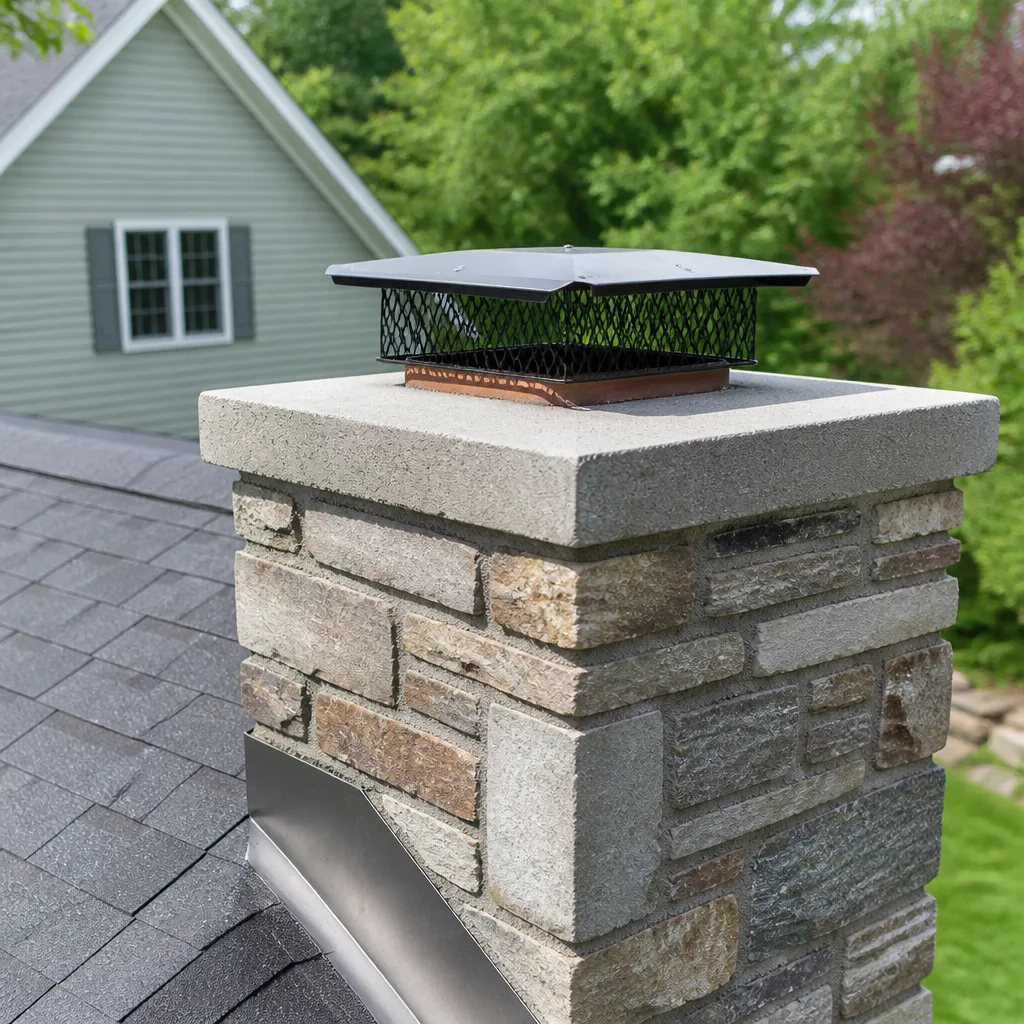 Sweep & inspection
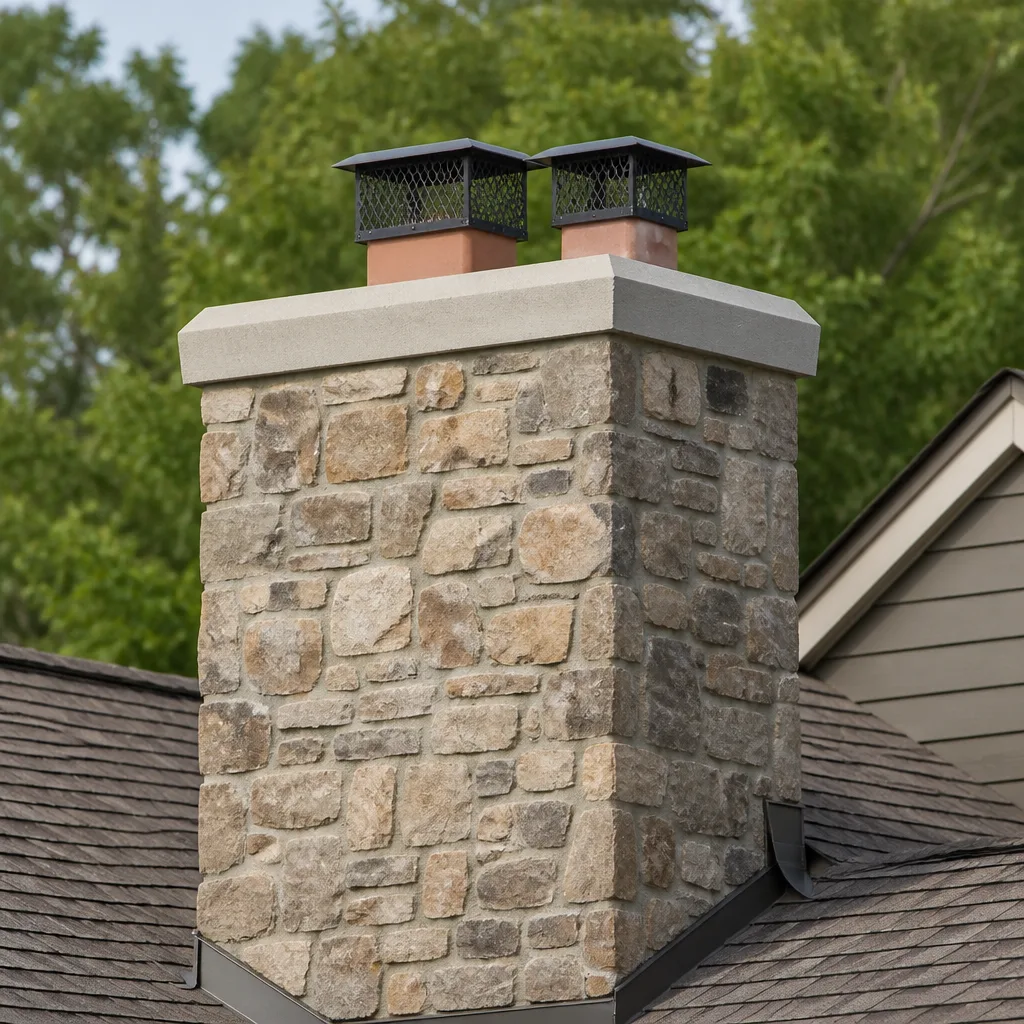 Caps & crowns
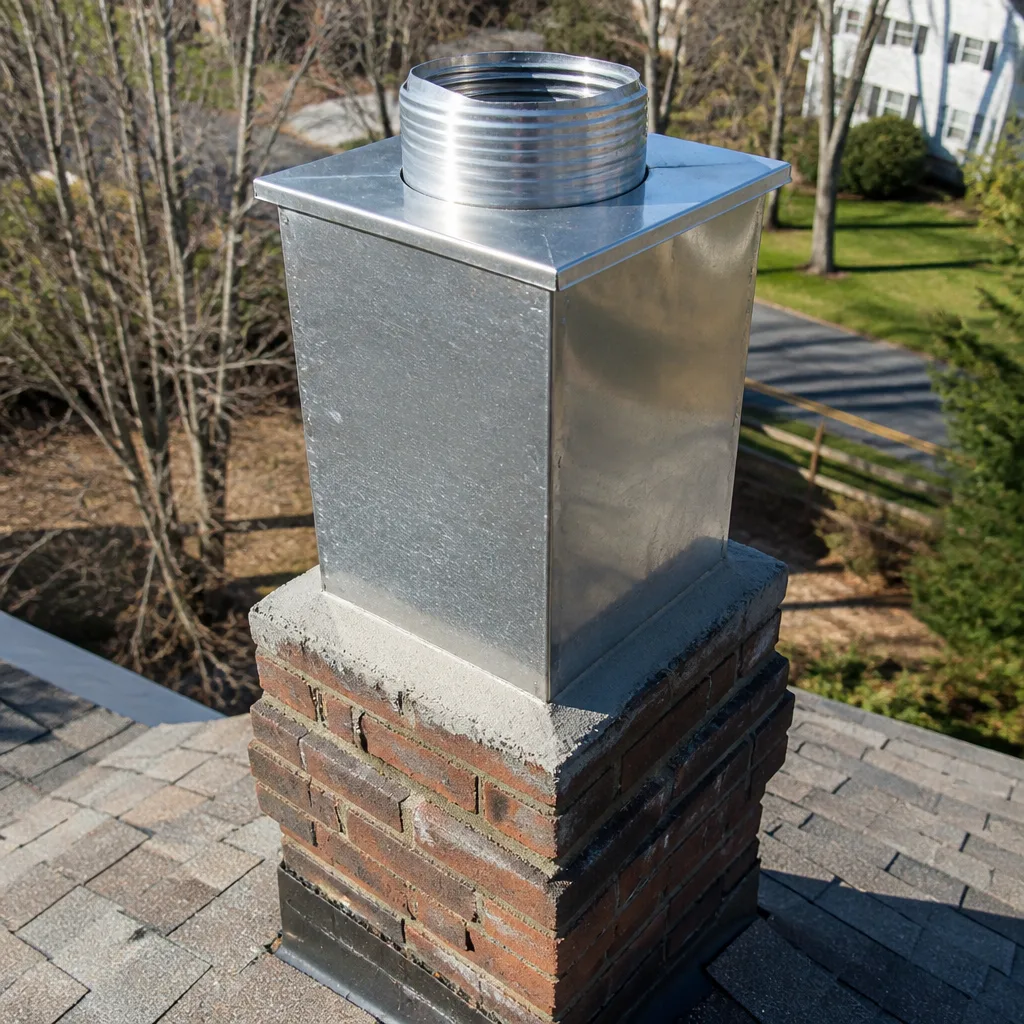 Flue relining
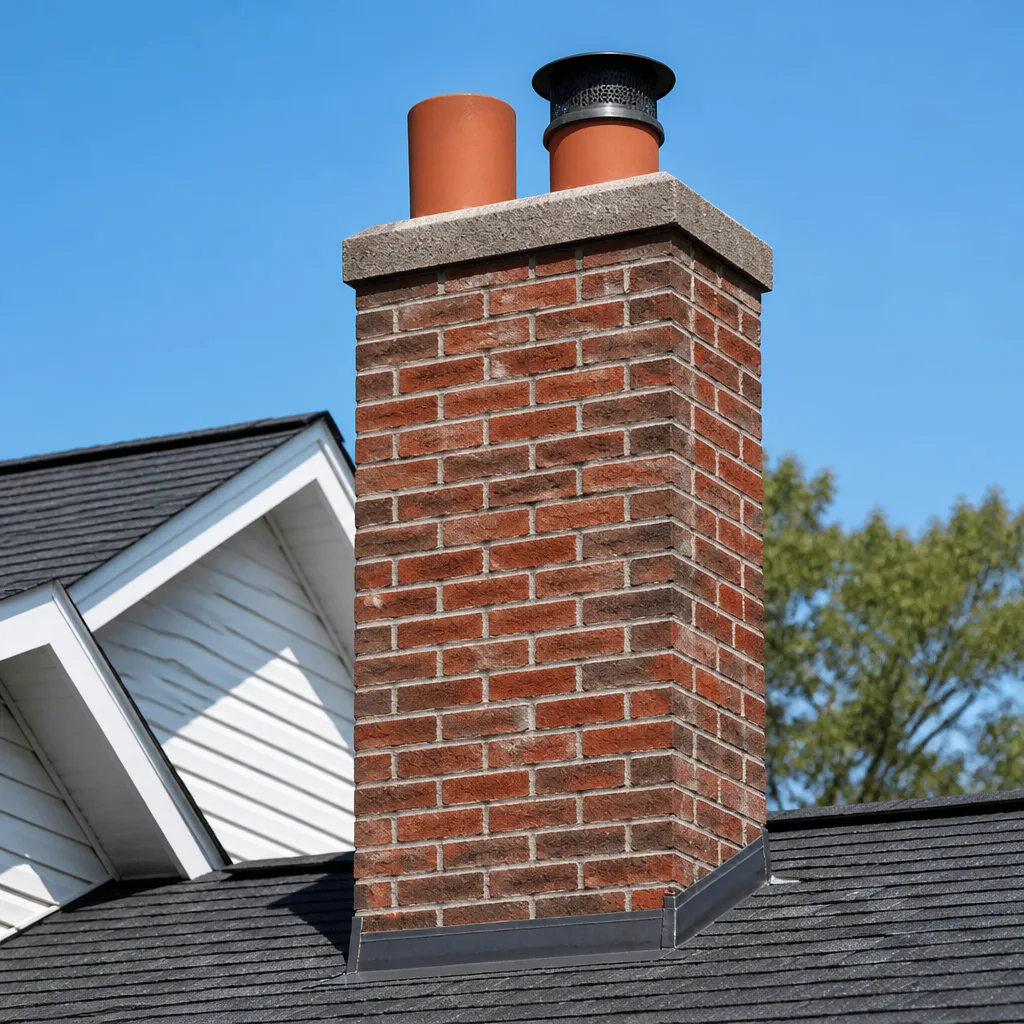 Masonry repair
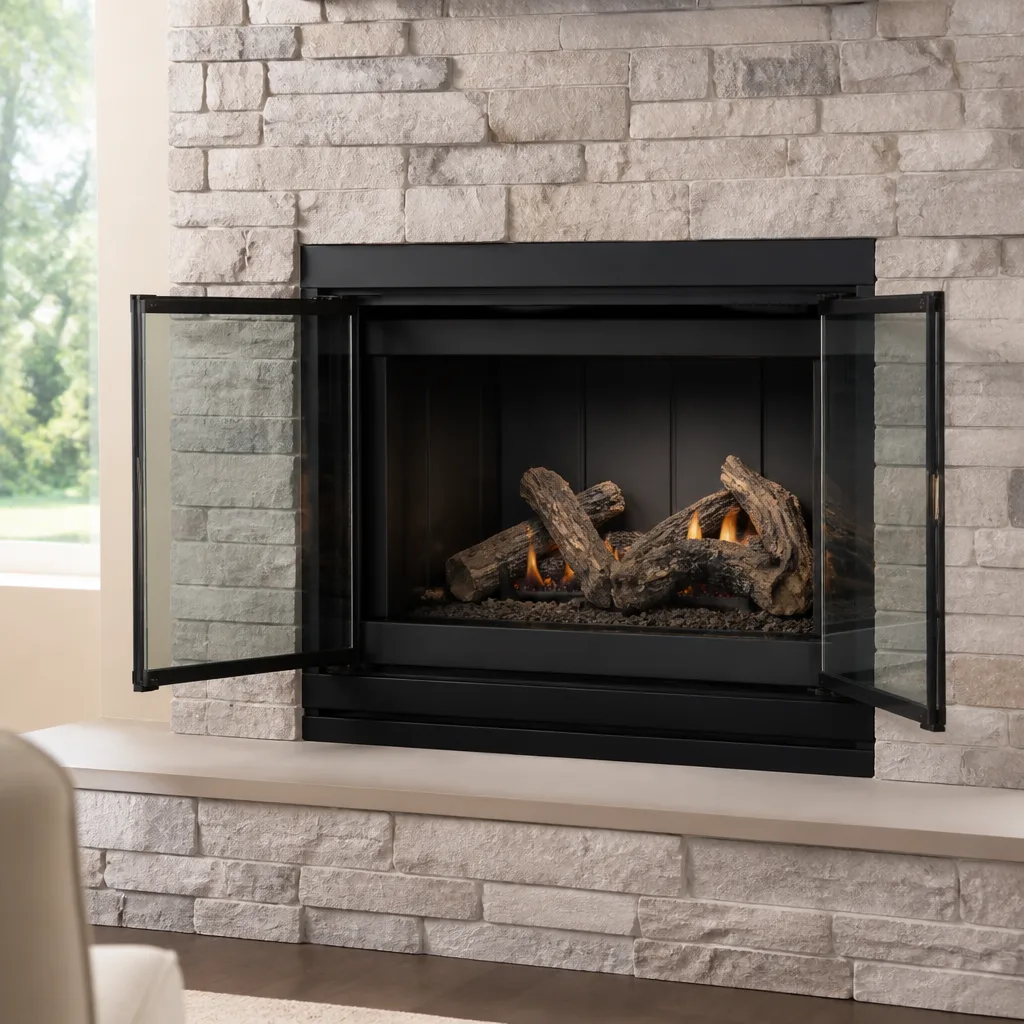 Gas fireplace service
Level 1 sweep and inspection to the NFPA 211 annual standard - flue, crown, cap, and flashing checked and photographed
Chimney sweep logs do not sweep chimneys. They loosen some creosote - which then falls where a brush and vacuum still have to collect it.
Choosing the Right Chimney Cleaning Brand: A Buyer’s Guide for Hollywood
A stainless steel chimney cap sounds like a stainless steel chimney cap, right up until you understand what separates one grade of steel from another in a place where humid air and driving rain work on metal year-round. The brands a chimney contractor reaches for tell you more about their expertise than the logo on the invoice ever will. Most homeowners never think to ask which liner system will go into their flue, which cap will sit on top of it, or whether the sealant holding the whole assembly together is rated for the job. This guide walks through the product categories that make up a real chimney service, the specs worth asking about in each, and the questions that separate a knowledgeable contractor from a smooth sales pitch.
Quick Answer
The right “brand” for a chimney job is less about a single name and more about whether the contractor uses professional-grade, industry-recognized product lines across all five categories: caps, liners, sealants and resurfacing, brushes, and inspection tools. In Hollywood, ask specifically about corrosion-resistant stainless for caps and liners, ceramic resurfacing systems like HeatShield for damaged flues, and whether the company stocks professional cap brands such as Gelco or Famco rather than sourcing generic parts from a general building supply store. A contractor who can explain why they chose a product, not just which one, is the one worth hiring.
Styles & brands we work with
- Sweep & inspection
- Caps & crowns
- Flue relining
- Masonry repair
- Gas fireplace service
Table of Contents
- The Five Product Categories That Make Up a Chimney Job
- Why Stainless Grade Matters in Hollywood’s Humid Climate
- Liner Brands and What Their Application Differences Mean for Your Repair
- HeatShield Resurfacing vs. Full Relining: Choosing the Right Scope
- How to Tell If a Contractor Actually Stocks Professional Products
- Questions to Ask That Separate Knowledge From Sales Talk
- What a Brand-Aware Inspection Report Should Show You
- Common Mistakes to Avoid
The Five Product Categories That Make Up a Chimney Job
When you hire a chimney sweep, a working chimney system involves more moving parts than most homeowners realize. Every job touches five distinct product categories, and each one has a professional tier that generalist contractors often skip. Knowing the categories helps you ask smarter questions.
1. Chimney caps and venting covers. A cap keeps rain, debris, and animals out of the flue while letting smoke escape. It’s the single most important piece of hardware on the roof for long-term chimney health, and the brand and material you choose determine how long it lasts. Gelco and Famco both make professional-grade caps designed to fit specific flue dimensions rather than one-size-fits-all hardware-store versions.
2. Liner systems. The liner is the flue’s inner pipe, and it’s what contains combustion gases and protects the surrounding structure. Flexible stainless systems like DuraFlex are designed to navigate older, offset, or irregular flue configurations that rigid pipe can’t follow. The liner is arguably the most consequential product decision in any chimney repair.
3. Resurfacing and sealants. Not every damaged flue needs a new liner. HeatShield ceramic resurfacing restores deteriorated clay tile from the inside, extending the life of the existing flue when the damage hasn’t gone too far. This is a specialty product that sweep-only companies rarely carry.
4. Brushes and sweeping tools. Brush material and stiffness should match the flue type: polypropylene for stainless liners, wire for masonry, and correctly sized heads for the flue’s dimensions. The wrong brush can scratch a liner.
5. Inspection tools. A proper inspection uses a camera and documentation system, not a flashlight and a guess. The output matters as much as the tool: a written report you can hand to an insurer or a buyer.
Chimney Sweep Hollywood works across all five categories, which is why we can name the specific product lines we install rather than describing them generically. In our experience, a contractor who can only speak to one or two of these five is likely handing off the rest of the job to someone else.
Why Stainless Grade Matters in Hollywood’s Humid Climate
Stainless steel isn’t a single material. It’s a family of alloys, and the two you’ll encounter most in chimney products are 304 and 316. The difference between them shows up over years, not days, which is exactly why it’s easy to overlook when you’re comparing bids.
Grade 304 stainless is the standard general-purpose alloy. It handles most inland environments well. Grade 316 adds molybdenum to the alloy, which improves resistance to chloride and moisture-driven corrosion. In a humid, rainy climate like Hollywood’s, where warm air holds moisture against metal for much of the year and afternoon storms are part of the seasonal rhythm, grade 316 is the more appropriate spec for caps, liners, and top plates. It costs more per foot, and a contractor who defaults to it without being asked has made a deliberate choice.
- Ask about the grade directly. “What stainless grade is this cap?” is a question that separates a knowledgeable contractor from one who orders whatever ships fastest.
- Look at the cap’s finish and seams. Welded seams in corrosion-resistant alloy outlast riveted or spot-welded construction.
- Consider the fasteners, too. Stainless hardware at the roof line matters as much as the cap itself; mismatched screws are a common failure point in humid climates.
- Ask about flashing material. The seal where the cap or chase meets the roof should use compatible metal, not a mixed-metal assembly that can corrode at the joint.
This is a small distinction with a long tail. A cap that rusts through in a humid climate lets water into the flue, and water damage is the most common and most expensive chimney problem we see. Choosing 316 stainless from the start is cheaper than fixing what a cheaper cap allows.
Liner Brands and What Their Application Differences Mean for Your Repair
Liner choice is where product knowledge matters most, because the flue configuration of each Hollywood home dictates which system will actually fit and work. Older homes around downtown Hollywood and along the neighborhoods near the Intracoastal often have offset flues, partial relines, or clay tile that’s been patched over time. Rigid liner systems struggle with these layouts. Flexible stainless systems like DuraFlex are engineered to follow the flue’s curves and offsets, which means more older Hollywood chimneys can be relined without major structural work.
The professional liner landscape also includes HeatShield, which isn’t a liner in the traditional sense but a ceramic resurfacing system that restores the existing flue from the inside. We’ll come back to that distinction in the next section because it changes the repair scope considerably.
Chimney Sweep Hollywood sources from DuraFlex, HeatShield, Olympia Chimney, and Copperfield, which are established names in the professional chimney trade. The point isn’t brand loyalty for its own sake. It’s that each of these lines has a specific application strength:
- Flexible stainless systems handle complex, offset, and older flue configurations that rigid pipe can’t navigate.
- Ceramic resurfacing systems restore damaged clay flues rather than replacing them.
- Professional supply lines such as Olympia Chimney and Copperfield provide the connectors, top plates, and accessories that keep a system properly assembled.
When you compare estimates, ask which specific system will be installed and why that system was chosen over another. If the answer is vague, the contractor may be choosing based on what’s available rather than what your flue needs.
HeatShield Resurfacing vs. Full Relining: Choosing the Right Scope
Most homeowners assume a damaged flue means a full liner replacement. Sometimes that’s true. Often it isn’t. HeatShield ceramic resurfacing restores the existing clay tile flue by applying a ceramic coating from the inside, effectively rebuilding the flue’s inner surface without removing it.
Here’s how to think about which option fits:
- Assess the damage first. A camera inspection shows whether the damage is surface-level cracking in the clay tile or a structural failure that compromises the flue’s integrity.
- If damage is limited to surface deterioration and the flue’s dimensions are intact, resurfacing may extend the flue’s life without a full reline.
- If the flue has major gaps, offsets that can’t be resurfaced, or tiles that have shifted, a full flexible liner system like DuraFlex is likely the correct scope.
- If the flue is serving a gas insert or a modern appliance, the venting spec may require a full liner regardless of tile condition.
The reason we emphasize this is simple. HeatShield resurfacing can save you the cost of a full reline, and we’ll tell you honestly which one you actually need. We’re not aware of many Hollywood contractors who stock or install ceramic resurfacing at all, which means homeowners may be quoted a full liner when a resurfacing would have been appropriate. That’s the kind of decision worth asking about explicitly.
Whatever scope is proposed, it should be backed by camera footage you can see for yourself, and it should be written into the inspection report. If the recommendation is resurfacing, ask what condition threshold the flue passed to qualify. If it’s a full reline, ask why resurfacing isn’t viable. Either answer should be clear and specific.
How to Tell If a Contractor Actually Stocks Professional Products
Professional-grade chimney products aren’t sold at general building supply stores in the sizes and specs a chimney job needs. They come through specialist supply lines. A contractor who “uses professional products” without naming them may be sourcing from general building supply and dressing it up in the estimate.
Here’s how to tell the difference during a consultation:
- They name the product lines. Gelco, Famco, DuraFlex, HeatShield, Olympia Chimney, and Copperfield are recognizable professional names. A contractor who uses them will usually say so, and be able to explain why.
- They know the specs. Ask what grade of stainless is used and why. Ask what brush material goes into a stainless liner. Ask what ceiling temperature rating the connector needs. A professional will answer without looking it up.
- They quote the product by name in the written estimate. A line item that says “stainless liner” is weaker than one that specifies the system, grade, and configuration.
- They can explain the failure path. If a product failed, what was the likely cause? A contractor who has installed the line before will describe it; one who sources from a general supplier may not.
- They’re honest about what they don’t install. A chimney specialist should say plainly what’s in scope and what isn’t, rather than agreeing to anything.
In our experience, the easiest single question is: “Which cap brand do you install, and why that one?” A contractor who answers with a specific brand and a reason is sourcing through professional supply. A contractor who says “whatever’s in stock” is telling you something useful about the rest of the job too.
Questions to Ask That Separate Knowledge From Sales Talk
You don’t need to become a chimney expert to spot the difference. You need a short list of questions whose answers can’t be faked. Here are the ones we’d suggest Hollywood homeowners ask before booking any sweep or repair:
- “What stainless grade will be used for the cap and liner, and why?” The correct answer acknowledges the difference between 304 and 316, and usually recommends 316 for South Florida’s humidity.
- “Which product lines do you install?” Look for named professional lines. General answers suggest general sourcing.
- “Is resurfacing an option for my flue, or only a full reline?” If the contractor can’t install resurfacing, that option won’t appear in the estimate.
- “Will the inspection be documented in writing, with photos or video?” The inspection report is only as useful as its documentation. Ask to see a sample.
- “Can you show me where the damage is?” Camera evidence should be visible to you, not described secondhand.
- “What’s out of scope for your company?” A chimney specialist will name HVAC, roofing, and general masonry as out of scope, which is exactly what you want to hear.
- “What happens if the repair reveals something different once the flue is opened up?” A clear answer here tells you the company plans for contingencies instead of upselling on the spot.
The pattern to watch for is a contractor who can name the product but can’t explain the reasoning, or who explains the reasoning without being able to name the product. Real expertise shows up as both, delivered without theater.
What a Brand-Aware Inspection Report Should Show You
The inspection report is where all the product talk gets translated into something you can use. A camera inspection and photo report belong in the estimate from the start, not as an add-on. The report should include:
- The flue’s current condition, described in plain terms with photos or video of each area inspected.
- The specific repair options, each with a written rationale that names the product and explains why it fits.
- The recommended timeline, including honest guidance about what can safely wait and what shouldn’t.
- Documentation suitable for insurance, real-estate disclosure, or warranty purposes.
We document every inspection in writing so you have something to show your insurer, your buyer, or yourself. That’s the value of a documented inspection: you’re not relying on a verbal description of what someone saw. If a report recommends thousands of dollars of liner or masonry work and you have no way to verify it, the report isn’t doing its job. Ask for camera evidence and see it before you decide.
The same report is useful when you’re selling a home in Hollywood, when your insurer asks for documentation of your chimney’s condition, or when you’re preparing for the start of burning season. In all three cases, a written report that names the products and shows the condition is more valuable than a verbal summary.
Common Mistakes to Avoid
- Hiring a sweep-only company for a repair job. A sweep who hands off the repair work to someone else can’t stand behind the whole job, and the trade-off shows up in the hand-off between crews.
- Accepting “stainless” without a grade. The word alone says nothing. In Hollywood’s humid climate, the grade is the part that determines how long the cap and liner actually last.
- Letting a contractor skip the cap. A cap is not optional. It’s the first line of defense against moisture damage and animal intrusion, and the most common cause of chimney water damage is a missing or failed cap.
- Choosing the lowest estimate without knowing what’s in it. A bid that names no products and specifies no grade is hard to compare against one that does. Compare scope and materials, not just totals.
- Assuming a full reline is the only repair option. HeatShield resurfacing can save you the cost of a full reline when the damage hasn’t compromised the flue’s integrity.
- Skipping the written inspection report. The report is the record. Without it, you have no way to verify the recommendation or prove the chimney’s condition later.
- Waiting until burning season to book. Booked sweeps are planned, not urgent. Getting the inspection done before the first burn gives you time to decide on any repair without pressure.
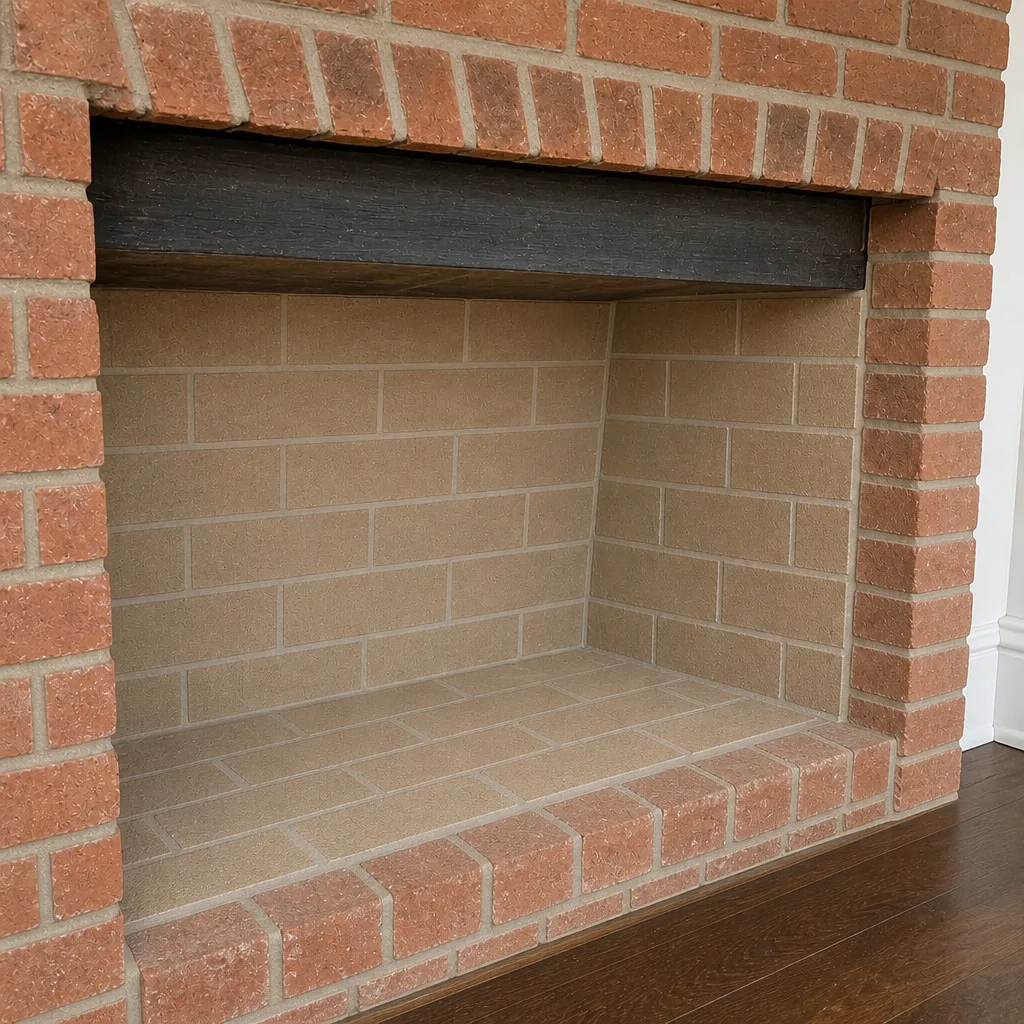
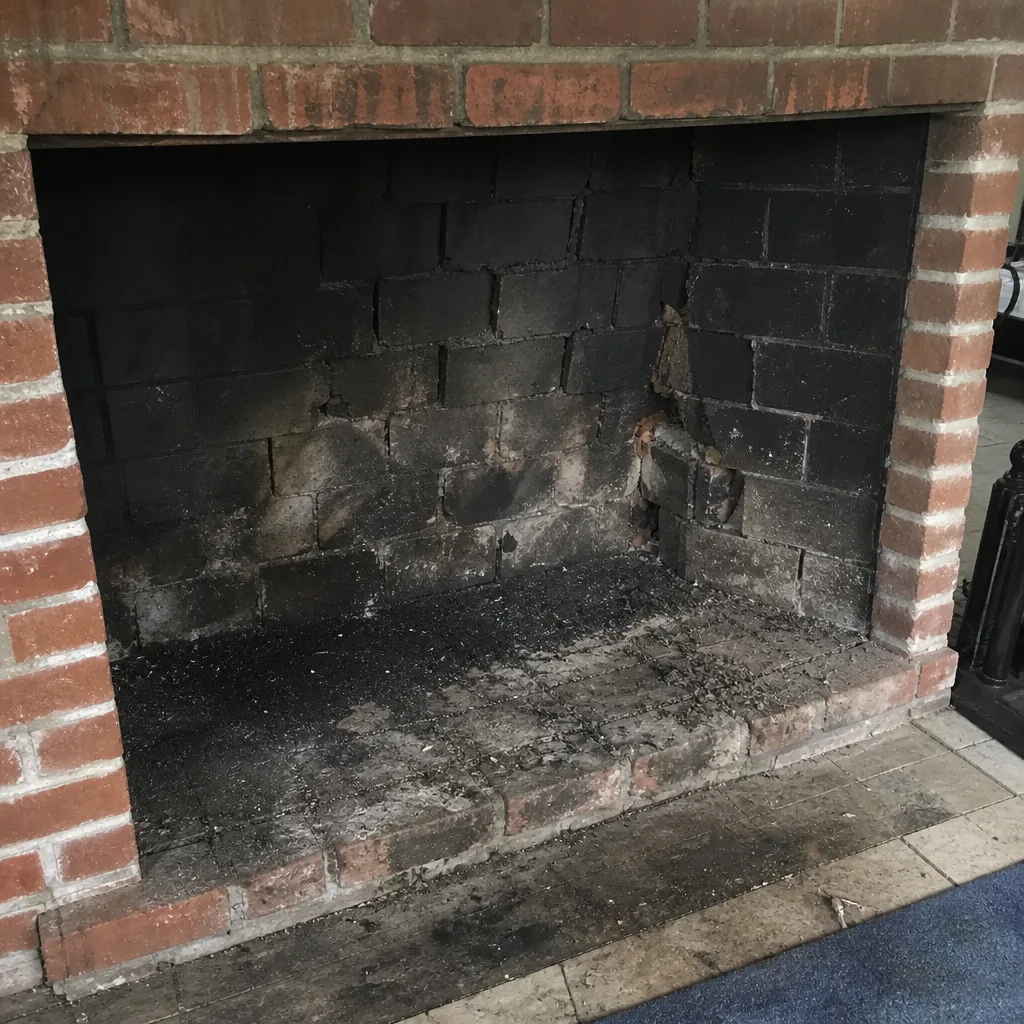
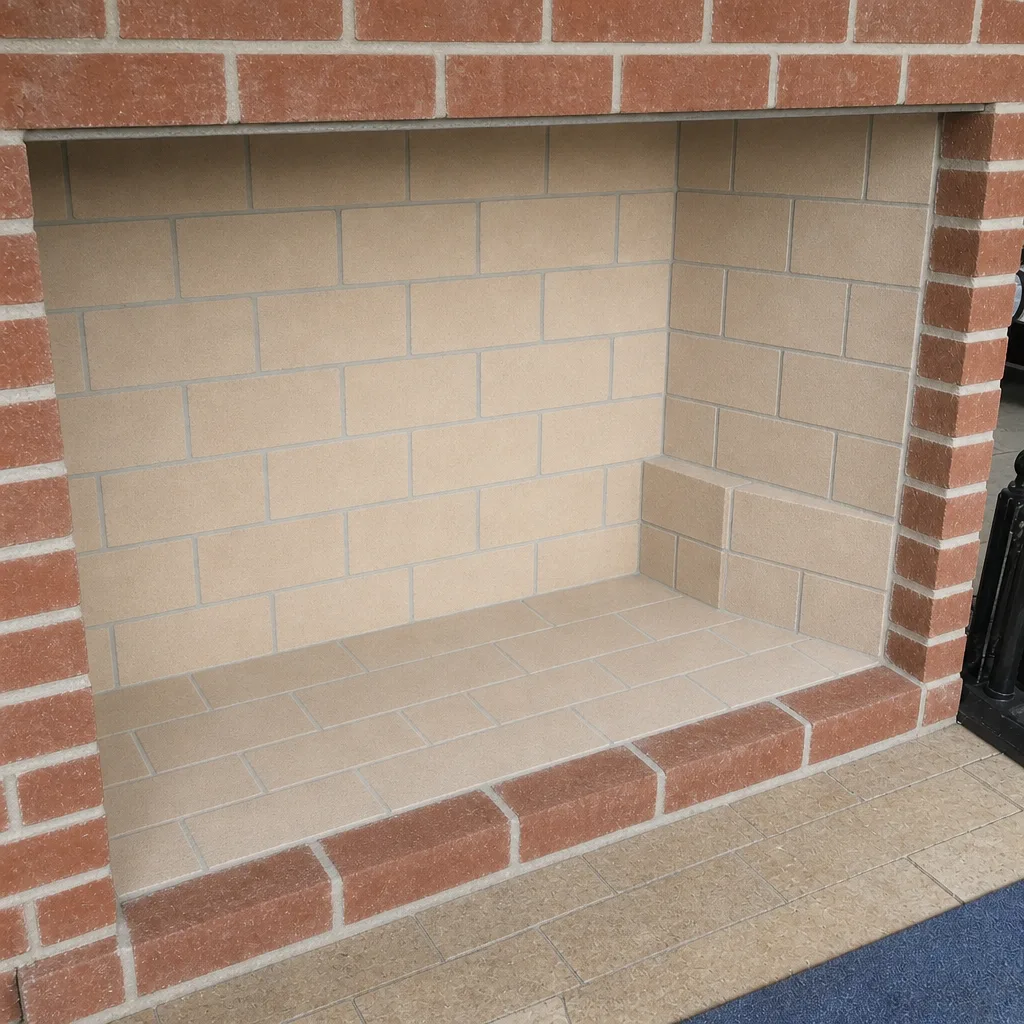
See the difference
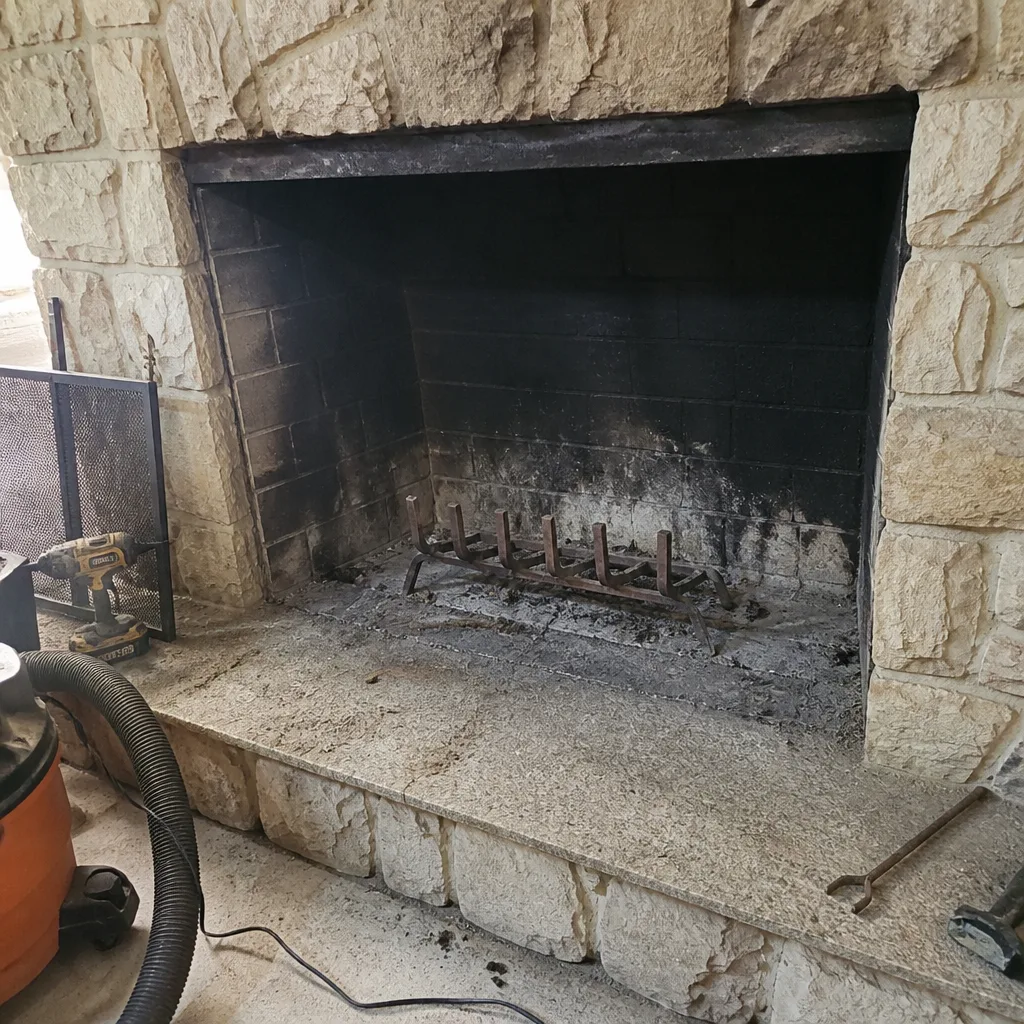 Before
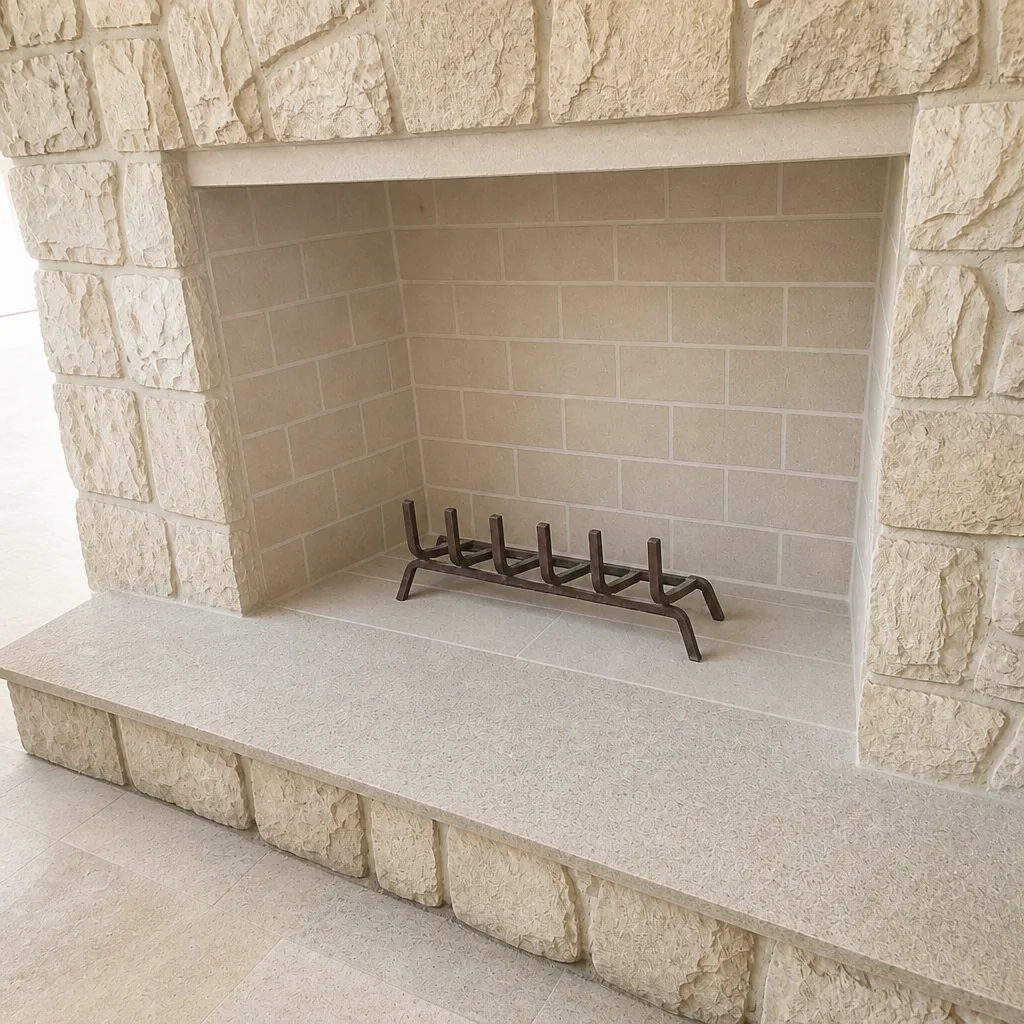 After
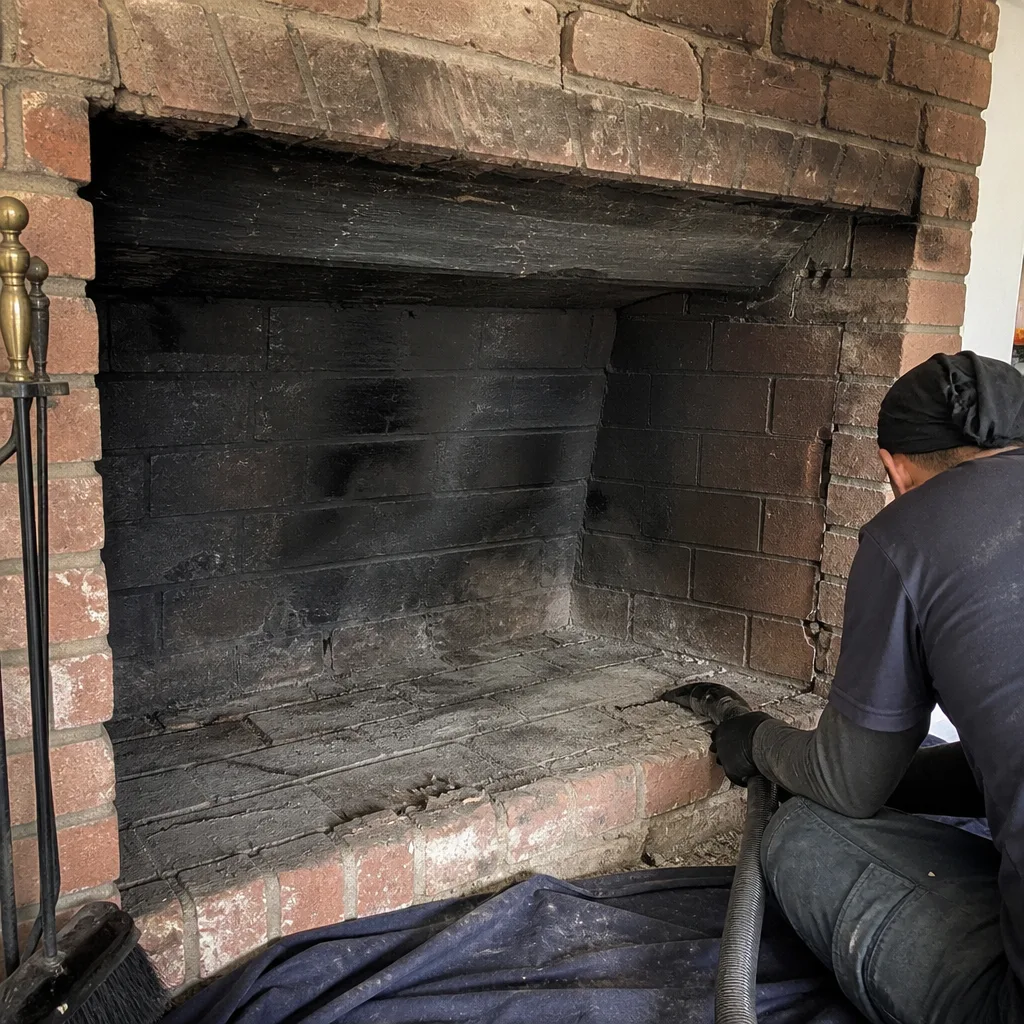 Before
 After
 Before
 After
When to Call a Professional
Some chimney work is routine and can be planned. Some shouldn’t wait. Book a professional sweep and inspection if you’ve been burning regularly and it’s been a while since the last sweep, if you notice smoke coming back into the room, if you smell a strong creosote odor on warm days, or if your insurer or a home sale requires documented condition of the flue. Call sooner if you see visible damage to the cap, water staining on the ceiling near the chimney, or if a gas appliance has been venting through an unlined or damaged flue.
Chimney fires and carbon monoxide exposure are real risks when a flue is heavily creosoted or structurally compromised, and those risks are why a planned inspection matters even when nothing seems wrong. High-tension components and electrical work inside a chimney system should never be handled by a homeowner. Chimney Sweep Hollywood offers free estimates in Hollywood. Call (833) 974-6567. We answer 24/7. Fast dispatch from 7am to 7pm, Sunday through Friday, closed Saturday.
Frequently Asked Questions
Reputable chimney contractors typically use professional-grade lines across caps (Gelco and Famco are common), flexible liners (DuraFlex), ceramic resurfacing (HeatShield), and general chimney supplies (Olympia Chimney and Copperfield). The brand matters less than whether the contractor can name the products, explain why each was chosen, and specify them in the written estimate.
Yes, for this climate. Grade 316 stainless adds molybdenum, which improves resistance to chloride and moisture-driven corrosion – and Hollywood’s warm, humid air and afternoon storms put metal on the roof to work year-round. Grade 304 is standard general-purpose alloy and handles inland environments, but the extra corrosion resistance of 316 is a better long-term fit here.
It depends on the flue’s condition. HeatShield ceramic resurfacing restores deteriorated clay tile from the inside when the damage is surface-level, which can save you the cost of a full reline. If the flue has shifted tiles, major gaps, or an offset that can’t be resurfaced, a full flexible liner like DuraFlex is usually the right scope. A camera inspection is the only reliable way to tell which one applies.
Most wood-burning fireplaces benefit from a sweep and inspection once a year, and gas appliances should be checked on the same cycle to confirm venting is intact. If you burn frequently, or if the firebox has heavy creosote buildup, sweep sooner. A written inspection gives you the evidence to plan the next visit instead of guessing.
Creosote accumulates in the flue over time, and heavy buildup is the fuel source for a chimney fire – a hazard, not a hypothetical, when the flue is compromised or blocked. Carbon monoxide can also back up if the flue’s draft is obstructed. Neither is likely to announce itself, which is why a documented inspection matters.
Yes. Chimney Sweep Hollywood documents every inspection in writing with photos or video, and the report is formatted to support insurance renewal, real-estate disclosure, and warranty documentation. Call (833) 974-6567 for an exact quote on any recommended repair – estimates are free.
The Bottom Line
The brands a chimney contractor chooses tell you how they think about the job. Professional product lines, the right stainless grade for the climate, access to resurfacing as well as relining, and written documentation aren’t selling points – they’re what separates a specialist from a generalist. Hollywood homeowners don’t need to memorize the specs, but they should ask about them. A contractor who can name the products, explain the reasoning, and show the evidence is worth hiring. Sweep. Inspect. Repair. All three. One company. For any of it, call (833) 974-6567. We answer 24/7. Fast dispatch from 7am to 7pm, Sunday through Friday, closed Saturday.
Written by the team at Chimney Sweep Hollywood.