
Last updated November 15, 2026
 Sweep & inspection
 Caps & crowns
 Flue relining
 Masonry repair
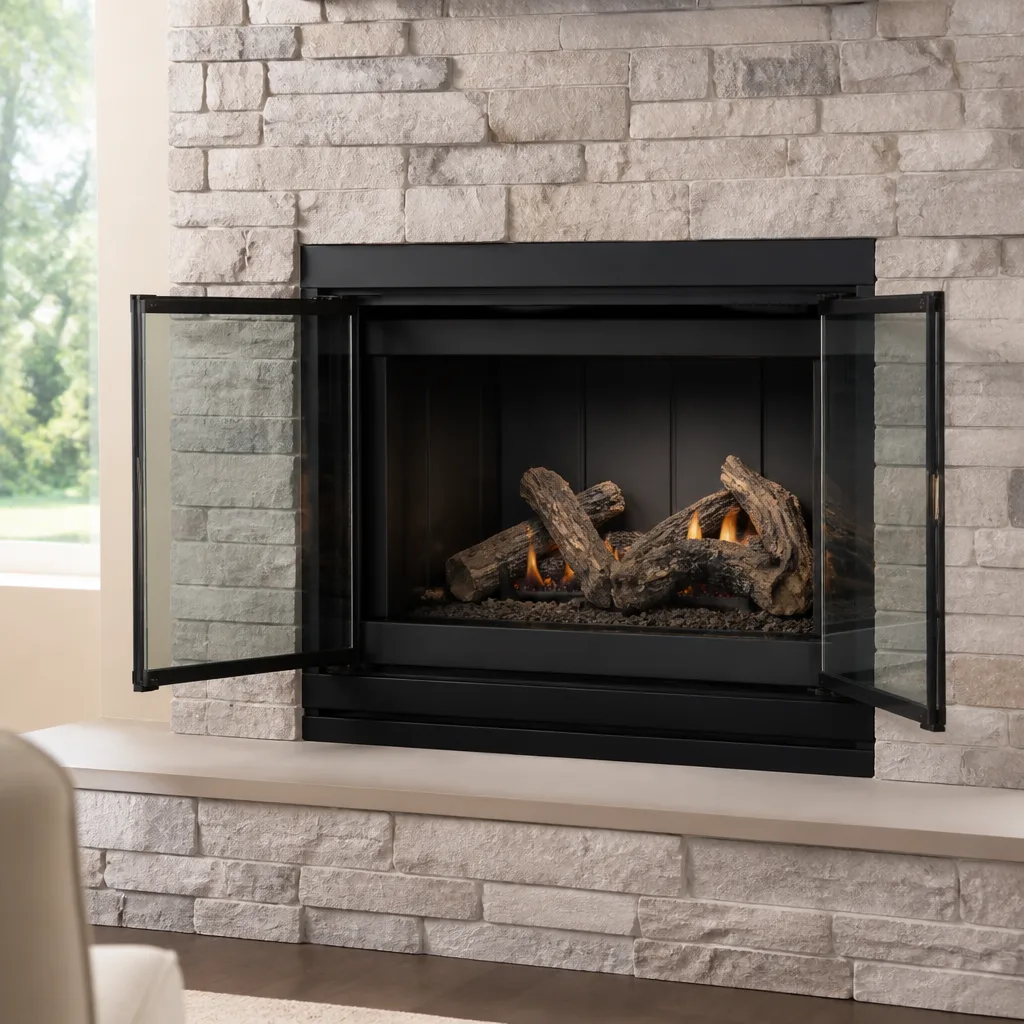 Gas fireplace service
Level 1 sweep and inspection to the NFPA 211 annual standard - flue, crown, cap, and flashing checked and photographed
Chimney sweep logs do not sweep chimneys. They loosen some creosote - which then falls where a brush and vacuum still have to collect it.
Chimney Cleaning Cost Breakdown: The Hollywood Homeowner’s Reference for 2026
The $89 chimney sweep on a coupon mailer and the $350 quote from a specialist rarely describe the same job. One covers a quick brushing of whatever flue the brush can reach. The other covers camera inspection, written documentation, and a scope of work built to meet NFPA 211 standards. Homeowners in Hollywood compare these numbers side by side every burning season and walk away confused because the industry almost never publishes what’s actually inside a base price. This guide breaks the numbers apart by service type, so you know what you’re buying before anyone knocks on your door.
Quick Answer
A standard chimney cleaning in Hollywood typically runs $150 to $300 depending on flue accessibility and how much creosote has built up. A Level 2 inspection with camera documentation usually adds $150 to $400 on top of the sweep, and common repairs like cap replacement or liner resurfacing fall in the $250 to $4,000 range depending on scope. The written estimate you receive after the inspection sets the final price, not the number quoted over the phone.
Styles & brands we work with
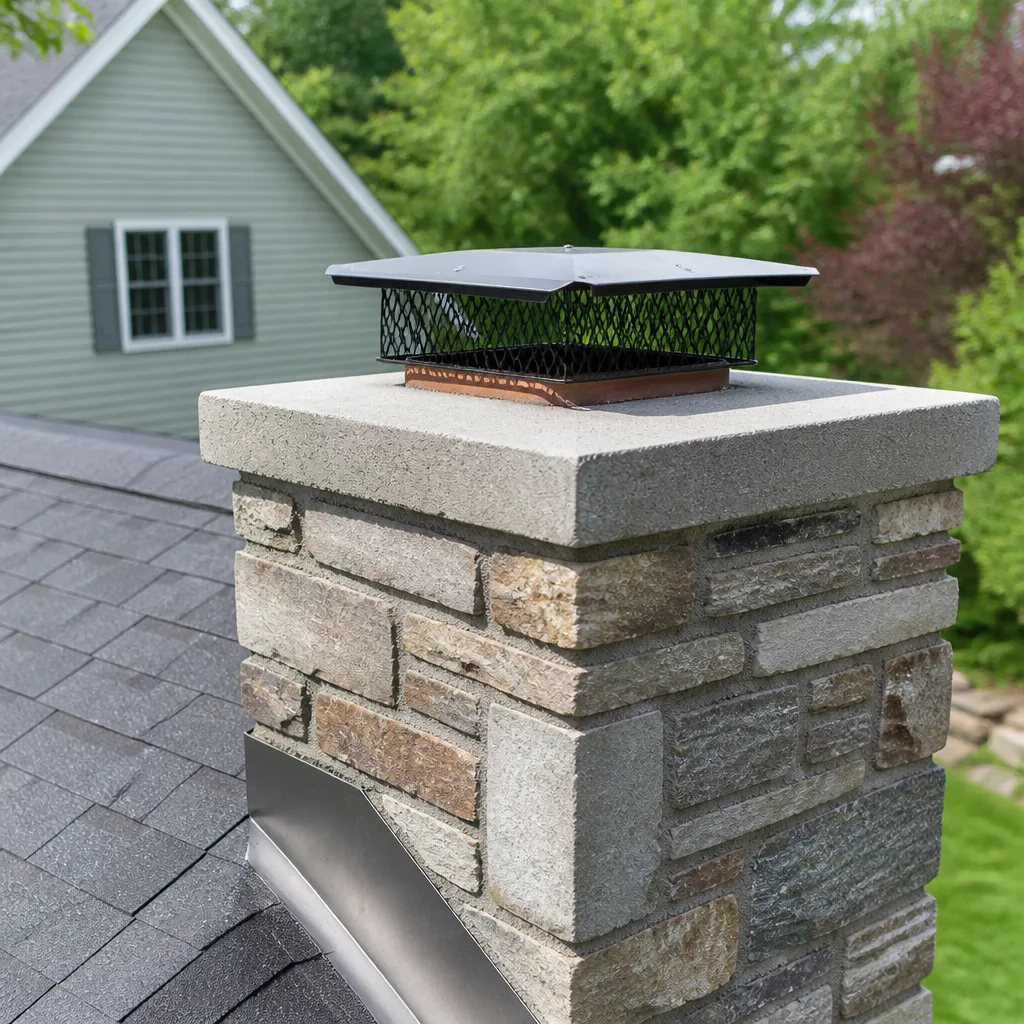
- Sweep & inspection
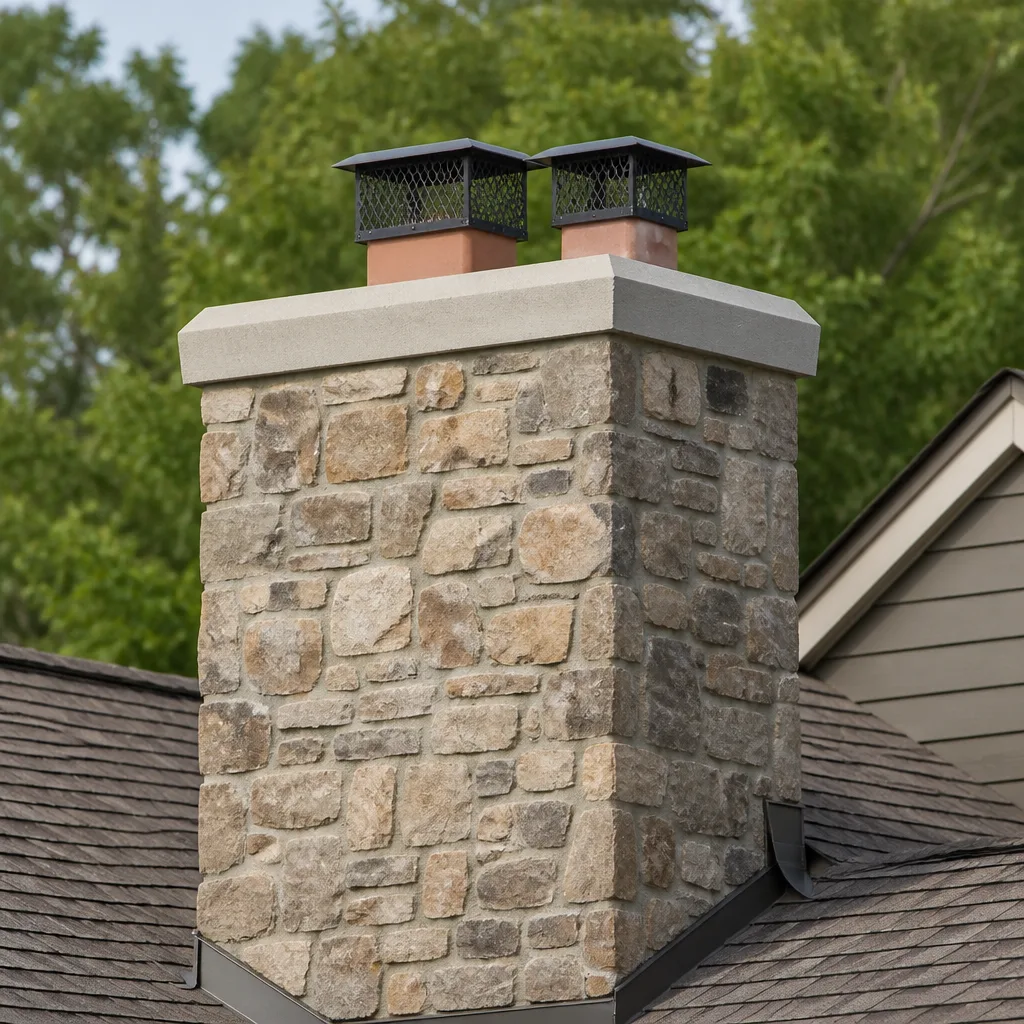
- Caps & crowns
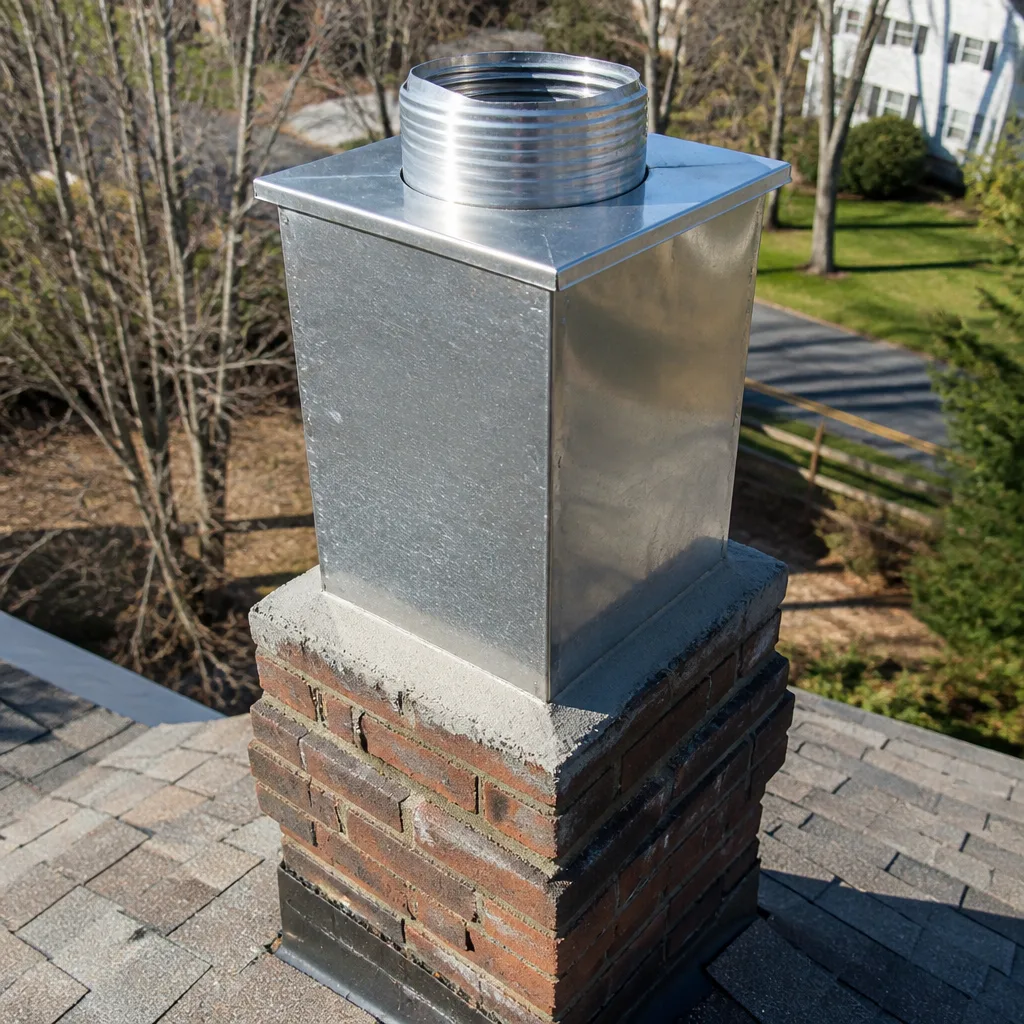
- Flue relining
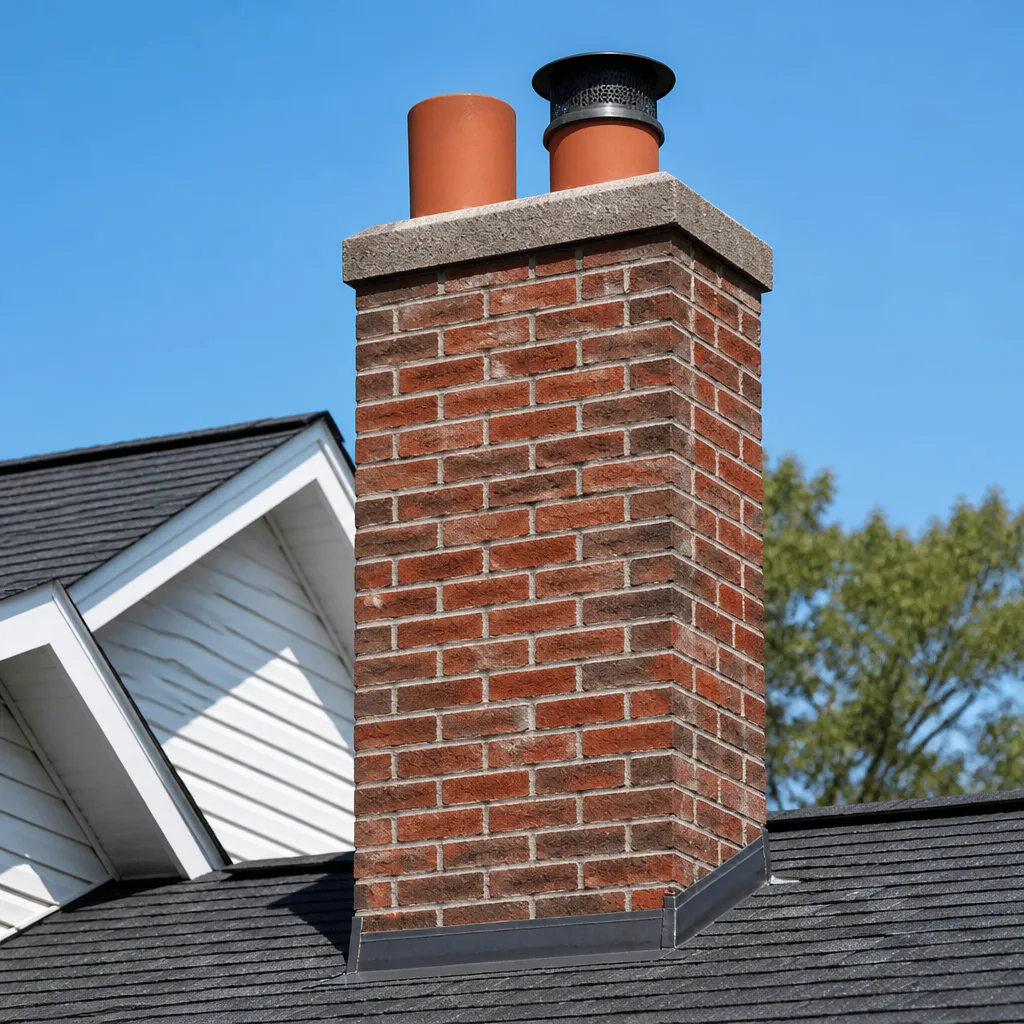
- Masonry repair
- Gas fireplace service
Table of Contents
- What Actually Goes Into a Chimney Cleaning Price
- Current Hollywood Cleaning Price Ranges for 2026
- Level 1, Level 2, and Level 3 Inspections: What Each Costs and Covers
- Why Low-Use Chimneys Sometimes Cost More to Service
- Cap Replacement and Liner Repair Pricing
- Add-Ons That Are Necessary vs. Add-Ons That Inflate the Invoice
- How to Use a Written Scope of Work to Hold a Contractor to the Quote
- Side-by-Side Comparison of Service Tiers
What Actually Goes Into a Chimney Cleaning Price
A chimney cleaning price is built from three parts: labor, tooling, and documentation. Labor covers the time a technician spends on the roof and at the firebox, which varies widely based on how many flues the chimney has and whether the flue is straight or has an offset. Tooling covers the brushes, rods, and vacuum equipment, and a shop that runs proper containment is more expensive to operate than one that sends a brush up a flue and sweeps the soot into your living room. Documentation is the third piece, and it’s the one homeowners most often underestimate.
A proper cleaning in Hollywood includes a written report on what was found. Not a verbal “you’re all set” at the door. A written record with notes on creosote staging, visible obstructions, cap condition, and any signs of moisture damage. That document is what your insurer, your buyer, or your own future self relies on when a question comes up later.
Here’s what typically falls inside a standard cleaning versus what gets billed separately:
- Included in a standard cleaning: brushing the accessible flue, vacuuming the firebox, cleaning the smoke shelf and damper area, a basic visual check of the firebox and cap, and a written summary of findings.
- Typically billed separately: video camera inspection of the full flue (Level 2), creosote removal at Stage 3 (glazed or hardened deposits that resist standard brushes), cap replacement, liner repair, crown repair, and any masonry work around the firebox.
If a quote for a cleaning lands far below what others have told you, the most likely explanation is that it covers only the first category. The line-item breakdown is where you see which service you’re actually buying. Ask for it in writing, and if a provider won’t send it, that’s your answer.
Current Hollywood Cleaning Price Ranges for 2026
Chimney cleaning in Hollywood typically costs between $150 and $300 for a standard single-flue cleaning, and up to $450 or more when the job involves multiple flues, heavy creosote buildup, or a difficult roof access point. Those are typical ranges for the current market, and the final price comes down to what the technician actually finds.
The South Florida climate changes what a sweep involves compared to what a homeowner might read in a cold-climate guide. Winters here are mild, which means fireplaces tend to burn less often and the creosote layers build more slowly. But the warm, humid air most of the year also encourages moisture intrusion when caps are missing or crowns are cracked. A flue that sat unused for two or three seasons in a Hollywood home often has more obstruction from nesting birds or decayed liner material than it does from creosote. That shifts the labor profile.
Rough breakdown by scenario:
- Routine annual cleaning, single flue, good cap: $150 to $200
- Cleaning with heavy creosote or debris obstruction: $200 to $300
- Multi-flue cleaning or difficult roof access: $250 to $450
- Cleaning combined with a Level 2 inspection: $300 to $650 total
Homes in older Hollywood neighborhoods often have masonry chimneys built decades ago, and the flue tiles inside may be spalling or offset in ways that make cleaning a slower job. Newer construction tends to use prefabricated metal fireplaces or gas inserts, which cost less to clean but sometimes require liner-specific attention. If you want to understand how those different construction types affect the sweep before you book, our chimney sweep page walks through the process step by step.
Level 1, Level 2, and Level 3 Inspections: What Each Costs and Covers
Chimney inspections come in three levels, and each answers a different question. Level 1 is a visual check of accessible parts, usually included with a cleaning. Level 2 adds a video camera scan of the entire flue interior, essential when a property changes hands or a liner condition is in question. Level 3 involves opening walls or removing parts of the chimney structure and is only done when Level 1 or Level 2 findings make it necessary.
Pricing for each level in the Hollywood area:
- Level 1 inspection: $75 to $150. A visual review of the firebox, damper, accessible flue, and cap, usually bundled with a cleaning.
- Level 2 inspection with camera: $150 to $400 as a standalone, sometimes less when added to a scheduled cleaning. This is the one insurance companies and real-estate transactions usually ask for.
- Level 3 inspection: $500 to $2,000+, depending on how much of the chimney needs to be opened up to see the problem area.
The Level 2 is the most misunderstood tier. Homeowners sometimes skip it because they’ve had an annual cleaning, but a cleaning and a camera inspection answer different questions. The sweep clears the flue. The camera documents the condition of the liner, the joints, and the interior surfaces. If you’re renewing insurance, selling a home, or simply want proof that nothing has weakened inside the flue, the camera scan is what produces that proof.
We document every inspection in writing. Notes on the flue condition, the cap, the damper, any moisture intrusion, and the recommended scope of work. The report is designed to be handed to an insurer, a buyer’s inspector, or filed with your own records. That’s the deliverable a Level 2 is paying for, not just a snoop with a flashlight.
Why Low-Use Chimneys Sometimes Cost More to Service
Homeowners are often surprised to learn that a fireplace used twice a year can cost more to clean than one that burns regularly. The reason is what happens inside an unattended flue. A chimney that sits unused for seasons at a time becomes a favorite spot for birds, squirrels, and insects, and nests built inside a flue do not clear with a standard brushing pass. The technician has to remove the material carefully, inspect for damage the animal left behind, and sometimes run a camera to make sure the flue lining survived the intrusion.
The other factor is moisture. A flue that isn’t used doesn’t dry out from regular heat, so humidity lingers and deteriorates the mortar joints between flue tiles. Over enough time, that slow moisture damage can loosen tiles, which then need repair before the flue is safe. Those repairs bill separately from the cleaning, and combined they can push a low-use chimney well past the cost of a well-maintained one.
A Hollywood home that sits empty during the summer months or has a fireplace the previous owner never used is a classic candidate for this scenario. Signs to watch for:
- Scratching, chirping, or fluttering sounds from the chimney, especially in season when birds nest.
- A musty or smoky smell from the firebox even when nothing is burning.
- Debris visible at the bottom of the firebox after a heavy rain, which suggests the cap is failing.
- Visible staining on the chimney exterior near the top, which can point to water getting into the crown.
When any of these show up, the cleaning becomes a diagnostic job as much as a sweep. Camera inspection is what separates an honest recommendation from a guess, and it’s why we never quote a repair on a low-use flue without evidence the homeowner can see.
Cap Replacement and Liner Repair Pricing
Cap replacement in the Hollywood area typically runs $250 to $600 installed, depending on chimney size and cap style, while liner repair ranges from $800 to $4,000 depending on whether the flue needs resurfacing or full relining. These are the two repairs most often recommended after a sweep, and they’re also the two most commonly quoted without proper evidence.
The cap is the first line of defense against everything that damages a chimney between burns. Rain, humidity, nesting animals, and debris all enter through an uncapped flue, and once moisture is inside, the damage compounds. We stock and install Gelco and Famco caps, the two brands that handle moisture and animal exclusion reliably. A cap installed correctly and sized to the flue opening is the single most effective way to prevent the repair costs that show up two seasons down the road. For a full explanation of what cap installation involves and when it’s needed, our chimney repair page covers the range of fixes we handle.
Liner repair has two broad approaches:
- Resurfacing: A ceramic material is applied to the interior of the existing flue to seal cracks and restore a smooth surface. This is appropriate when the original flue lining is intact but the surface has deteriorated. HeatShield is the product we use for this, and it costs significantly less than a full reline. It also extends the useful life of the original flue rather than replacing it.
- Full relining: A flexible or rigid liner is installed inside the flue. This is the right call when the original lining has failed structurally, when the flue has offsets or an irregular shape that a rigid liner can’t handle, or when the appliance has been upgraded to one the original flue wasn’t sized for. DuraFlex flexible liner systems can navigate offsets and older configurations that rigid systems can’t.
We use HeatShield resurfacing where it will actually solve the problem, and we tell homeowners plainly when a full reline is what’s needed. Choosing resurfacing when a reline is required puts the flue back in service with a problem still inside it, and choosing a reline when resurfacing would do costs the homeowner thousands they didn’t need to spend. The camera evidence makes the right answer visible to anyone looking at it.
Add-Ons That Are Necessary vs. Add-Ons That Inflate the Invoice
Some add-ons belong in the quote, and some are padding. The difference is whether the camera shows a condition that makes the add-on necessary. A crown repair because the crown is cracked is a legitimate item. A crown sealant applied to a crown in good condition because the technician says it’s “preventive” is a line item that should come off the invoice unless the homeowner specifically requested it.
Here’s how we’d sort them if it were our own house:
Genuinely necessary when the evidence supports them
- Chimney cap installation if the flue is uncapped or the existing cap is broken, rusted through, or sized wrong. This is not optional on a wood-burning chimney in Hollywood, where afternoon thunderstorms and animal intrusion both take a toll on an open flue.
- Crown repair when the concrete crown at the top of the chimney has cracked or separated from the flue. Water entering through a failed crown is a leading cause of the interior damage that later makes a reline necessary.
- Stage 3 creosote removal when glazed, hardened deposits are present. Glazed creosote is genuinely hazardous and standard brushes won’t remove it. This is a safety item, not an upgrade.
- Liner repair or resurfacing when the camera shows cracks, gaps, or deteriorated lining that the appliance exhaust can pass through.
Commonly offered, often unnecessary
- Chemical creosote treatments on a flue with light, powdery Stage 1 creosote that a brush already clears.
- Full liner replacement when resurfacing would meet the same standard. Ask what evidence rules out resurfacing.
- Multi-year “maintenance packages” that commit you to future services before you know what your chimney will actually need. Pay for the current inspection, review the findings, and decide on the next step from there.
- Crown coatings or sealants on a crown that is intact and watertight. Ask to see the crack.
The right question for any add-on is: “Show me the camera footage.” If the technician can point to the problem on screen, the add-on is real. If the recommendation is based on a verbal description, ask for the footage before agreeing to anything. Nothing we recommend is based on a hunch, and nothing goes on the invoice that a homeowner hasn’t seen with their own eyes.
How to Use a Written Scope of Work to Hold a Contractor to the Quote
A written scope of work is the single most useful document in a chimney job. It lists what will be done, what materials will be used, and what the final price will be. Without one, the verbal quote you received at the door and the invoice you get at the end may not match, and your ability to push back relies entirely on memory.
Follow these steps when you receive a scope:
- Read the itemized list before agreeing to any work. Each service should appear as its own line: cleaning, inspection, cap, crown repair, liner work, and materials. A single lump-sum number hides what’s actually being charged.
- Match the scope to the inspection findings. Every repair on the estimate should correspond to a specific condition documented in the inspection report or the camera footage. If a repair is listed and the finding isn’t, ask which is wrong.
- Check the materials named. A scope that says “chimney cap” is weaker than one that says “Gelco multi-flue cap, sized to flue opening.” A proper scope names the product line and the sizing. We name the brands we use because the materials matter as much as the labor, and Olympia Chimney and Copperfield components are the ones professional trades source for a reason.
- Confirm the price is the price. The written estimate sets the final price. If a contractor tells you at the end of the job that the cost went up because the work was harder than expected, you have a documented quote to point back to. If a legitimate surprise turned up mid-job, the scope should have a stated process for approving additional work in writing before it’s done.
- Keep the report and the scope together. The Level 2 report is only useful when paired with the scope of work that says what was done about the findings. Both go to your insurer, your buyer, or your warranty file.
None of this requires technical knowledge. It requires a contractor willing to put specifics in writing and answer questions about them. That’s the test of whether a company is being honest with you or just running through a routine.
Side-by-Side Comparison of Service Tiers
Laying the three main service packages side by side makes the price jumps easier to interpret. Each tier adds a specific layer of documentation and diagnostic coverage, not just more time on the roof.
| Service | Typical Hollywood Range | What It Covers | Best For |
|---|---|---|---|
| Basic cleaning | $150 to $300 | Brush and vacuum, firebox and damper check, written summary | Annual maintenance on a well-kept flue |
| Cleaning + Level 2 inspection | $300 to $650 | Full cleaning plus video camera scan, written inspection report with photos | Insurance renewal, home sale, first-time inspection in a new home |
| Cleaning + Level 2 + cap replacement | $450 to $900 | The above plus a properly sized Gelco or Famco cap installed | Uncapped flues, damaged or missing caps, flues exposed to moisture |
| Liner resurfacing | $1,200 to $2,500 | HeatShield ceramic resurfacing of a deteriorated but structurally intact flue | Cracked lining where a full reline isn’t needed |
| Full liner installation | $2,500 to $5,000+ | DuraFlex flexible liner installation, sized to the appliance | Failed lining, offset flues, appliance upgrades the original flue can’t handle |
Every number in that table is an estimate. The written scope after inspection sets the actual price, and if the scope comes in higher than the range you expected, the camera footage is what justifies the difference. Our team serves Hollywood and surrounding areas, and we’re happy to walk through those tiers with you on the phone before anyone is scheduled.
Common Mistakes to Avoid
- Comparing a coupon price to a full-service quote. A $79 sweep and a $350 inspection-included service are not competing for the same job. Compare scope, not headline price, before deciding.
- Skipping the camera inspection on a property you just bought. A visual check can’t see inside the flue. In a Hollywood home with an aging masonry chimney, the liner condition is what matters most and only a Level 2 shows it.
- Letting a repair be quoted verbally. A recommendation without a written scope and supporting camera footage is unverifiable. Ask for both before agreeing to anything.
- Assuming a low-use fireplace doesn’t need inspecting. An idle flue is the one most likely to have nesting debris or hidden moisture damage. The less it burns, the more important the check.
- Buying a multi-year service package before the first inspection. You don’t know what your chimney will need yet. Pay for the current scope, decide once you have the evidence.
- Going without a cap. An uncapped flue in a humid climate invites moisture, animals, and debris. A correctly sized cap is the least expensive insurance available.
- Hiring a generalist to do chimney work. The trade has its own standards, its own camera equipment, and its own recognized materials. A handyman with a brush is not the same service as a chimney specialist, even when the invoice looks similar.
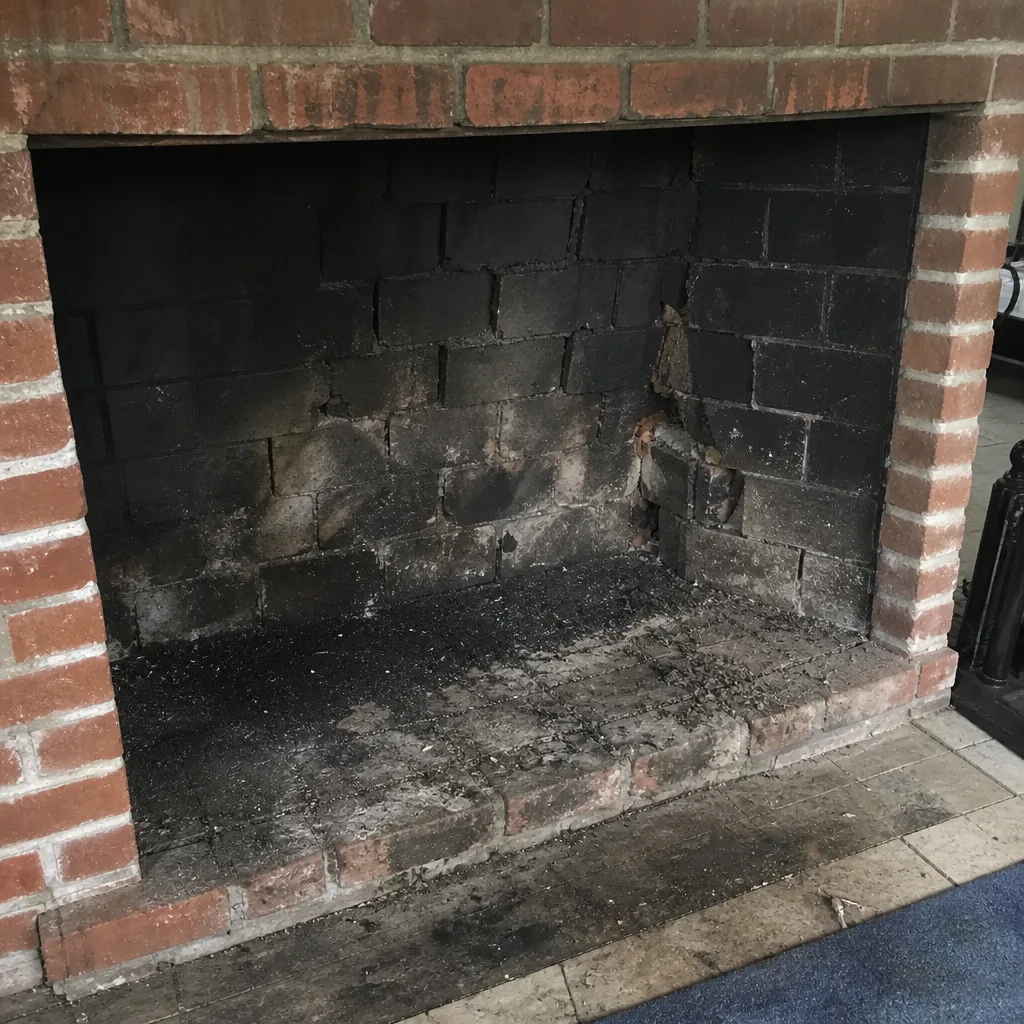
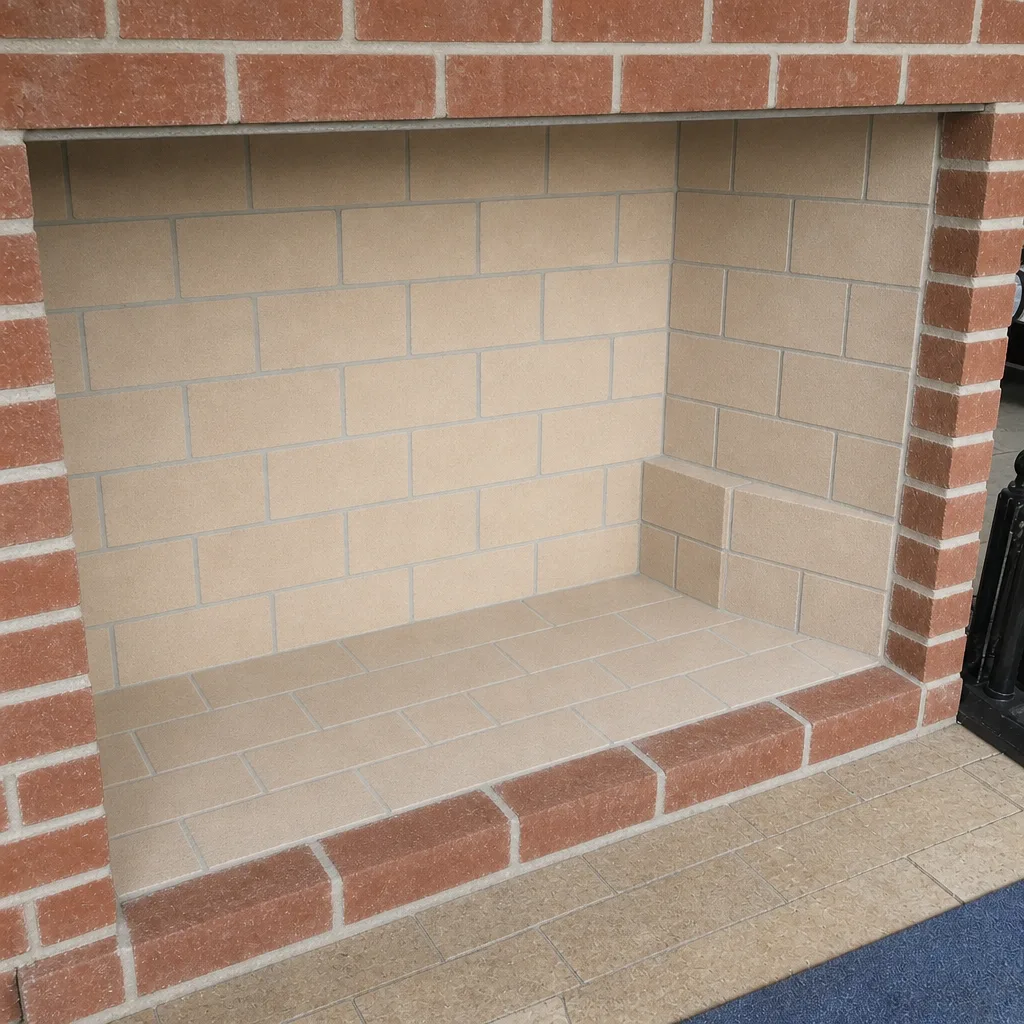
See the difference
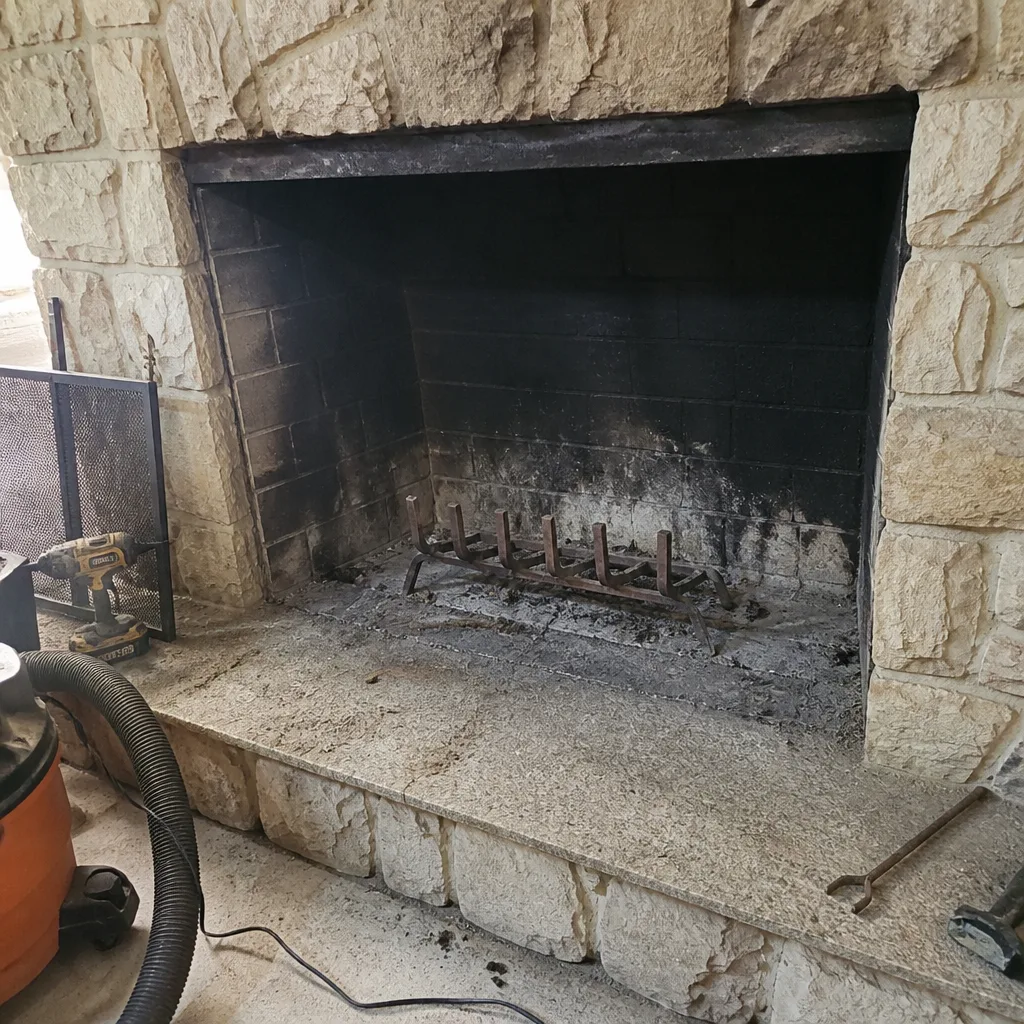 Before
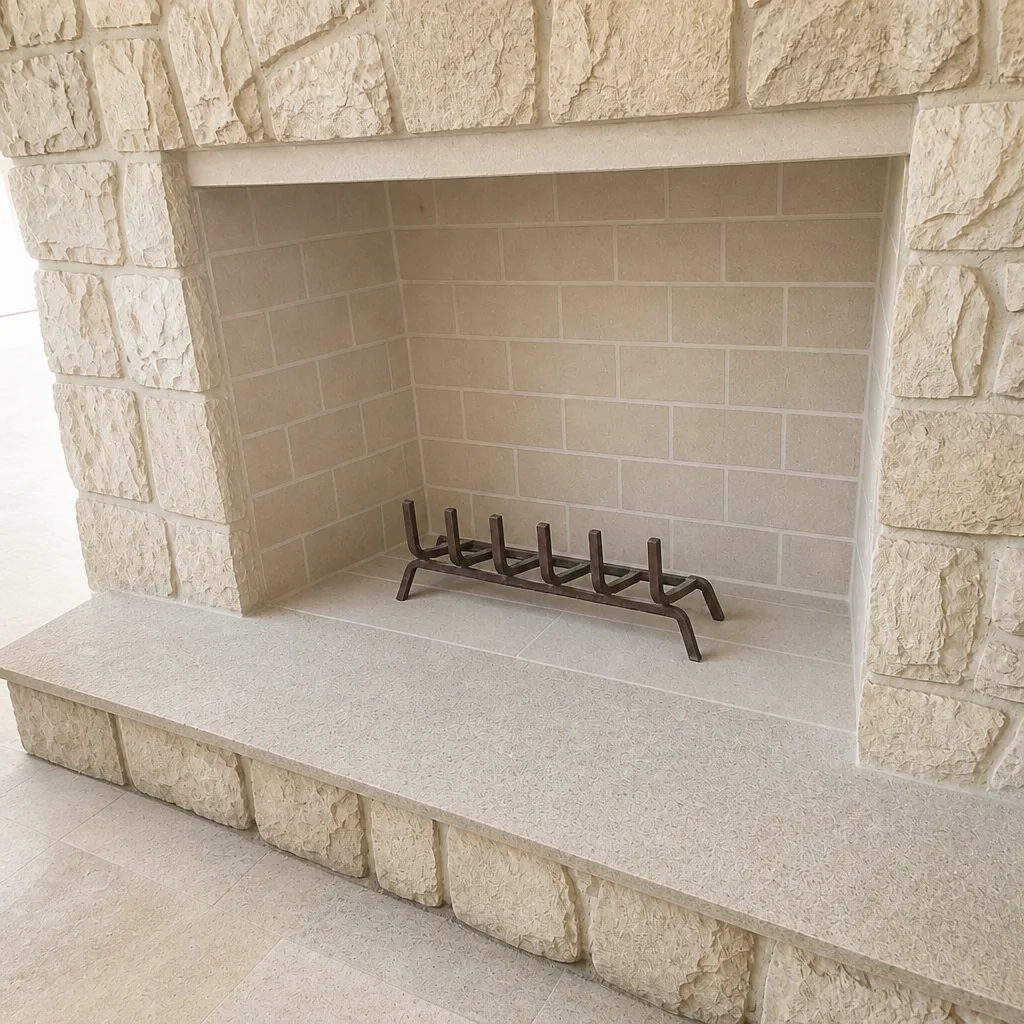 After
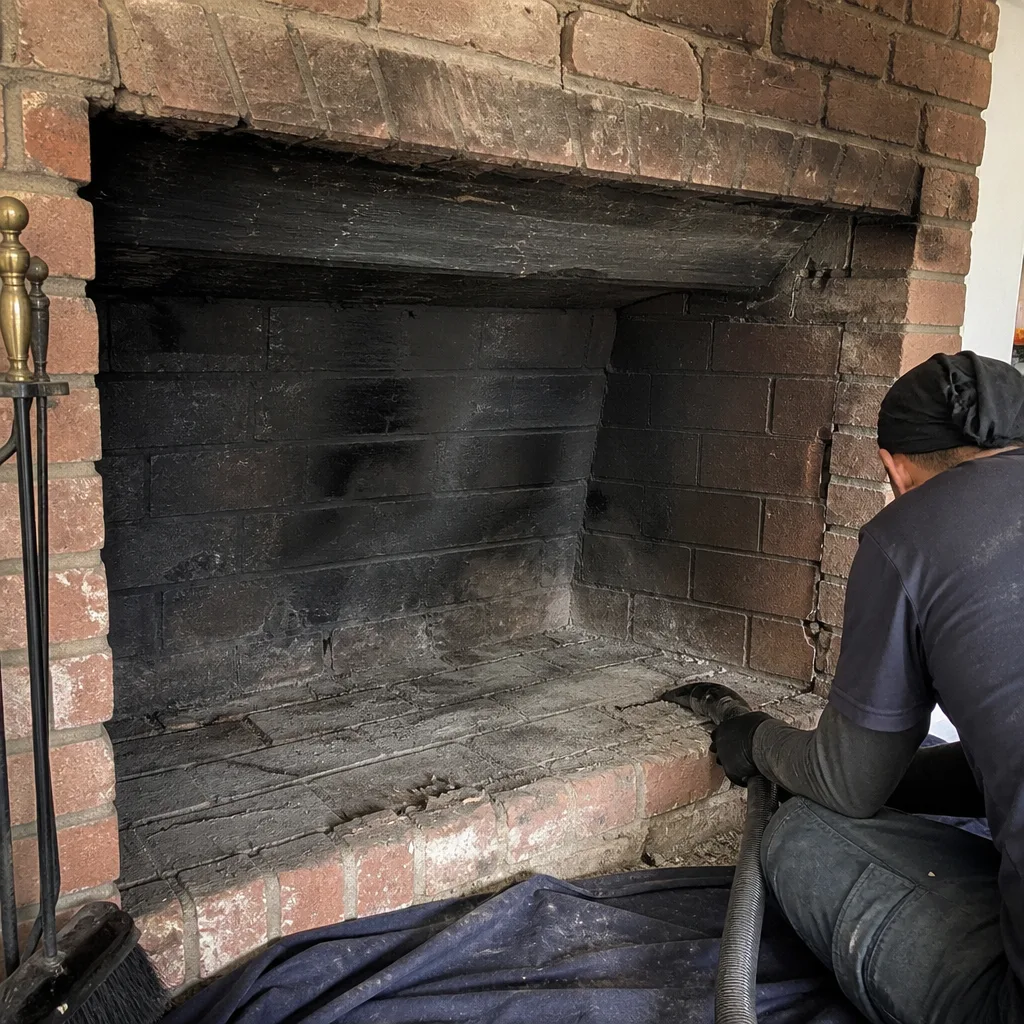 Before
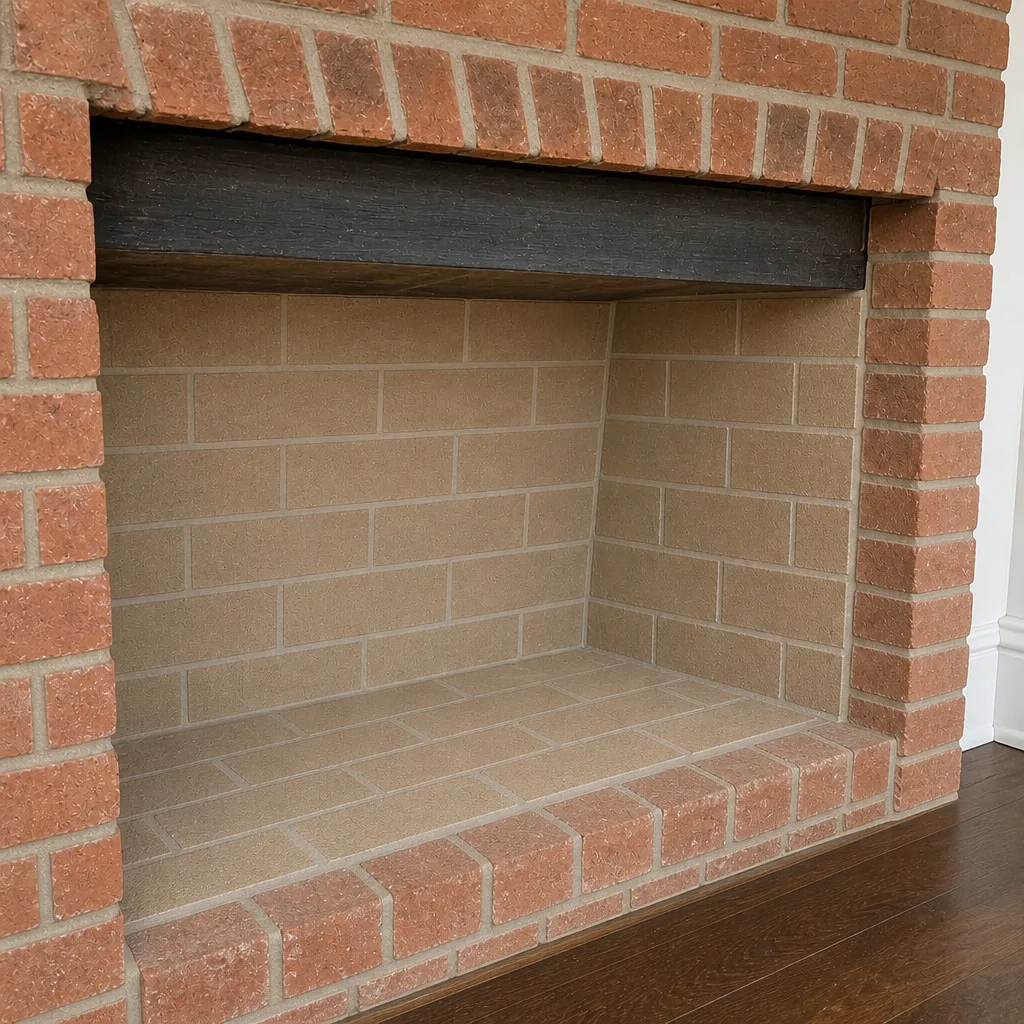 After
 Before
 After
When to Call a Professional
Call a professional when the flue hasn’t been swept in more than a year of regular use, when a chimney fire has occurred (even a small one you think self-extinguished), or when any of the visible signs of damage show up: cracked flue tiles, a failing cap, water staining near the top of the chimney, or debris falling into the firebox. And call before the season starts, not after. Booking a sweep in advance of burning season means the work is scheduled when you want it, not rushed when you finally need the fireplace. High-tension chimney components and gas appliance connections are not homeowner DIY territory. If you’re not sure whether your chimney needs attention, the safest answer is to have it inspected rather than guess.
Chimney Sweep Hollywood offers free estimates in Hollywood. Call (833) 974-6567 to book a sweep, an inspection, or both. We answer 24/7. Fast dispatch from 7am to 7pm, Sunday through Friday.
Frequently Asked Questions
A typical single-flue cleaning in Hollywood runs $150 to $300, and the range climbs to $450 or more for multi-flue jobs or heavy creosote removal. Add a Level 2 inspection and you’re usually looking at $300 to $650 combined. The written estimate after we see the chimney sets the final price. Call (833) 974-6567 for an exact quote, and the estimate is free.
A cleaning makes the flue safe to use; a Level 2 inspection proves the flue is safe to use. They answer different questions. If you’re renewing insurance, selling your home, or you’ve never had a camera down the flue in the time you’ve owned the house, the Level 2 is the one to book. For homes in Hollywood with older masonry chimneys, the camera scan is usually the most valuable part of the visit. Call (833) 974-6567 if you want to talk through which level makes sense for your situation.
Sometimes a new liner is essential, and sometimes the existing flue can be resurfaced for far less money. HeatShield ceramic resurfacing restores a deteriorated but structurally intact flue and costs significantly less than a full reline. DuraFlex liner systems are the right choice when the original lining has failed or the flue has offsets the original installation didn’t handle well. We use the camera footage to show you which applies to your chimney, and we don’t recommend a reline when resurfacing will do the job. Call (833) 974-6567 to have the flue looked at before you commit to anything.
Most wood-burning chimneys should be swept once a year, and more often if you burn heavily or notice creosote buildup. A gas or pellet appliance usually needs an annual inspection even if sweeping isn’t required. A fireplace that sits unused for long stretches still benefits from a yearly visual check to catch moisture damage or nesting early. For a Hollywood home where the fireplace only runs a handful of evenings a year, an annual inspection keeps the flue on a reasonable schedule without paying for sweeps you don’t need. Call (833) 974-6567 to put a reminder on the calendar before burning season.
Creosote builds up in layers, and as it thickens it becomes more combustible. A flue with heavy creosote is a fire risk the homeowner can’t see and can’t estimate. The other risk that quietly accumulates is moisture damage from a failing cap or crown, which deteriorates the flue lining and eventually makes a full reline necessary when a cap replacement would have prevented it. Skipping a sweep doesn’t guarantee a problem, but it means you have no idea whether one is developing. Call (833) 974-6567 to have the flue looked at before something forces the issue.
Idle chimneys collect more than creosote. Animals build nests, moisture lingers without the drying effect of regular fires, and liners slowly deteriorate without anyone noticing. Removing nesting material and inspecting for the damage it left behind takes longer than a routine sweep. A Hollywood fireplace that hasn’t been lit in several seasons is a common version of this scenario, and camera inspection is what keeps the recommendation honest. Call (833) 974-6567 if your chimney hasn’t been used in a while and you want a straight answer on its condition.
The Bottom Line
Chimney cleaning costs vary widely in Hollywood because the service behind the number varies widely. A $150 to $300 cleaning is a real service, and a $300 to $650 cleaning-plus-inspection is a different real service, and the two shouldn’t be compared as if they were the same thing. The line-item breakdown, the written scope, and the camera footage are what tell you what you’re actually paying for. Before you book anything, ask what’s included, ask what’s billed separately, and ask whether the inspection comes with a written report. Chimney Sweep Hollywood handles sweeping, inspection, and repair as one scope with one company, using HeatShield, DuraFlex, Gelco, and Famco among the professional product lines we source from. Call (833) 974-6567 for a free estimate.
Written by the team at Chimney Sweep Hollywood.