
Last updated November 15, 2026
 Sweep & inspection
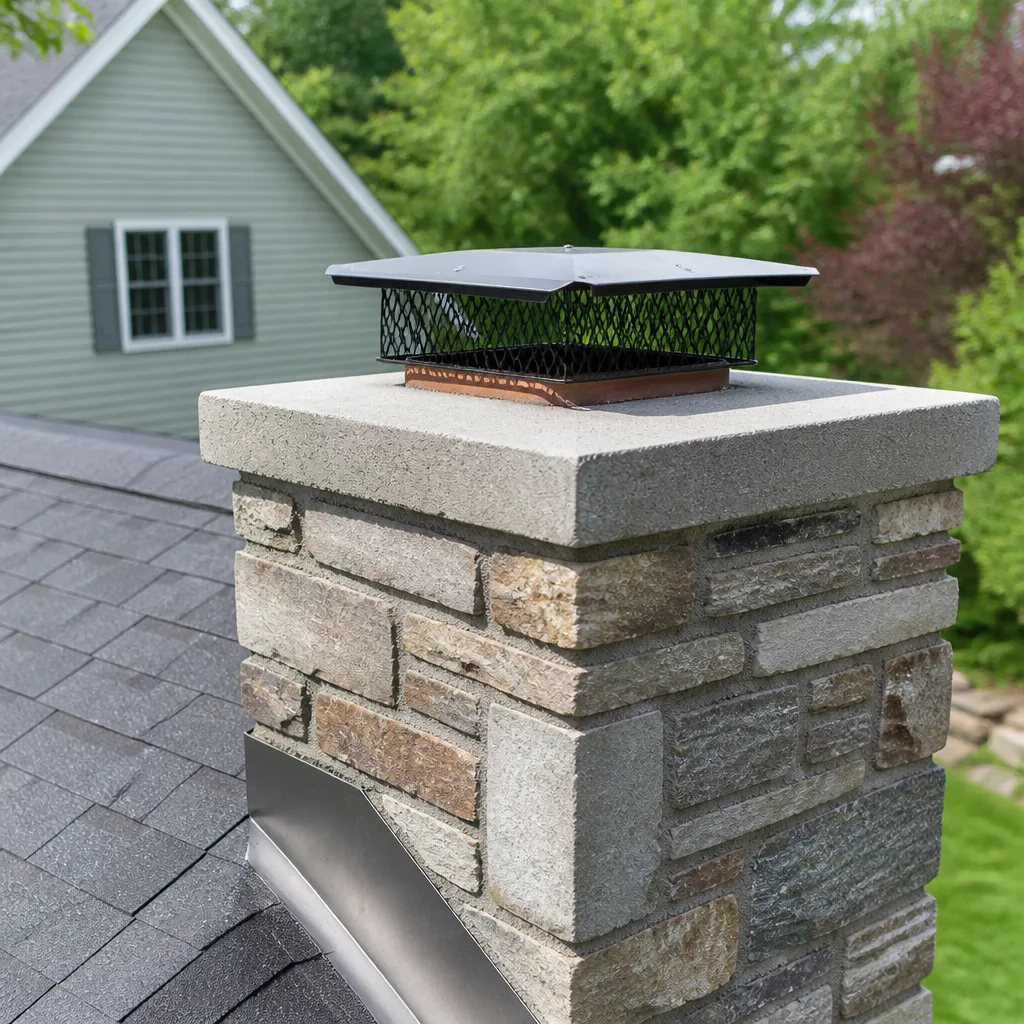
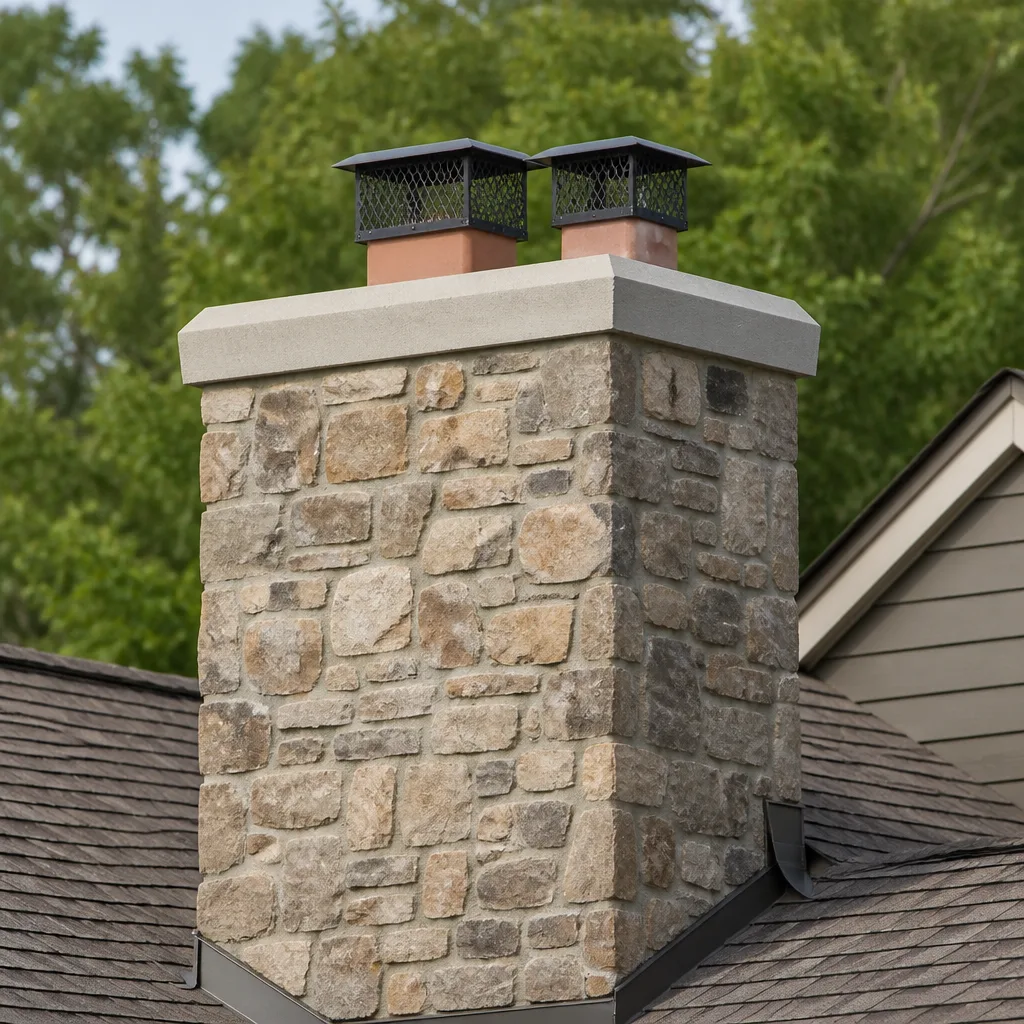 Caps & crowns
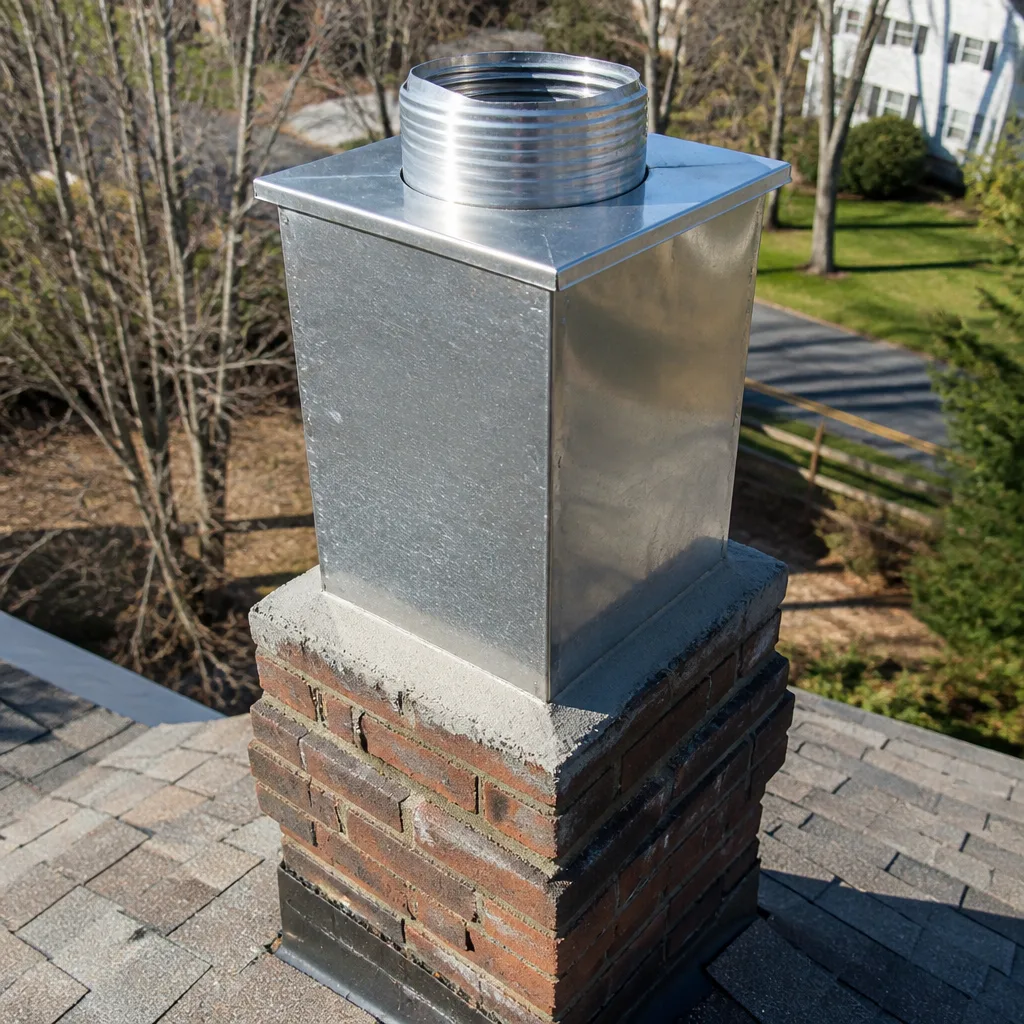 Flue relining
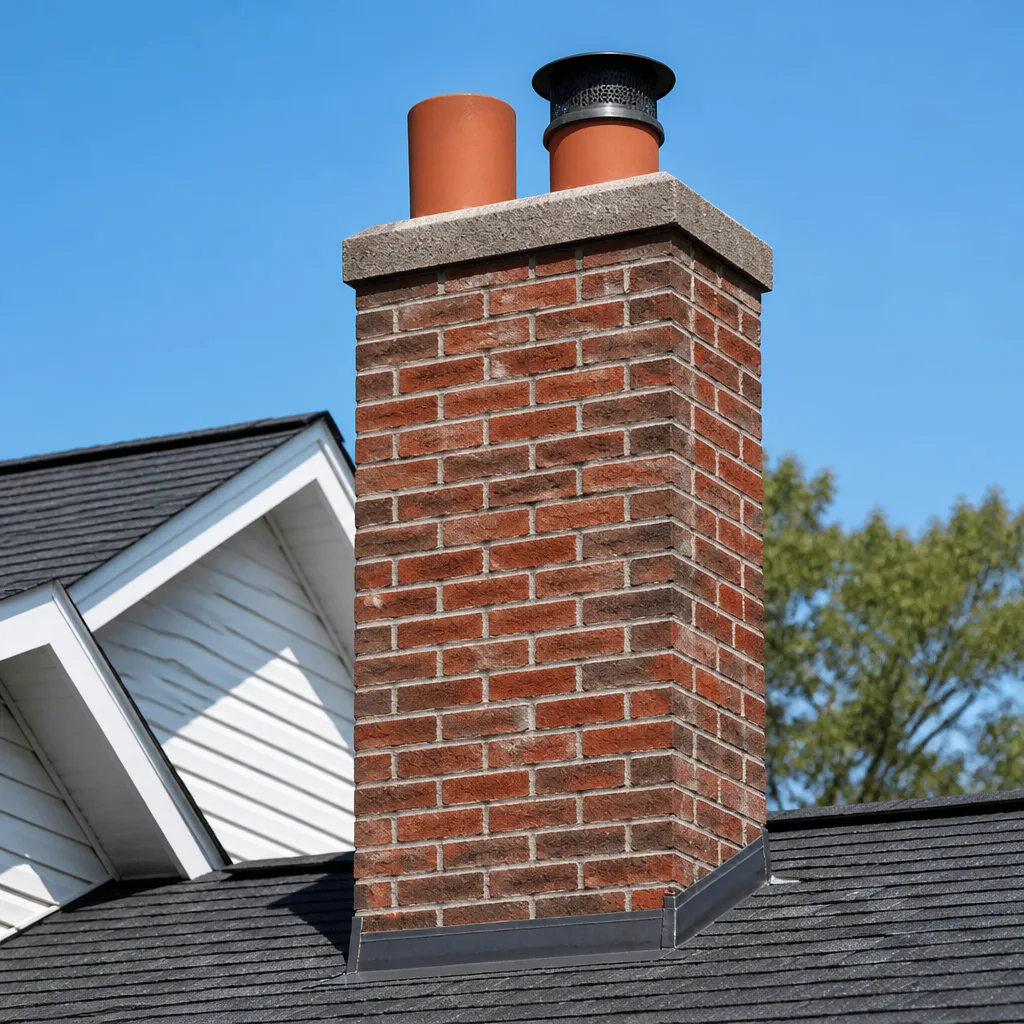 Masonry repair
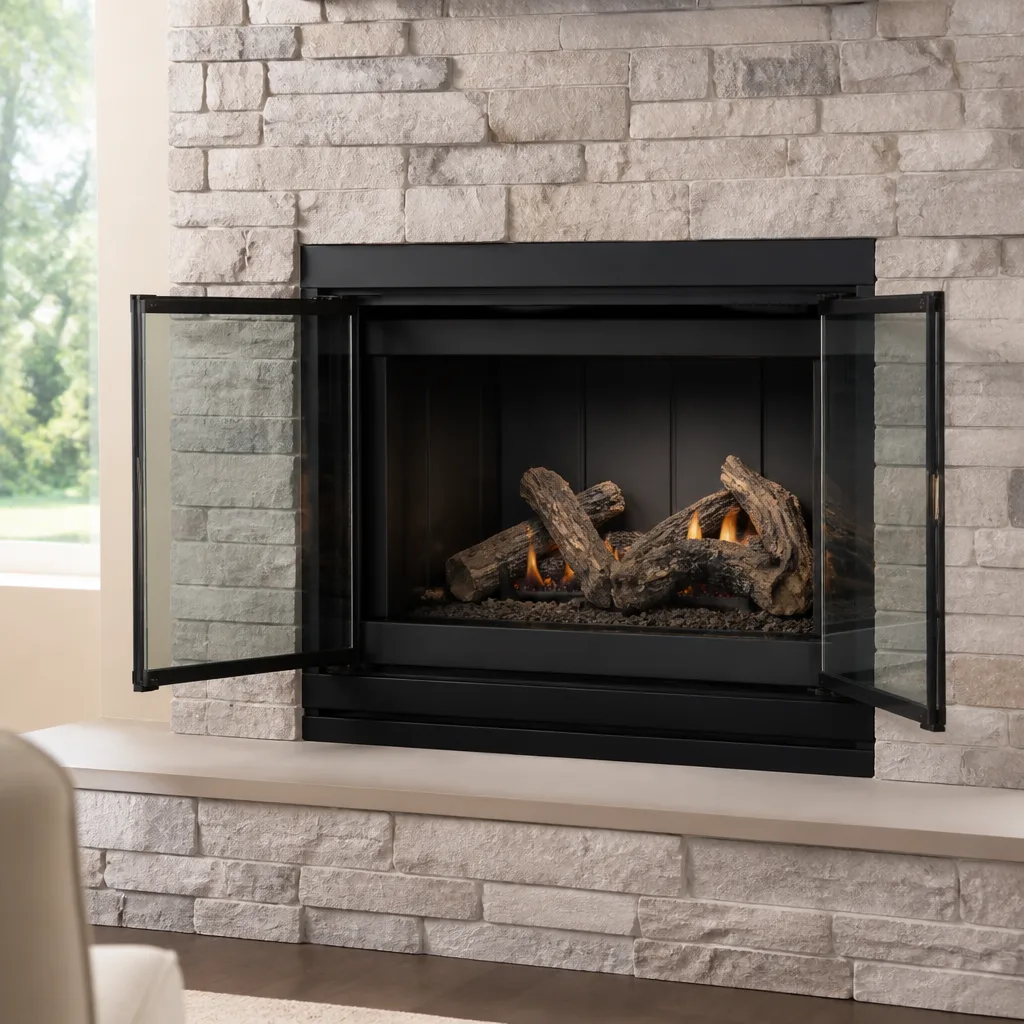 Gas fireplace service
Level 1 sweep and inspection to the NFPA 211 annual standard - flue, crown, cap, and flashing checked and photographed
Chimney sweep logs do not sweep chimneys. They loosen some creosote - which then falls where a brush and vacuum still have to collect it.
Chimney Cleaning Warning Signs: A Hollywood Homeowner’s Reference Guide
Most homeowners are taught to watch for heavy smoke rolling out of the firebox or visible flame where flame shouldn’t be. Those are late-stage signals. By the time either shows up, the problem has usually been developing quietly for months or longer. The earlier warnings are quieter: a chalky white stain on the outside of the chimney, a faint rust ring near the cap, a smell that lingers after the fire is out. This guide walks through the signs worth reading in Hollywood, what each one means mechanically, and how to tell a cosmetic mark from a structural one before it becomes a repair bill.
Quick Answer
The earliest chimney warning signs in Hollywood are usually visual and smell-based rather than fire-based: white efflorescence staining on exterior masonry, rust around the cap or chase top, dark streaks near the flue outlet, and smoky or sour odors that persist after the fireplace is cold. Any of these suggests moisture, creosote buildup, or animal intrusion and warrants a professional inspection. Actual smoke backing into the room or visible flame outside the firebox means stop using the fireplace today and call for service.
Styles & brands we work with
- Sweep & inspection
- Caps & crowns
- Flue relining
- Masonry repair
- Gas fireplace service
Table of Contents
- Why the Signs You’ve Been Taught Are Already Late
- The Eight Warning Signs Worth Reading
- Exterior Signs: What the Outside of Your Chimney Tells You
- Interior Signs: Reading the Firebox and Flue
- Smell-Based Indicators: Creosote, Moisture, and Animals
- South Florida Signals: Moisture, Rust, and Animal Intrusion
- Cosmetic or Structural? How to Tell Without Being a Technician
- Triage Framework: Schedule Service vs. Stop Using Today
Why the Signs You’ve Been Taught Are Already Late
The warnings most people repeat – smoke in the room, flames where flames don’t belong, a chimney that smells like a campfire every time it rains – are what we’d call end-stage symptoms. They show up after a problem has crossed from manageable into urgent. That’s not because homeowners are careless. It’s because the real early signs are subtle, and nobody points them out.
Think about how a chimney actually fails. Creosote accumulates in layers, a fraction at a time, every fire. Masonry absorbs moisture slowly, through hairline cracks and failed mortar joints, until the water has traveled far enough to carry dissolved salts to the surface. A flue liner cracks from thermal cycling over many seasons, not in one dramatic event. None of this announces itself. It just accumulates.
What you can catch early is the visible residue of that accumulation: a stain, a smell, a texture change on the masonry. Those are the signals this guide is built around. Reading them doesn’t require technical training. It requires knowing what you’re looking at and where to look in Hollywood.
One more thing worth stating plainly. Hollywood’s mild winters mean many fireplaces sit unused for months, then get a heavy workout during the few cool weeks each year. That pattern – long dormancy, sudden heavy use – is exactly the cycle that hides developing problems. A chimney that sat through a humid summer without a cap is a chimney that may have absorbed moisture it hasn’t shed by the time you light the first fire. We’ve seen this pattern often enough that we ask about summer exposure on almost every inspection.
The Eight Warning Signs Worth Reading
Here are the eight specific warning signs we look for on a chimney inspection in Hollywood, in the order they’re easiest to spot from the ground. Each one points to a different mechanical cause, which is why reading them together matters more than reading any one alone.
- White, chalky staining on exterior masonry. Efflorescence. Water has been moving through the brick or mortar long enough to carry dissolved salts to the surface. By the time it’s visible, the interior may already be compromised.
- Rust staining around the cap or chase top. Moisture is sitting where it shouldn’t, usually because the cap is damaged, missing, or undersized for the flue.
- Dark streaks or soot staining on the exterior near the flue outlet. The flue is drafting poorly or creosote has built up enough to affect flow.
- Visible cracks in the firebox brick or mortar joints. Heat and moisture have started breaking down the firebox lining. This one moves from cosmetic to structural faster than most.
- Discolored or warped damper. The damper is meant to seal when closed. A warped one lets conditioned air escape and lets humid outside air in year-round.
- Loose or missing mortar joints on the crown. The crown is the concrete cap at the very top of the chimney. When it cracks, water runs straight down into the flue.
- Animal droppings, nesting material, or feathers in the firebox. A missing or damaged cap let something in. Whatever it left behind is now sitting in your flue.
- A persistent smell that doesn’t clear when the fire is out. This is the sign most people notice last and should notice first. Covered in detail below.
None of these require climbing a ladder to see from the ground, though some are easier to read up close. A proper inspection documents them all in writing, which matters if you’re preparing for insurance renewal, a home sale, or warranty purposes. A qualified chimney sweep will walk you through what they find.
Exterior Signs: What the Outside of Your Chimney Tells You
The outside of your chimney is doing more work than most homeowners realize. It’s the first line of defense against moisture, and it’s where the earliest readable signals show up. A chimney that looks clean from the driveway isn’t automatically sound, but a chimney with visible exterior problems almost never has a clean interior either.
Efflorescence and What It Actually Means
Efflorescence is the white, powdery staining that shows up on brick, mortar, and sometimes concrete crowns. It’s not mold and it’s not cosmetic. It’s salt that water dissolved inside the masonry and carried to the surface, where it dried and left a deposit. If you see it once and it doesn’t return after a heavy rain, you’re probably fine. If it reappears, the water source is active and continuous.
In a Hollywood climate, the water source is often easier to guess than in colder parts of the country. Summer humidity, driven rain against an unsealed crown, or a chimney left uncovered through the wet season are the usual culprits. The building materials themselves aren’t the problem. The moisture route is.
Soot Streaking and Draft Problems
Dark vertical streaks just below the cap or on the upper chase tell you the exhaust isn’t moving the way it should. Sometimes it’s a partial blockage, sometimes it’s a draft issue caused by surrounding trees or roofline geometry, and sometimes it’s a buildup of creosote narrowing the flue. All three are fixable, and all three are worth diagnosing before they worsen.
Rust Stains and Cap Failure
Rust on a galvanized or painted cap is a reliable moisture indicator. It usually means the cap is old, the coating has failed, or the cap was never properly sized to shed water away from the flue. A properly fitted chimney repair often starts with the cap, because a cap that’s doing its job prevents most of the problems the rest of this guide covers. We install Gelco and Famco cap systems precisely because those brands hold up against humidity the way generic caps don’t.
Interior Signs: Reading the Firebox and Flue
Inside the chimney, the signals are more specific and more urgent. The firebox and flue are where heat damage, creosote buildup, and liner failure all show themselves. You don’t need a flashlight-and-mirror setup to catch the obvious ones. You just need to look before you light the first fire of the season, and know what “normal” looks like.
What a Healthy Firebox Looks Like
Brick should be uniform in color, with tight mortar joints and no loose material. The fireback (the rear wall of the firebox) should be solid, not crumbly. There should be no gaps where you can see through to the structure behind. The damper should move freely and seat flush when closed.
What Warning Signs Look Like Inside
- Cracks in the firebox brick, mortar, or fireback: heat has begun to break down the lining. This is the single most important interior sign to act on.
- Crumbling or soft mortar at the joints: water infiltration has started to erode the binder. Soft joints mean the masonry is losing its structural capacity.
- Warped or stuck damper: restricted airflow when closed, poor draft when open. Both waste energy and can affect indoor air quality.
- Visible creosote buildup on the flue walls: a sweep will show you what’s there. If you can see glazed creosote from the top of the firebox, the layer above is thicker.
- Rust streaks inside the smoke chamber: moisture has been entering from above and left its mark on the way down.
One caution worth stating directly. Do not attempt to remove creosote from the flue yourself, and do not reach into a firebox to inspect above your reach. The components that cause serious injury in this trade are the fasteners, the damper hardware, and the accumulated material inside a flue – not the fire you can see. A trained technician has the tools, the brushes and rods, and the method to work on the flue safely. We’ll say so every time.
Smell-Based Indicators: Creosote, Moisture, and Animals
Odor is the most honest signal your chimney gives you, and the one homeowners most often dismiss. Each of the three common chimney odors points to a different cause. Learning to tell them apart will save you a call.
The Sour, Smoky Smell That Lingers
A smoky odor that’s still there hours after the fire is out is a sign of creosote buildup in the flue. Fresh creosote has a fairly mild smell. Older creosote, the glazed kind, gives off a stronger, more acrid odor, especially on humid days. If you can smell it through a closed damper, the layer inside the flue is thick enough to warrant sweeping.
The Musty, Earthy Smell
Musty, damp, or “wet basement” smells that come from the fireplace on humid days usually mean moisture has entered the chimney and is mixing with existing creosote or masonry dust. The source is almost always the crown, cap, or flashing – the three places water gets in most easily. Left alone, moisture plus creosote makes the creosote harder to remove when the sweep does come.
The Animal Smell
There’s a distinct ammonia or animal-musk smell that shows up when birds, squirrels, or raccoons have made a home in the flue or on the smoke shelf. In Hollywood, this is common during the warm months when chimneys sit unused. If the smell is strong and the firebox shows any sign of droppings or nesting material, the chimney should be swept and inspected before the fireplace is used again. An animal inside a flue can also block airflow, which affects draft and indoor air quality.
South Florida Signals: Moisture, Rust, and Animal Intrusion
Hollywood’s climate produces a specific set of warning signs that homeowners moving from colder parts of the country often don’t expect. The principle is the same – water is the enemy – but the pattern looks different.
Humidity here is high through most of the year, and a chimney that sits unused through a South Florida summer is exposed to more ambient moisture than a chimney in a dry climate. That’s why we see rust staining around caps and chase tops on Hollywood chimneys with regularity. A cap that would last a decade in a dry market can corrode faster in our humidity if it wasn’t sized and installed to shed water properly.
Efflorescence patterns in Hollywood also tend to be more pronounced on the lower sections of exterior masonry, where humid air sits against the wall. That’s a different pattern than what you’d see in a colder climate, where efflorescence tends to concentrate around the crown and upper joints. If you’re seeing white staining on the lower wall of the chimney, don’t assume it’s groundwater from the foundation. It’s often moisture migrating through the chimney itself.
Animal intrusion is the third South Florida signal that catches homeowners off guard. A chimney without a cap is an obvious invitation, and warm-season nesting happens fast. Birds, squirrels, and occasionally raccoons get into flues, and the result is a mess that has to be swept before the fireplace can be used safely. A properly installed Gelco or Famco cap closes that gap and is one of the simpler fixes we make.
We name the brands we use because the materials matter as much as the labor. A cap is not optional. It’s the first line of defense against moisture damage and animal intrusion, and it’s the cheapest part of most chimney repairs to get right the first time.
Cosmetic or Structural? How to Tell Without Being a Technician
The real question homeowners want answered is simple: which of these signs means I can wait, and which one means I need to call now? Here’s a rough framework. It’s not a substitute for an inspection, but it will help you triage what you’re seeing.
Signs That Are Usually Cosmetic
- A single, light efflorescence bloom that doesn’t return after rain.
- Surface soot on the exterior (not staining into the masonry, just on top of it).
- A slightly sticky damper blade (clean and lubricate, usually resolved).
- A minor rust spot on the cap that isn’t spreading.
- Cosmetic discoloration on the firebox brick that’s uniform and not accompanied by cracks.
Signs That Suggest Structural Trouble
- Efflorescence that returns repeatedly, especially after rain.
- Visible cracks in the firebox, fireback, or smoke chamber.
- Soft or crumbling mortar joints anywhere on the chimney.
- Spalling brick (the face flaking off in chunks).
- Rust staining on multiple sides of the cap or chase top.
- Any dark staining on the upper chase that suggests draft failure.
The clearest way to know is to have the chimney inspected by a qualified chimney inspector. In our experience, homeowners who call on the cosmetic end of the list often get told the chimney is fine and to schedule a sweep next season. That’s a good outcome. Homeowners who wait on the structural end often end up needing a liner resurfacing (we use HeatShield for this) or, in more severe cases, a reline with DuraFlex. Catching it earlier is the difference between those two.
Triage Framework: Schedule Service vs. Stop Using Today
When you’re looking at a warning sign and trying to decide what to do, run it through this simple decision tree. It’s not a replacement for an inspection, but it turns “I don’t know what to do” into “I know what to do next.”
Stop Using the Fireplace Today If
- Smoke is backing into the room when the fire is burning.
- You can see flame outside the firebox, including at the damper or into the smoke chamber.
- There’s a strong chemical smell in the room after lighting the fire.
- The firebox has visible cracks you can fit a coin into, or loose brick.
- The damper won’t open or won’t close all the way.
- You’ve had an animal in the flue and haven’t swept since.
Schedule Service Within the Next Few Weeks If
- Efflorescence has appeared on the exterior and is not clearing after rain.
- You see rust staining around the cap.
- The fireplace produces a smoky smell that lingers after the fire is out.
- You can see more than a thin film of soot on the flue walls.
- You haven’t had the chimney swept in the last year of regular use.
- You’re preparing for an insurance renewal, home sale, or warranty claim and need documentation.
If you’re somewhere between the two lists, err on the side of scheduling a sweep. In Hollywood, we’d rather tell you the chimney is fine than tell you to wait and then have to fix something bigger later. Sweep. Inspect. Repair. All three. One company, one visit, one written report.
Common Mistakes to Avoid
- Assuming a clean-looking chimney is a safe chimney. Exterior appearance tells you nothing about what’s inside the flue. Only an inspection does. Skip it, and you’re guessing.
- Treating efflorescence as a masonry color issue. White staining on brick or mortar means water is actively moving through the masonry. Ignore it and the water keeps working.
- Using the fireplace after smelling animal musk. An animal in the flue blocks airflow, and whatever it left behind is now in your firebox. Sweep first, then light.
- Skipping the cap to save money. A cap is the first line of defense against rain, humidity, and animals. A chimney without one is a chimney taking on water.
- Burning wet or unseasoned wood. Wet wood produces more creosote per fire than dry wood. In a Hollywood climate, wood stored outdoors absorbs humidity and never fully dries unless it’s covered.
- Assuming a gas insert doesn’t need inspection. Gas inserts have a flue and vent path that need annual inspection too. The fireplace may be sealed, but the vent system is not.
- Relying on a general handyman for chimney work. Chimney repair involves components and materials most general trades don’t work with regularly. It pays to use a specialist.
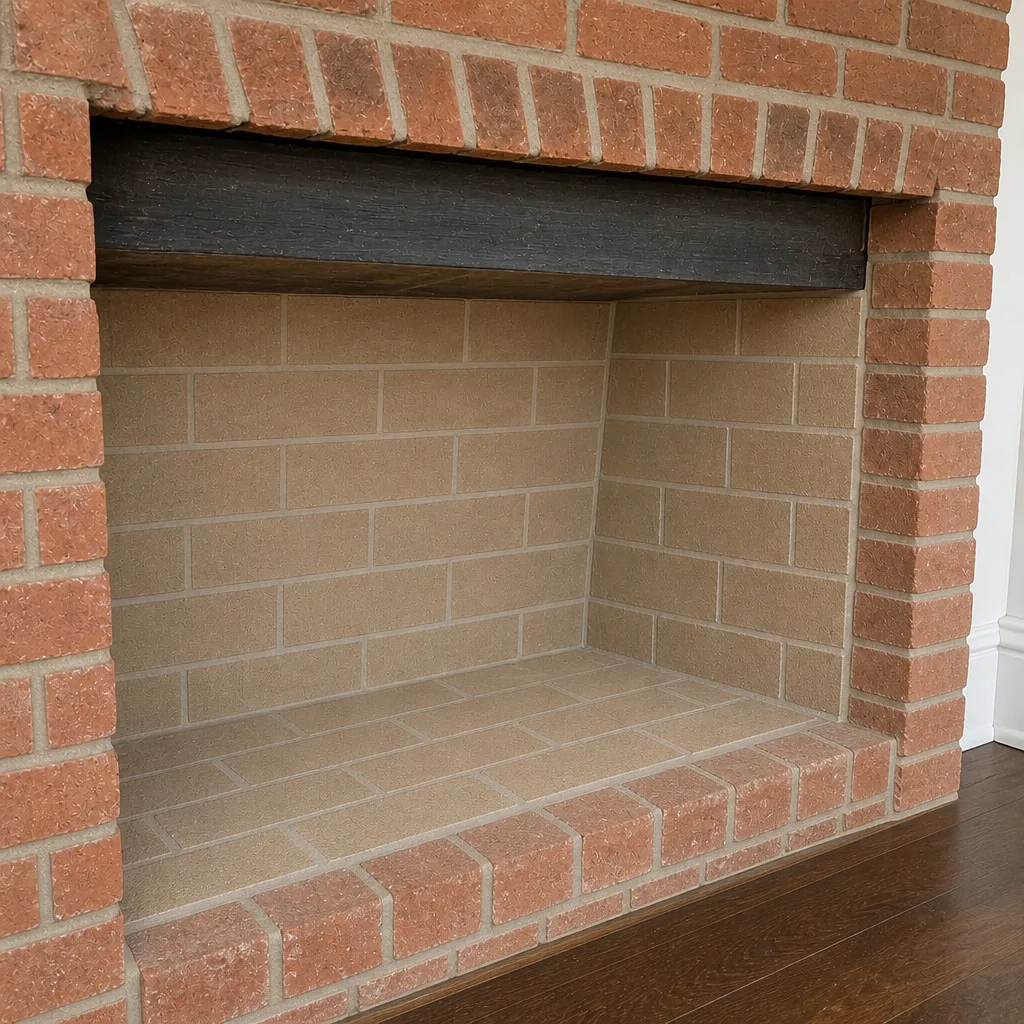
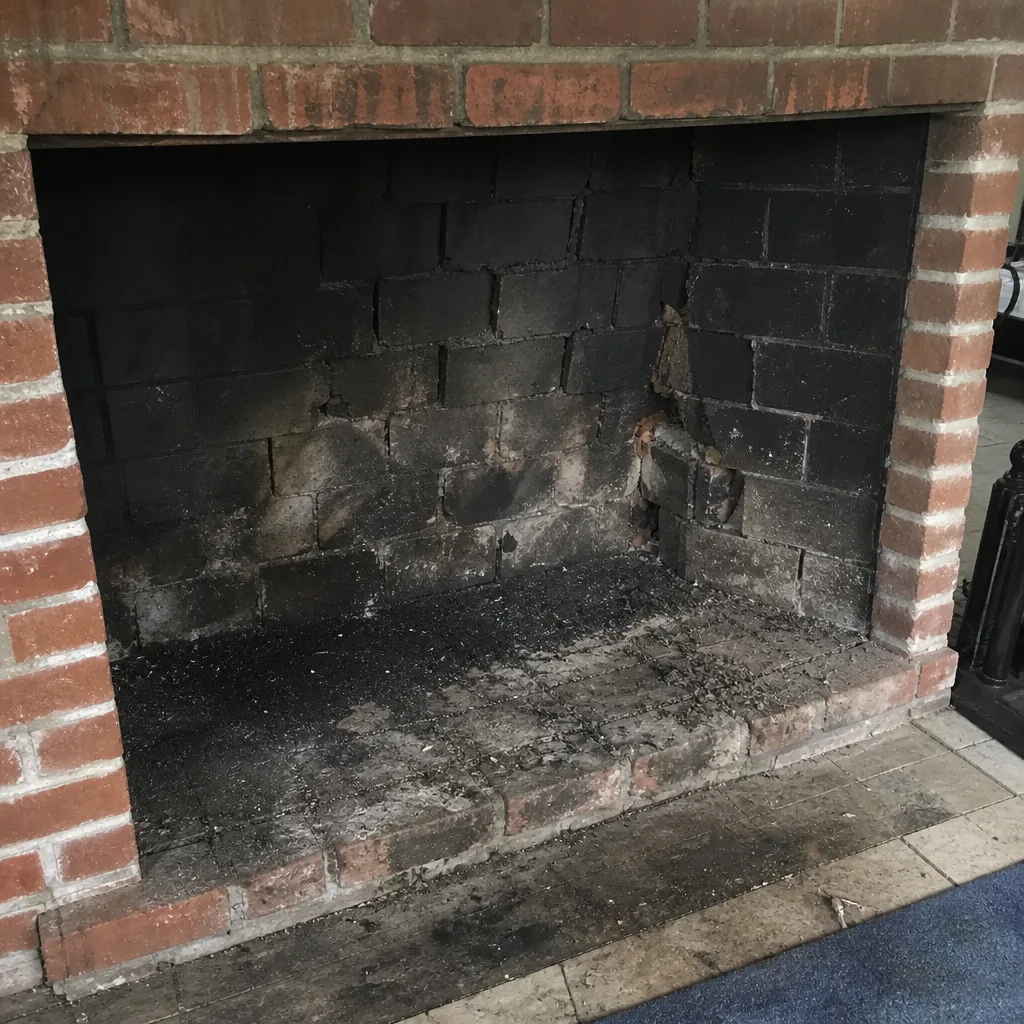
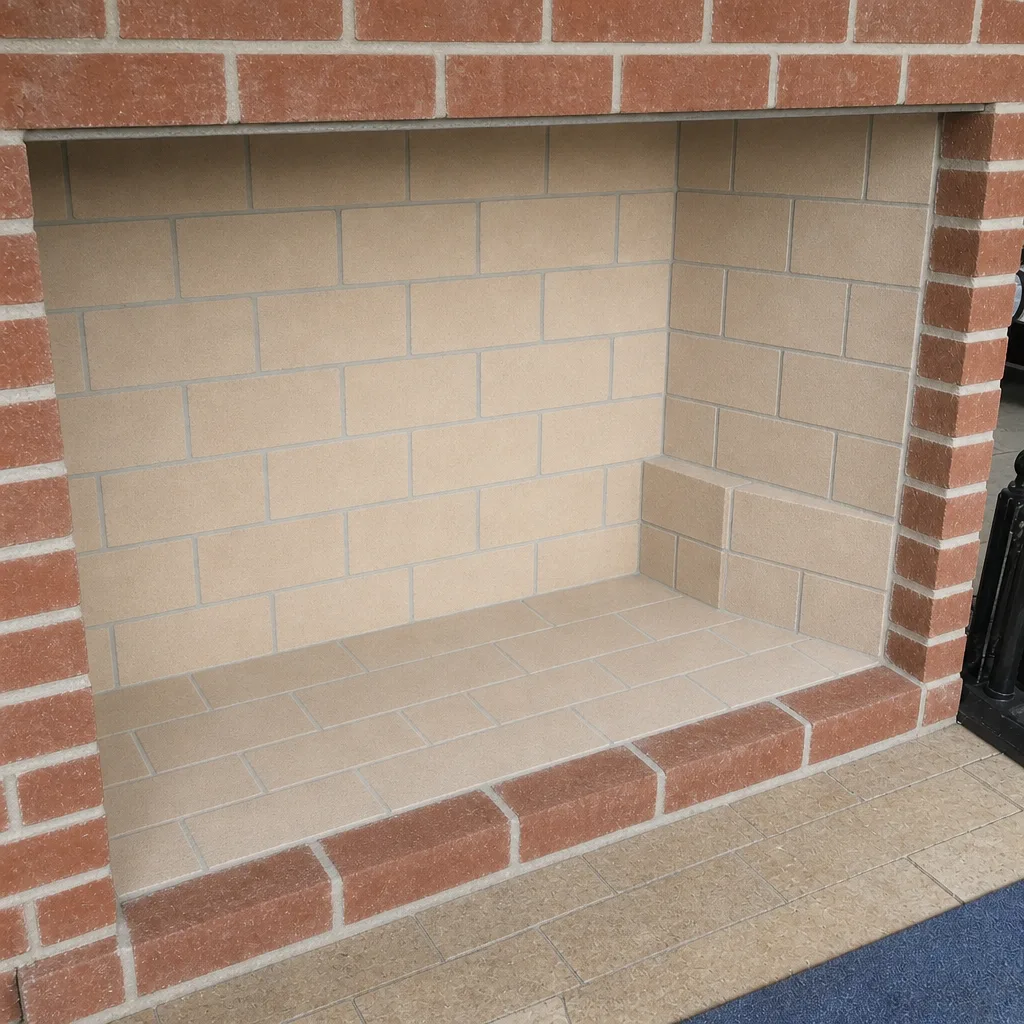
See the difference
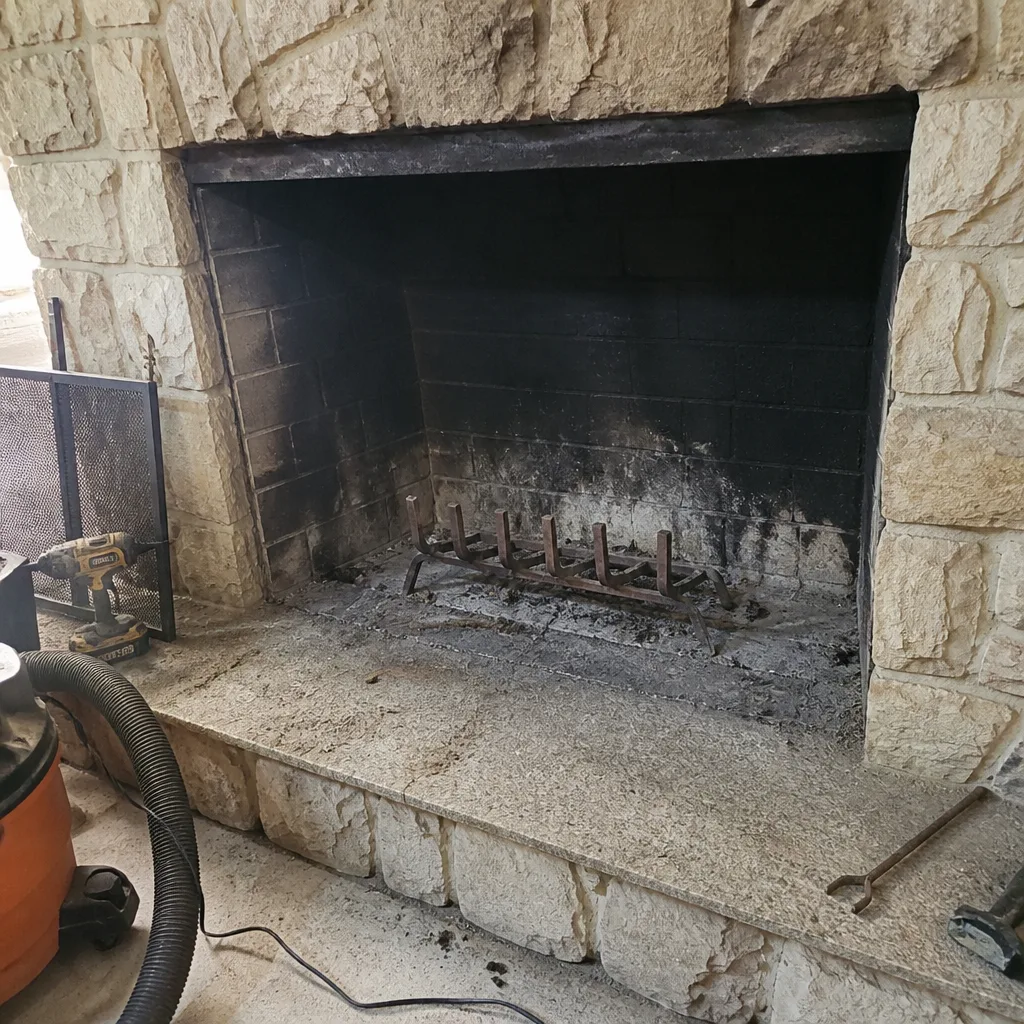 Before
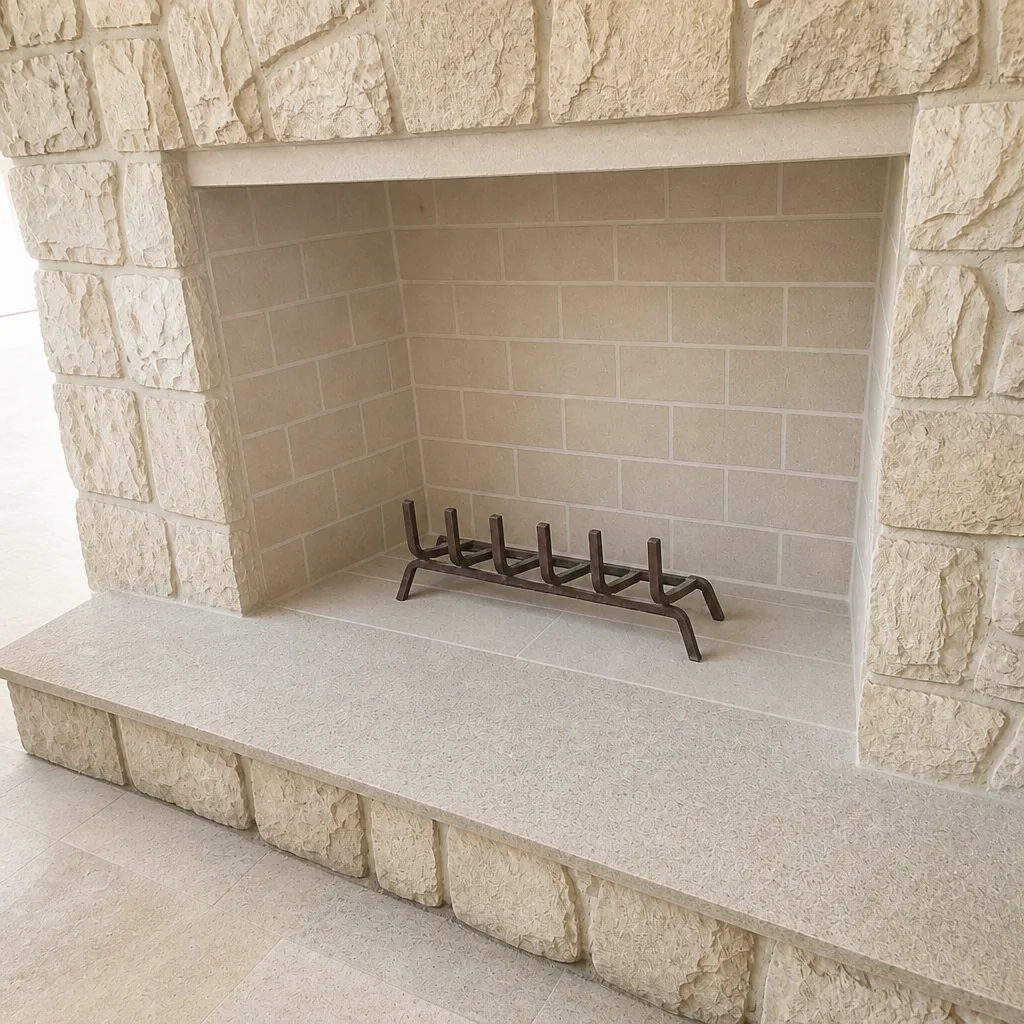 After
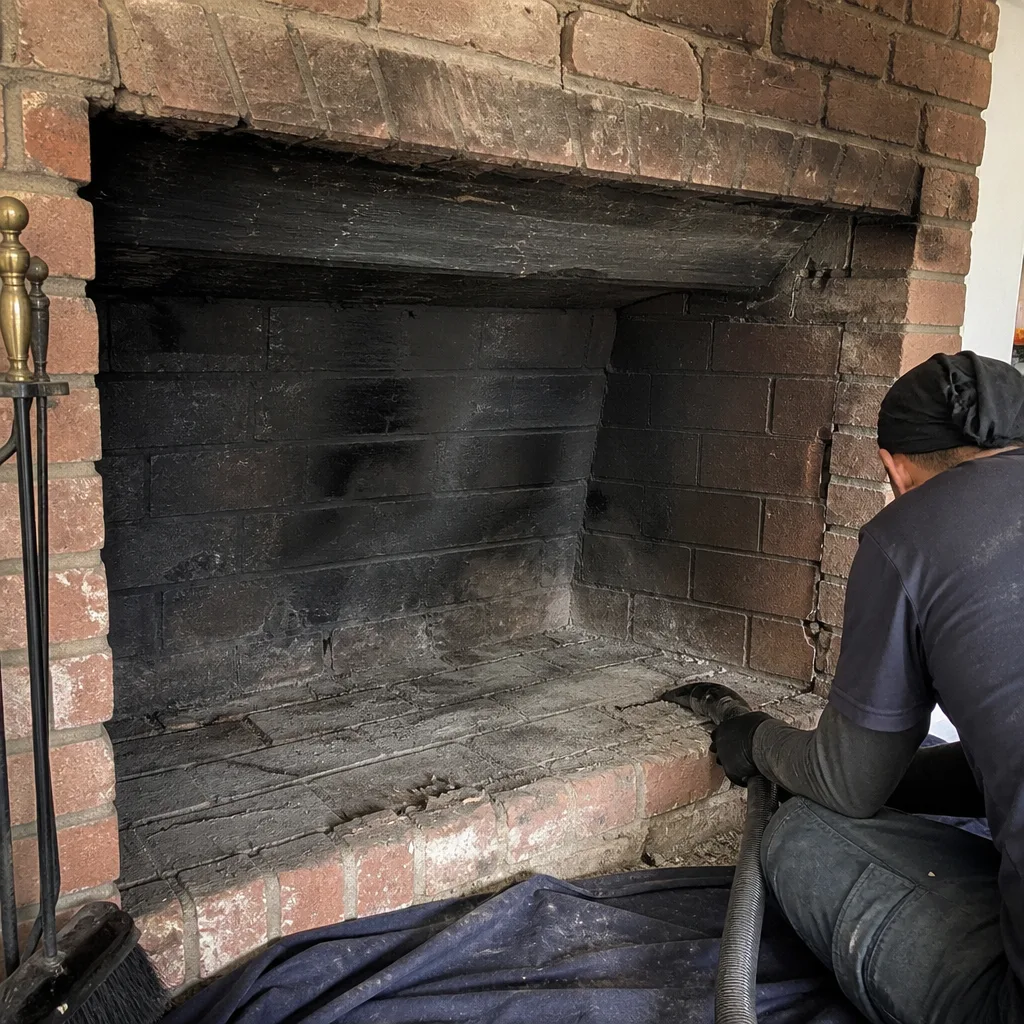 Before
 After
 Before
 After
When to Call a Professional
Call a professional if you see any of the “stop using today” signals from the triage section, if efflorescence returns after rain, if you can smell creosote through a closed damper, or if you’re within a month of insurance renewal or a home sale and don’t have a recent written inspection. If you haven’t had the chimney swept in a year of regular use, call now rather than wait for a sign. A sweep and inspection catch most problems while they’re still cheap to fix. Chimney Sweep Hollywood offers free estimates in Hollywood – call (833) 974-6567. We answer 24/7. Fast dispatch from 7am to 7pm, Sunday through Friday.
Frequently Asked Questions
A standard chimney sweep in Hollywood is typically priced per job, based on the flue configuration, the level of buildup, and whether a cap or minor repair is included. We give an exact written estimate before any work is booked, and the written estimate is the final price. Call (833) 974-6567 – estimates are free.
The general rule for a wood-burning fireplace in regular use is once a year, and always before the start of the burning season. In Hollywood, we also recommend a sweep after any period of heavy use during a warm spell when the fireplace has been sitting unused. If you have a gas insert or stove, the vent path should be inspected annually even if the firebox doesn’t need sweeping. Call us to schedule a sweep.
Efflorescence means water has been moving through the masonry and left salt deposits on the surface as it dried. It’s a moisture indicator, not a cosmetic mark. If it returns after rain, the water source is active and the chimney should be inspected. Call (833) 974-6567 to book an inspection.
Creosote keeps accumulating in the flue with every fire, and the longer it sits, the harder it becomes to remove and the higher the risk of a chimney fire. Moisture keeps working through masonry, which eventually turns a small repair into a liner replacement. Skipping the sweep doesn’t avoid the cost. It moves the cost forward and makes it larger. Call us to book a sweep before the next burning season.
Whether a flue can be resurfaced or needs a full reline depends on the condition of the existing liner and how much cracking is present. HeatShield ceramic resurfacing is often a viable option when the damage is surface cracking rather than failure of the liner itself. A liner in worse shape may need a DuraFlex flexible liner instead. We’ll tell you honestly which one you actually need, based on what the inspection shows. Call (833) 974-6567 to book an inspection.
You can read the exterior and interior warning signs described in this guide, which is a useful starting point. What you can’t do yourself is inspect the flue above the damper, which is where most creosote accumulation and liner damage happen. That requires the proper tools and a trained eye. Book a professional inspection for the parts you can’t see.
A smoky or musty smell that gets stronger after rain usually means moisture is getting into the flue and reacting with existing creosote or masonry dust. The moisture source is typically the crown, cap, or flashing. Get the chimney inspected and have the cap and crown checked. Call (833) 974-6567 to schedule.
Yes. Gas inserts and stoves have a vent path that needs annual inspection, even though the firebox itself doesn’t accumulate creosote. Our inspection covers the vent components and overall system. Call to book.
The Bottom Line
The signs worth watching on a Hollywood chimney are the quiet ones: white staining on the exterior, rust around the cap, streaks near the flue outlet, lingering odors, and interior cracks you can see without a light. Learn those, and you’ll catch most problems while they’re still small. When in doubt, schedule a sweep and an inspection rather than wait for the loud signs. We document every inspection in writing so you have something to show your insurer, your buyer, or yourself.
We work with DuraFlex flexible liner systems, HeatShield flue resurfacing, Gelco and Famco caps, and Olympia Chimney and Copperfield supplies. HeatShield resurfacing can save you the cost of a full reline, and we’ll tell you honestly which one you actually need. If a sign in this guide looks familiar, call (833) 974-6567 for a free estimate. We answer 24/7. Fast dispatch from 7am to 7pm, Sunday through Friday.
Written by the team at Chimney Sweep Hollywood.