
Last updated November 15, 2026
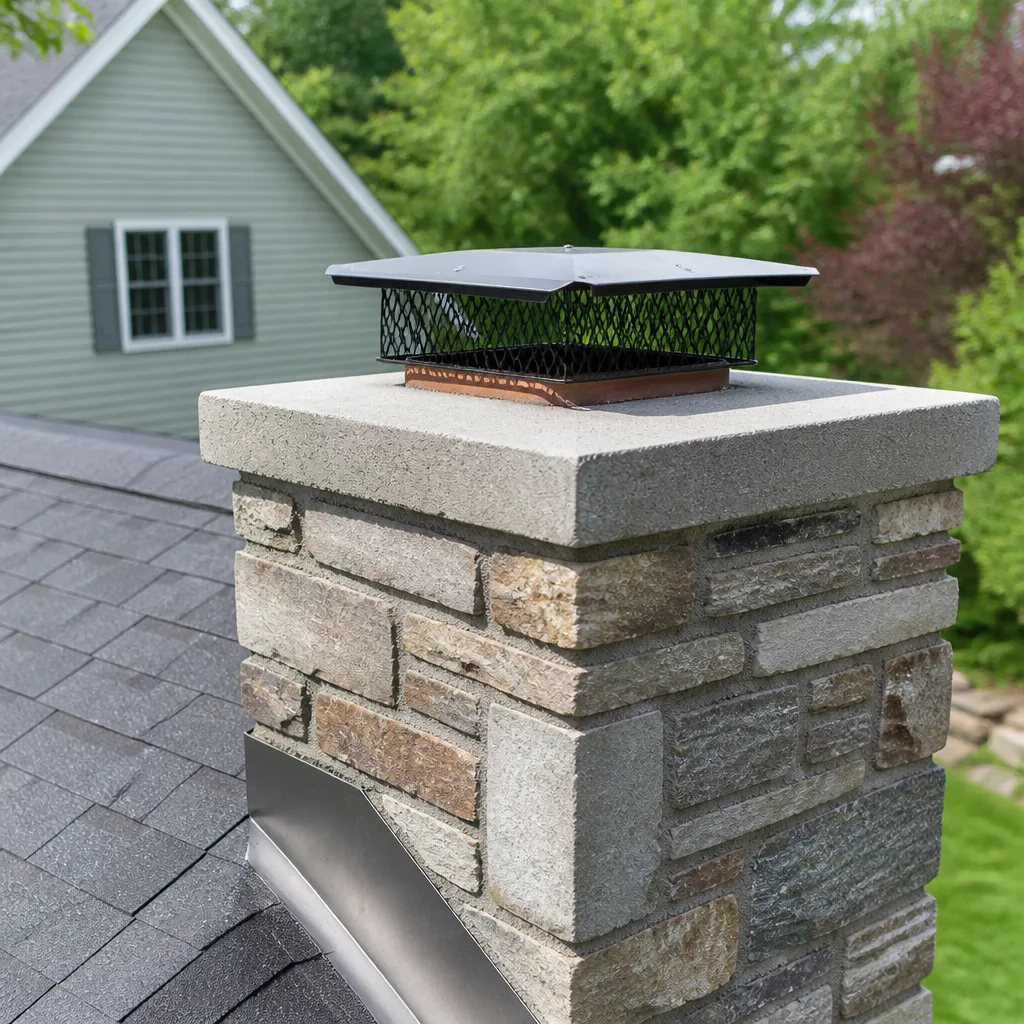 Sweep & inspection
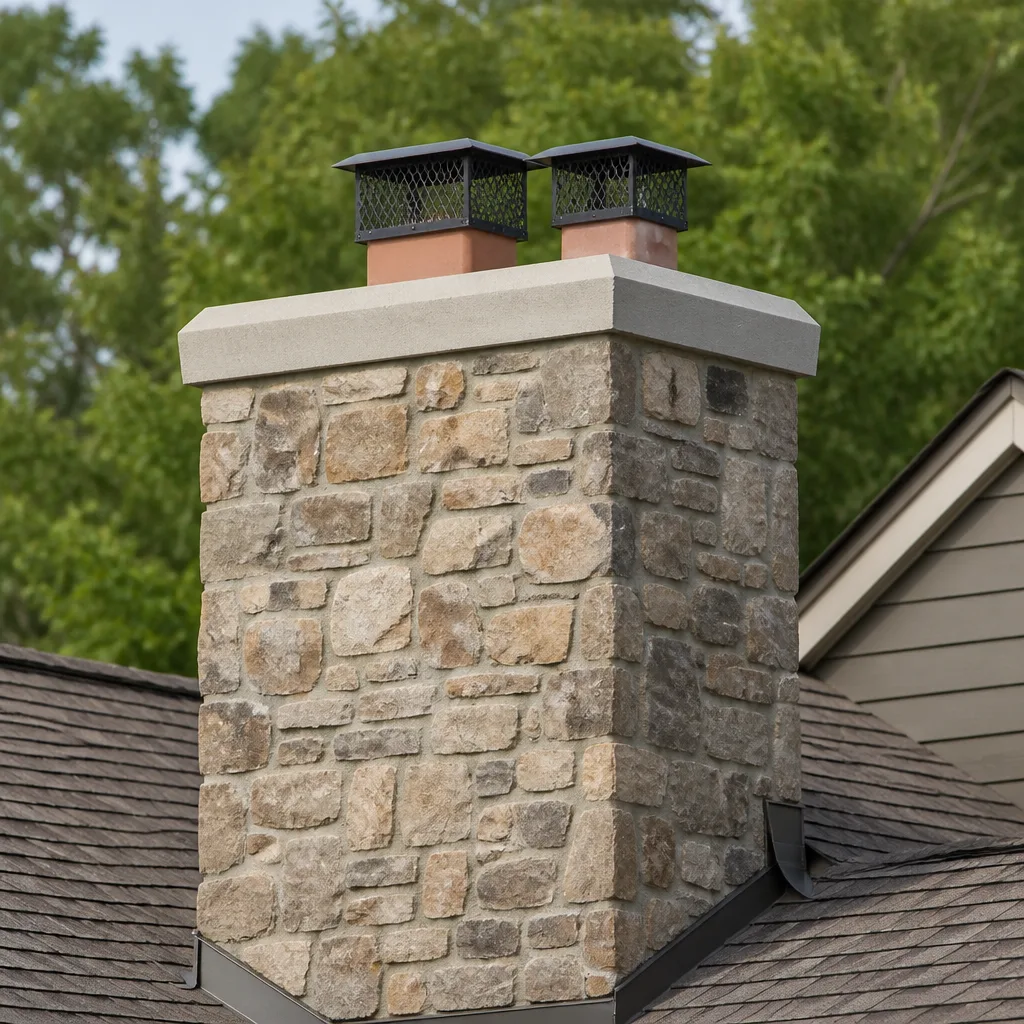 Caps & crowns
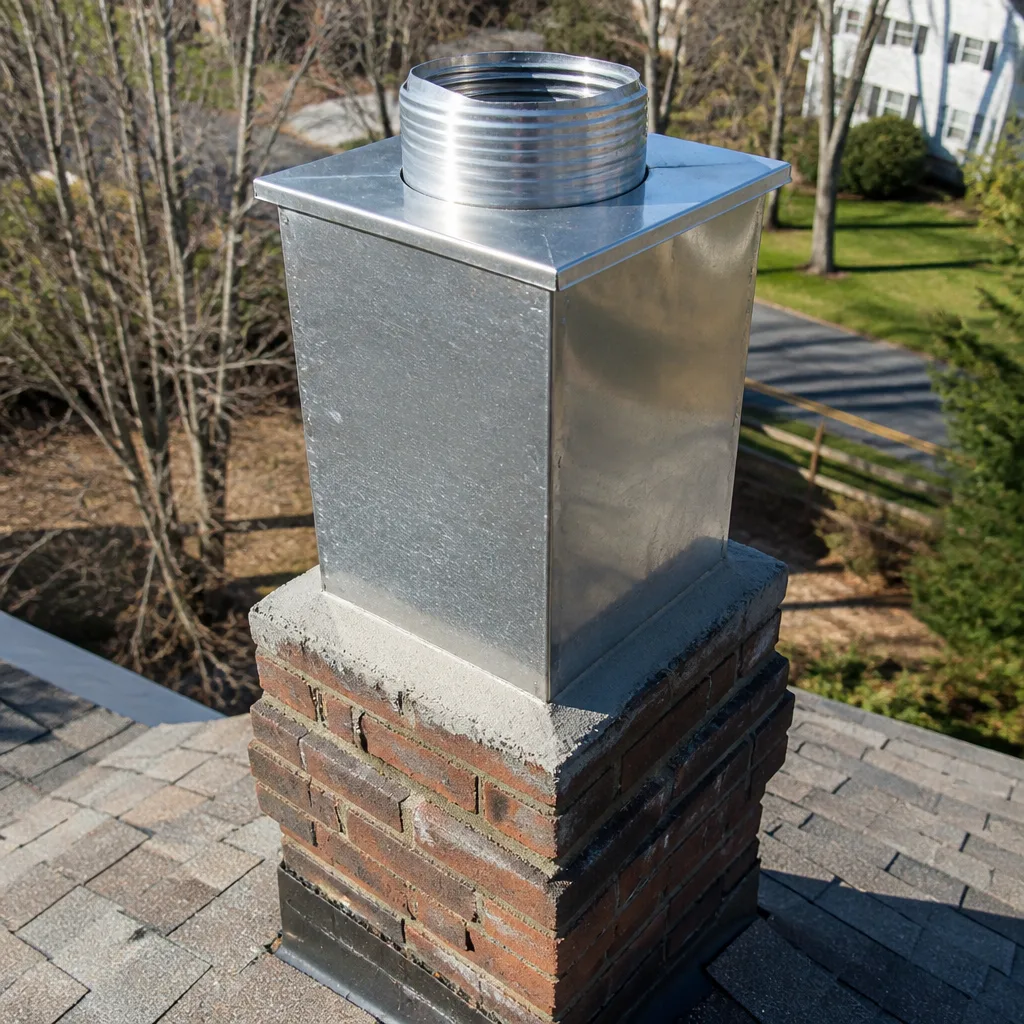 Flue relining
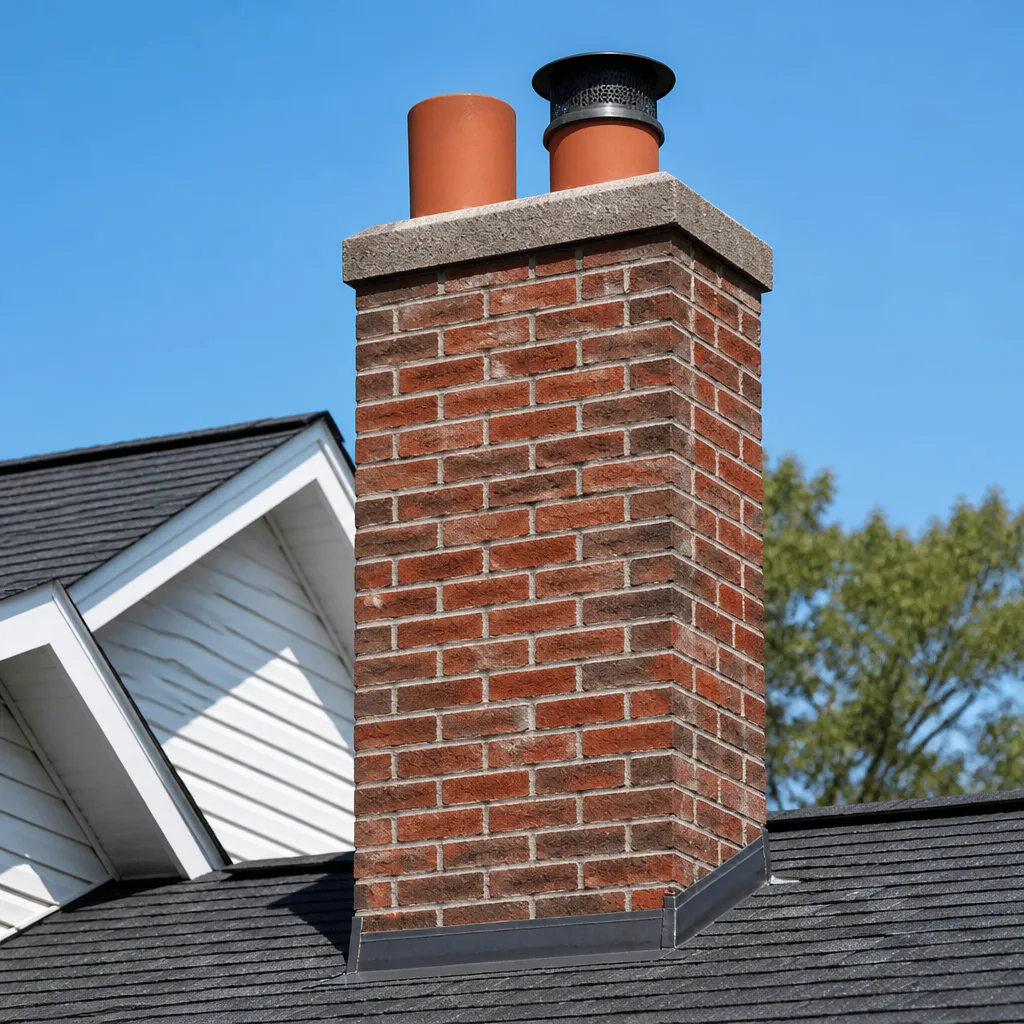 Masonry repair
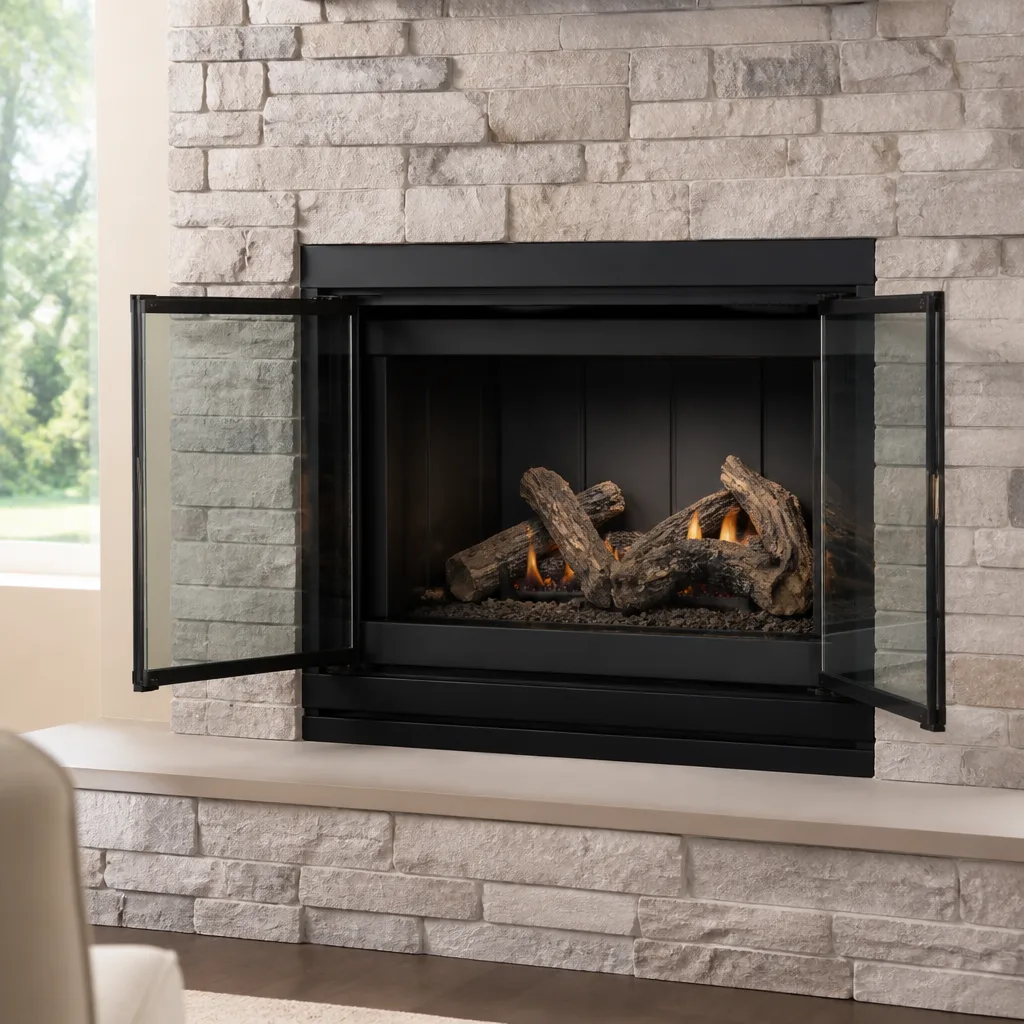 Gas fireplace service
Level 1 sweep and inspection to the NFPA 211 annual standard - flue, crown, cap, and flashing checked and photographed
Chimney sweep logs do not sweep chimneys. They loosen some creosote - which then falls where a brush and vacuum still have to collect it.
Seasonal Chimney Cleaning Care for Hollywood: Year-Round Homeowner’s Guide
The standard advice to schedule a chimney sweep every fall was written for climates where fires burn from November through March. In Hollywood, where a fireplace might see a dozen uses a year, following that advice alone leaves the chimney’s real vulnerabilities unaddressed for eleven months. The stressors here aren’t long cold winters. They’re a defined wet season, hurricane exposure, humid air, and a long stretch of dormancy when nobody’s looking up the flue. This guide rebuilds the chimney care calendar around what actually happens to Hollywood chimneys, month by month, so you’re maintaining the system that exists here rather than the one national advice assumes.
Quick Answer
Chimney care in Hollywood should follow a wet-season and storm-season schedule, not a fall-before-burning schedule. The most important checks happen before hurricane season in late spring, after storm events pass through, and just before the brief cool stretch when the fireplace finally gets used. A sweep once a year still matters, but timing it to the wet season rather than the fall gives your chimney the protection it actually needs in this climate.
Styles & brands we work with
- Sweep & inspection
- Caps & crowns
- Flue relining
- Masonry repair
- Gas fireplace service
Table of Contents
- Why Hollywood Chimneys Follow a Different Calendar
- Month-by-Month: What to Monitor Through the Year
- The Wet Season: When Moisture Does the Most Damage
- Pre- and Post-Hurricane Season Chimney Checks
- Preparing a Rarely-Used Fireplace for Fireplace Season
- Proactive Seasonal Checks vs. Reactive Repair: The Long-Term Cost
- When a Hollywood Homeowner Should Call a Professional
- Frequently Asked Questions
Why Hollywood Chimneys Follow a Different Calendar
National chimney advice is built on a simple assumption: the fireplace gets used every day for four or five months, then sits idle the rest of the year. That model drives the “sweep in fall” rule. Hollywood breaks that assumption in two directions at once. The fireplace sees light use during a short cool stretch, so creosote buildup is slower than in cold climates. At the same time, the chimney is under constant attack from a different source: moisture.
Between June and September, Hollywood sits in its wet season. Afternoon storms roll through with regularity, the air stays humid for months, and the chimney exterior takes a beating from wind-driven rain. Add tropical storm and hurricane exposure from June through November, and the chimney faces more weather stress in six months than many chimneys face in a year. A fall sweep doesn’t clean up water damage that’s already happened. It doesn’t put back a cap that blew off in August. Those problems get worse in the dark, and by the time you light the first fire, you may be looking at a flue that’s been compromised for months.
The shift this guide asks of you is simple: move the year’s key inspection to late spring, add a post-storm look after any significant weather, and treat the fall or early winter sweep as a final readiness check rather than the main event. That schedule matches how a Chimney Sweep Hollywood technician thinks about a Hollywood system. We’re not sweeping against a cold climate’s timeline. We’re protecting a masonry structure in a wet, warm, storm-prone one.
What “cumulative damage” means for a Hollywood chimney
Chimney failures rarely happen in a single event. A hairline crack in the crown, a slightly loose mortar joint, a cap corner that lifted in a wind gust: each one is small. Water enters, the masonry stays saturated, and the next dry spell pulls moisture out while leaving salts that flake the surface. Repeat that through a few wet seasons and a minor crack becomes a spalling brick. That’s the mechanism the calendar is designed to interrupt.
Month-by-Month: What to Monitor Through the Year
A Hollywood homeowner doesn’t need to do something every month. What matters is knowing which months carry the most risk and what to look at when they arrive. Here’s how we break down the calendar, with an eye on the local weather rhythm.
- January and February: This is the tail of the cool stretch, when the fireplace might still see use. Watch for smoke spilling into the room or a fire that’s harder to start than usual. Both can point to a flue that’s been compromised by moisture over the wet months.
- March and April: Dry, warm, and the last window before the wet season. This is the best time to book an inspection and any needed repairs so the work is done before the rain arrives. Caps, crowns, and mortar joints should all be checked now.
- May: Final pre-hurricane-season prep. Secure the cap, look for loose flashing, and get any cracked crown or missing mortar addressed before tropical systems become a factor.
- June through September: The wet season. Inspect the chimney exterior after heavy rain for water stains on the firebox, dampness near the damper, or deteriorating masonry on the chimney stack. Call if you notice any of these.
- October and November: Peak hurricane-season stress. After any named storm or serious wind event, do a quick visual check from the ground: cap intact, no visible missing bricks, no water staining.
- December: Readiness month. Have the sweep and inspection done before the fireplace gets used if it wasn’t done in spring. Confirm the damper operates, and check that the cap screen is still in place.
Two checks happen every year, no matter what: a sweep timed so the flue is clean, and a documented inspection that captures the current state of the system. Our technicians have up to 8 years of experience reading the difference between a Hollywood flue that’s just light-use idle and one that’s been quietly absorbing water all summer.
The Wet Season: When Moisture Does the Most Damage
If there’s a single idea worth taking from this guide, it’s this: for a Hollywood chimney, moisture is the aggressor, not creosote. Between June and September, the chimney is exposed to steady humidity and regular heavy rain. The water doesn’t just wet the outside. It finds every small defect in the masonry and works its way in.
Here’s what makes the wet season the highest-stakes stretch of the year:
- Humidity keeps masonry saturated for longer. In dry climates, a chimney surface dries quickly after rain. In South Florida, it stays damp for days, which gives water more time to work into cracks and joints.
- Wind-driven rain bypasses small gaps. A cap with a loose corner, a crown with a hairline crack, or a missing mortar joint lets water inside the flue where it can rust the damper, soften the firebox, or soak into the smoke chamber.
- Spalling accelerates once water is inside. When masonry absorbs water and then dries quickly, salts form at the surface and pop off the brick face. That’s called spalling, and once it starts, each wet season makes it worse.
- Animal intrusion is more likely when the cap is compromised. A cap with a lifted or broken screen gives birds, squirrels, and other animals an opening. They nest, block the flue, and leave debris behind.
The single most effective defense against all four problems is a proper cap. We install Gelco and Famco caps because they’re purpose-built for moisture exclusion and animal exclusion, and they’re the ones the trades actually rely on. A cap is not optional in this climate. It’s the first line of defense, and it should be checked before the wet season and again in early fall.
What a wet-season chimney check looks like
You don’t need to climb anything. From the ground, look for:
- Water staining on the chimney’s exterior face, especially near the top
- Missing or cracked mortar joints in the visible brickwork
- A tilted or visibly damaged cap
- Dampness inside the firebox or a musty smell when the fireplace is not in use
- Any loose bricks or deteriorated crown visible from below
If any of these turn up, get a professional look. A trained eye can tell the difference between normal weathering and the early stage of a repair that will only get more expensive the longer it sits through a wet season.
Pre- and Post-Hurricane Season Chimney Checks
Hurricane season in South Florida runs from the start of June to the end of November, and Hollywood is in the path of systems that pass through the region regularly enough that chimney care has to account for it. The good news is that the pre- and post-storm checks are straightforward if you know what you’re looking at.
Before hurricane season (late May)
This is the one chimney appointment that really should not slip. A few key items protect the chimney through the season:
- Confirm the cap is firmly attached and its screen is intact.
- Look for loose flashing where the chimney meets the roof.
- Check for any cracked crown or missing mortar joints that high wind could open further.
- Have any already-weakened masonry assessed and repaired so it isn’t the part that fails in a storm.
After any significant storm
A visual check from the ground catches the obvious storm damage:
- Is the cap still in place? A missing cap is a serious opening and needs attention quickly.
- Are there visible missing bricks, tilted sections, or a broken crown?
- Is there water staining on the chimney face or inside the firebox that wasn’t there before?
- Is the screen still attached so animals can’t move in while the chimney sits idle?
If any of those are off, book an inspection. A post-storm look isn’t just about the chimney. A damaged flue can also become a path for water during the rest of the wet season, and that turns a single storm into months of damage. If your system needs work, chimney repair should happen before the next round of weather, not after the next fire. We document the flue condition in writing during the inspection, so you have something concrete to point to for insurance or a future home sale.
Preparing a Rarely-Used Fireplace for Fireplace Season
In Hollywood, “fireplace season” is not a season in the way it is up north. It’s a handful of cool stretches where the fireplace actually gets lit, often more for the atmosphere than for real heat. The trap is treating that lightly used fireplace as if it needs no attention at all. A chimney sitting idle for ten months can still develop real problems, and a symbolic first fire in January shouldn’t be the thing that reveals them.
Here’s how we approach a rarely-used fireplace before the brief cool stretch:
- Confirm the flue is clear. Birds, squirrels, and debris find idle chimneys attractive, especially if the cap screen is compromised. A sweep before lighting clears any obstruction.
- Check the damper. It should open and close smoothly. A rusted damper (common after a wet season) can get stuck shut or fail to seal when open.
- Look at the firebox for water staining or soft brick. Both point to moisture penetration that a dry flue would not show.
- Confirm the cap is intact and the screen is attached. This matters even when the fireplace isn’t being used, since the chimney is still exposed to the weather.
- Book a sweep and inspection before the first fire. A fire readiness check catches problems before they become a fire risk, not after.
One safety note: a chimney that’s been sitting idle in a wet climate is more likely to have developed a hidden problem than one that’s used regularly. Never test a dormant fireplace with a large fire as the first thing you do after months off. Start small, pay attention to draft, and if smoke enters the room or the fire struggles to establish draft, stop and get the system inspected before using it again.
Read up on chimney sweep service if you want to know exactly what the pre-season appointment covers. It’s not just brushing the flue. It’s the full check of a system that’s been weathering a wet, warm climate since the last time you lit a fire.
Proactive Seasonal Checks vs. Reactive Repair: The Long-Term Cost
The financial argument for a seasonal calendar comes down to one simple trade: a scheduled inspection is a small, predictable cost, and a repair after a wet season of unaddressed damage is a large, unpredictable one. That’s not a scare tactic. It’s how masonry behaves in a humid climate.
Here’s the pattern we see repeatedly. A homeowner skips a spring or fall check because the fireplace isn’t being used much. A small crack in the crown or a missing mortar joint goes unnoticed. Water works in through the wet season. By the time the fireplace gets used again, the firebox is damp, the damper is sticking, and the masonry around the flue has started to spall. The repair now involves more than a cap or a crown; it may involve relining, resurfacing, or rebuilding a section of the chimney structure.
What a proactive calendar actually saves you
- A cap or crown repair done early is one of the smaller chimney repairs. Replacing a damaged firebox or rebuilding a chimney stack after years of water damage is one of the larger ones.
- A flue that’s been maintained holds its value in a home sale. A flue with unrepaired storm damage is a disclosure item that buyers negotiate against.
- HeatShield resurfacing can often restore a damaged flue without a full reline. That’s a meaningful cost difference when a problem is caught while the flue structure is still sound. If the flue is too far gone for resurfacing, we’ll tell you that plainly, because the honest answer is the one that protects your wallet and your safety.
- Documented inspections are useful for insurance and real-estate purposes, and they give you a paper trail of the system’s condition over time.
We’re not going to pretend every repair is urgent. Some work can safely wait until the dry stretch or the next scheduled visit. The key is knowing which is which, and that comes from a proper inspection, not a guess from the driveway.
When a Hollywood Homeowner Should Call a Professional
Some chimney issues you can spot from the ground. Others only become clear with a trained eye and the right tools, especially in a climate where moisture damage can be happening behind the surface. Here are the situations where we’d say make the call rather than wait:
- Any visible storm damage after a wind event, even if it looks minor
- Water staining on the chimney face, inside the firebox, or near the damper
- A cap that’s missing, tilted, or has a broken screen
- Smoke spilling into the room, or a fire that struggles to draw
- Spalling brick or visible missing mortar joints on the chimney stack
- The start of a cool stretch, when the fireplace is about to see real use for the first time in months
- Anything you’re uncertain about before a home sale or insurance renewal
Chimney sweeping, inspection, and repair all happen with the same company, so there’s no handoff and no second crew to schedule. We name the brands we use, and we work with DuraFlex, HeatShield, Gelco, Famco, Olympia Chimney, and Copperfield product lines because the materials matter as much as the labor. If you’re in Hollywood and want an honest assessment of where your chimney stands, call (833) 974-6567. We answer 24/7, and fast dispatch from 7am to 7pm, Sunday through Friday. Estimates are free.
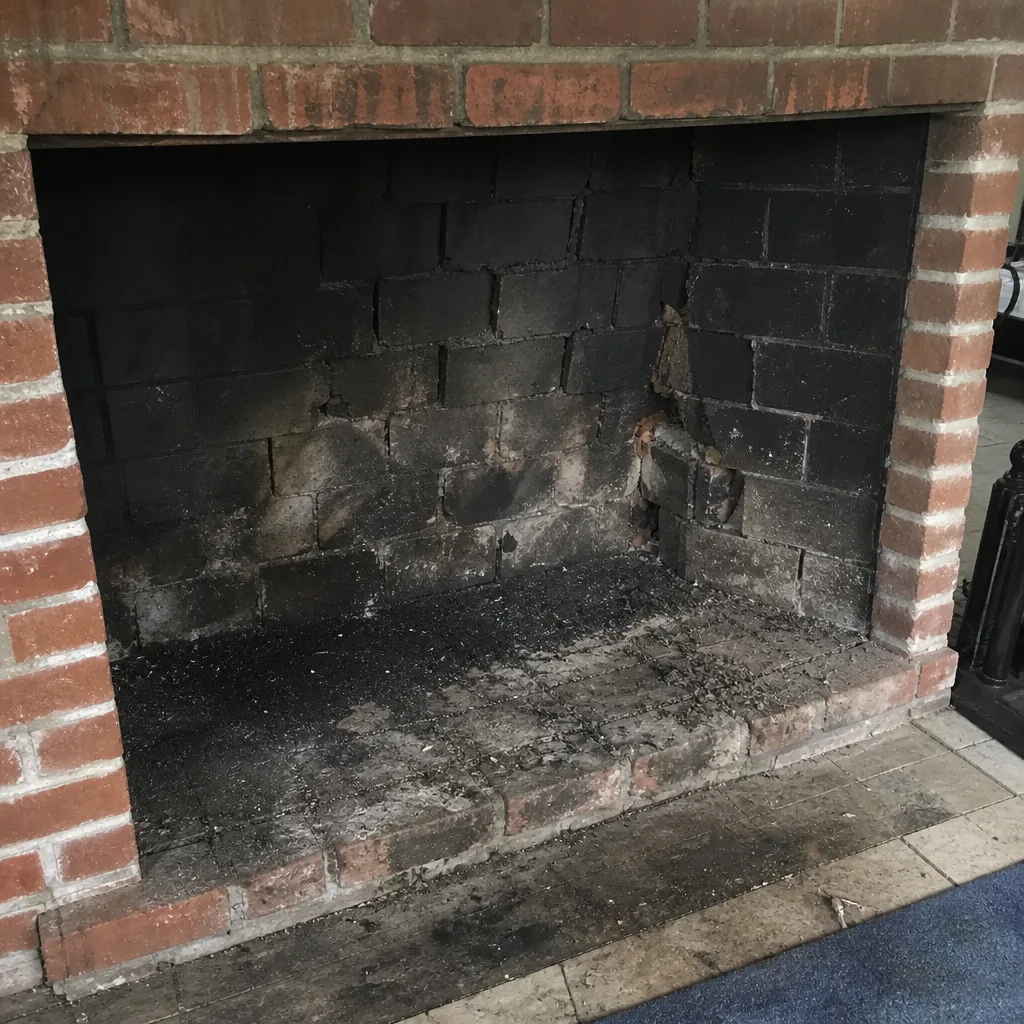
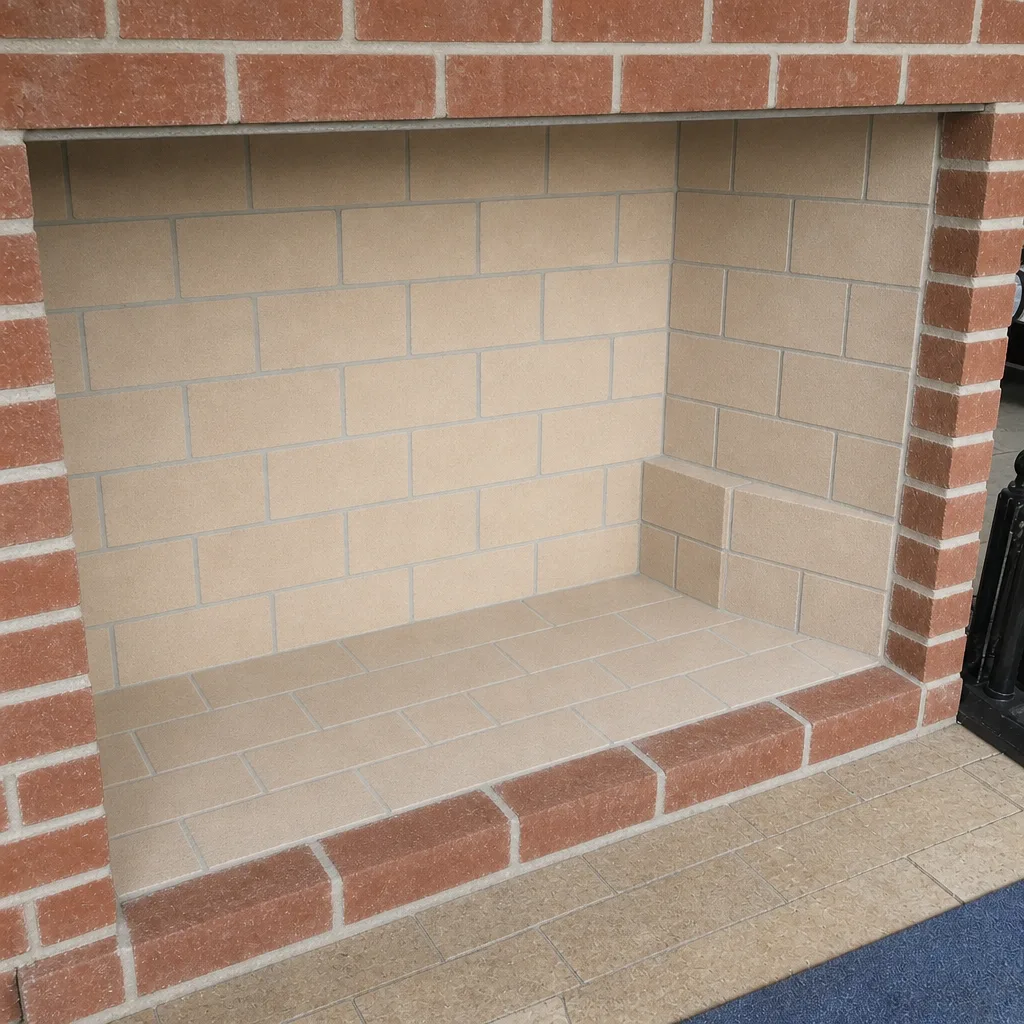
See the difference
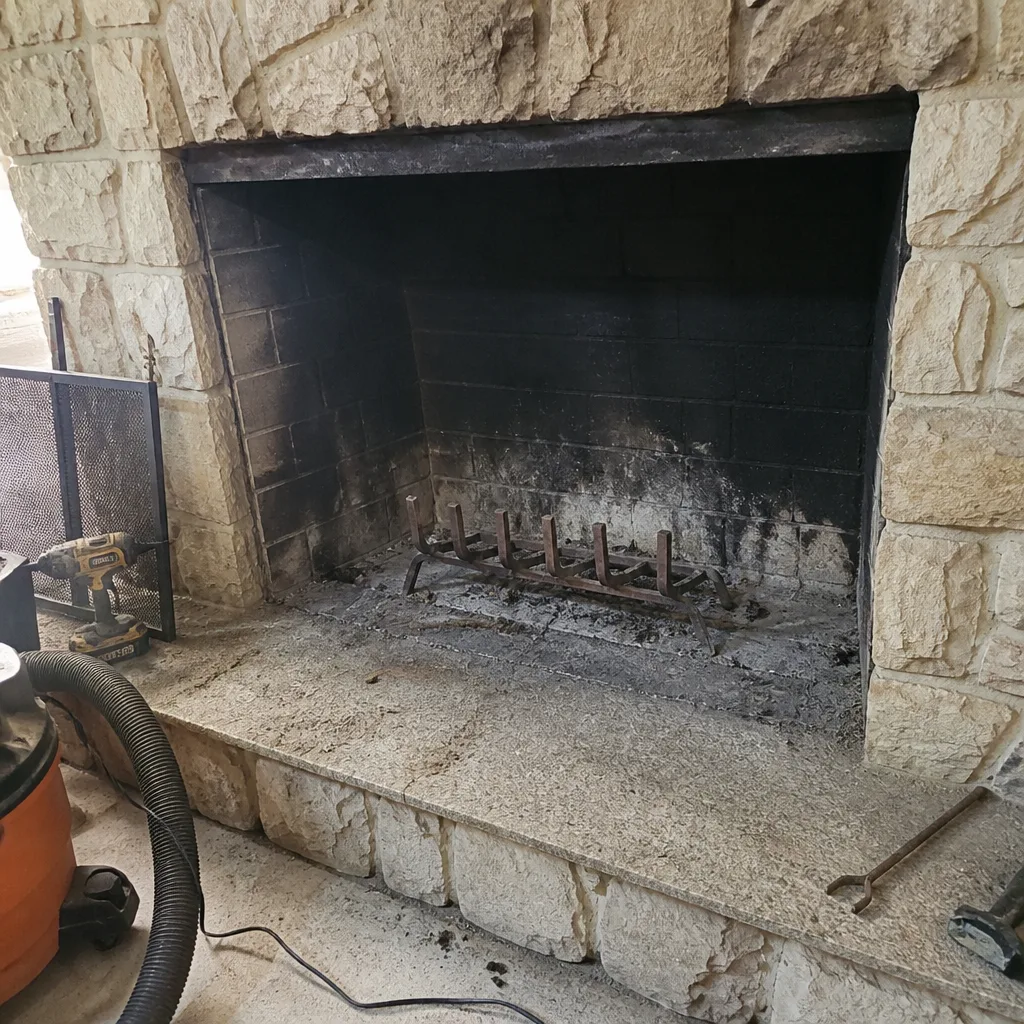 Before
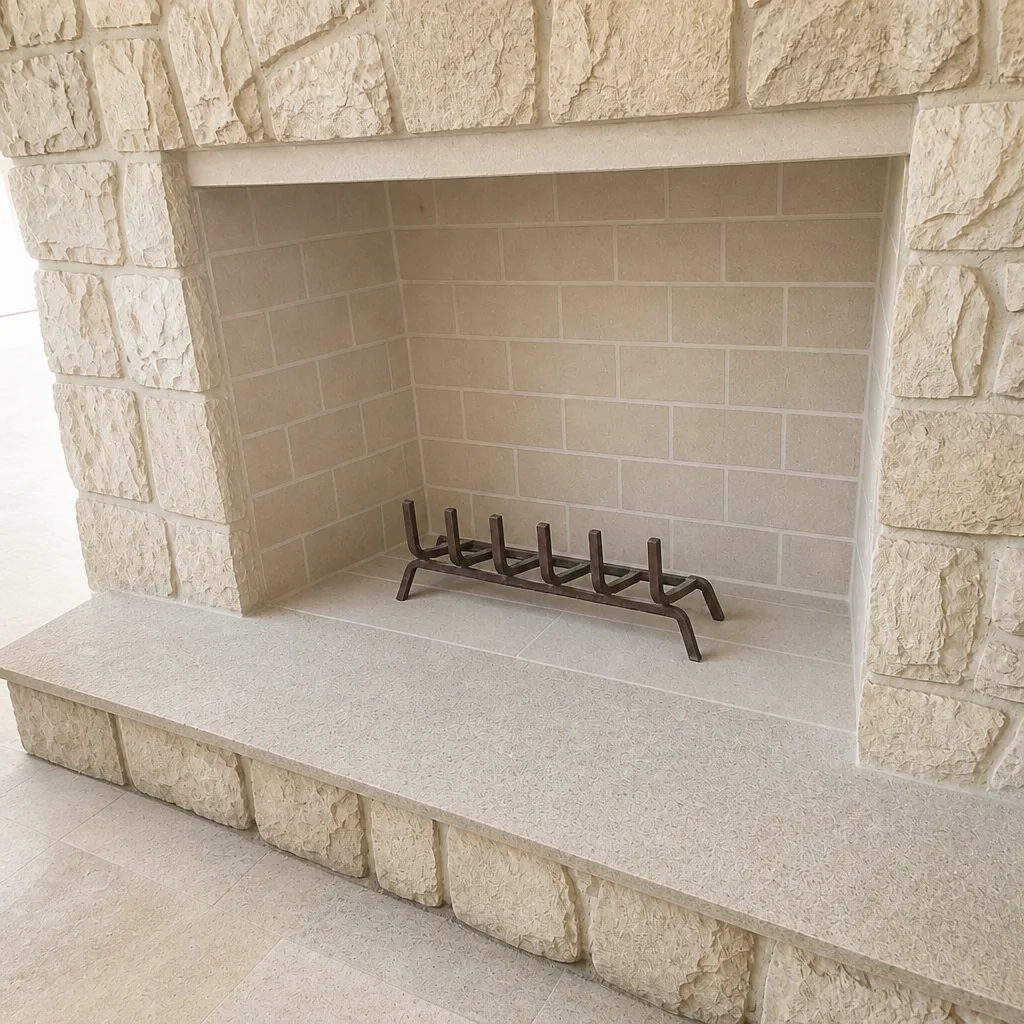 After
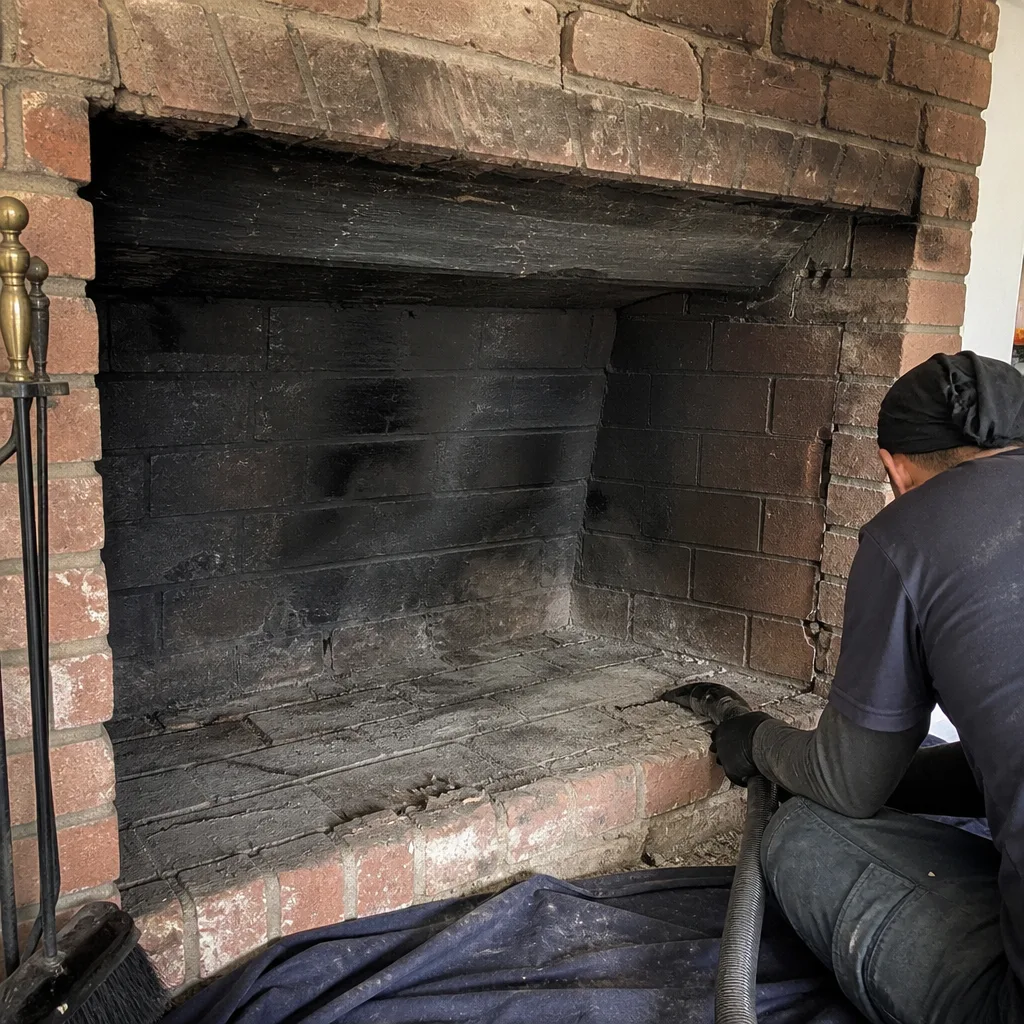 Before
 After
 Before
 After
Common Mistakes to Avoid
- Following a fall-only sweep schedule. National advice assumes a cold-climate burn pattern. In Hollywood, the sweep still matters, but it’s the wet-season and storm-season checks that protect the system. Skipping those to save an appointment leaves the chimney exposed through the most damaging stretch of the year.
- Treating a cap as optional. A missing or damaged cap is the single most common way chimneys get water damage in this climate. If the cap is loose, tilted, or its screen is broken, that’s a repair to schedule, not a detail to defer.
- Assuming a rarely-used fireplace is a safe one. Months of idle time in a humid climate is exactly when moisture damage and animal intrusion happen. The first fire of the season should follow an inspection, not replace one.
- Ignoring the chimney after a storm. A chimney that comes through a wind event with a broken cap or a loose joint looks “fine” from the ground until rain gets inside. Post-storm checks are cheap; storm damage left to soak through a wet season is not.
- Following a national checklist that misses local risks. Freeze-thaw cycles dominate northern advice. Hollywood’s stressors are humidity, wet-season rain, and tropical weather. Use a calendar built for this climate, not one written for New England.
- Skipping the inspection because the fireplace “looks fine.” Water damage is cumulative and often invisible until the surface fails. The inspection is where small problems get caught before they turn into structural repairs.
When to Call a Professional
The right time to call is before the wet season opens in June, before the fireplace sees its first fire, and after any named storm or serious wind event. Those three moments cover the biggest risks in a Hollywood chimney’s year. Outside of the calendar, anything you notice that points to water or storm damage is worth a call rather than a wait. A visible crack, a cap issue, water staining, or smoke where it shouldn’t be are all signals to stop guessing. Chimney Sweep Hollywood offers free estimates in Hollywood, and the estimate is set per job in writing so you know exactly what you’re agreeing to. Call (833) 974-6567 with your questions. We answer 24/7. Fast dispatch from 7am to 7pm, Sunday through Friday.
Frequently Asked Questions
Once a year is the usual schedule for a fireplace that sees regular use, but for a lightly used Hollywood fireplace the sweep is only part of the year’s care. The bigger priority is the timing: a sweep before the fireplace season, plus checks around the wet season and hurricane season. Call (833) 974-6567 for an exact scope of work. Estimates are free.
Likely yes, at least once a year, because a lightly used flue still collects debris, animal nesting material, and moisture-related buildup during the long idle stretch. A clean flue is the starting point for every other check. If your fireplace sees light use, the sweep can typically coincide with the inspection. Call (833) 974-6567 to book. Estimates are free.
Because moisture, not creosote, is the main threat in this climate. Between June and September, rain and humidity work into any crack, loose joint, or compromised cap, and the damage compounds each season. The fireplace season itself is short. The moisture exposure is long. That’s why the calendar here is built around the wet months instead of the burning months. Call (833) 974-6567 for a pre-season inspection. Estimates are free.
From the ground, check whether the cap is still attached and its screen intact, whether any bricks are visibly missing or the crown looks broken, and whether new water staining has appeared on the chimney face or inside the firebox. Any of those means schedule an inspection before the next rain event. Call (833) 974-6567 after a storm. We answer 24/7. Fast dispatch from 7am to 7pm, Sunday through Friday.
Often yes. HeatShield ceramic resurfacing restores a flue’s inner surface when the structural damage hasn’t progressed too far, which saves the cost of a full liner replacement. Whether your flue qualifies depends on what the inspection finds. We’ll show you the evidence and tell you honestly which option you actually need. Call (833) 974-6567 to schedule the inspection. Estimates are free.
Yes. The inspection documents flue condition in writing, which gives you a clear record for an insurer, a real-estate disclosure, or a warranty. A homeowner with documented chimney maintenance avoids the scramble that a buyer’s inspector can trigger. Call (833) 974-6567 to get the inspection on the calendar. We answer 24/7.
The Bottom Line
Hollywood’s climate asks a different question than most chimney advice answers. The annual fall sweep is a good starting point, but the real protection comes from a calendar built around the wet season and hurricane season: a spring inspection before the rains, post-storm checks after any significant wind event, and a sweep before the fireplace sees its first fire. None of this is complicated, and the costs are predictable when the checks happen on schedule. The pattern that gets expensive is the reactive one, where a wet season of small, unaddressed problems turns into a structural repair the following year. Sweep. Inspect. Repair. All three, one company, on a calendar that matches this climate.
Call (833) 974-6567 for a free estimate. We answer 24/7. Fast dispatch from 7am to 7pm, Sunday through Friday.
Written by the team at Chimney Sweep Hollywood.