
Last updated November 15, 2026
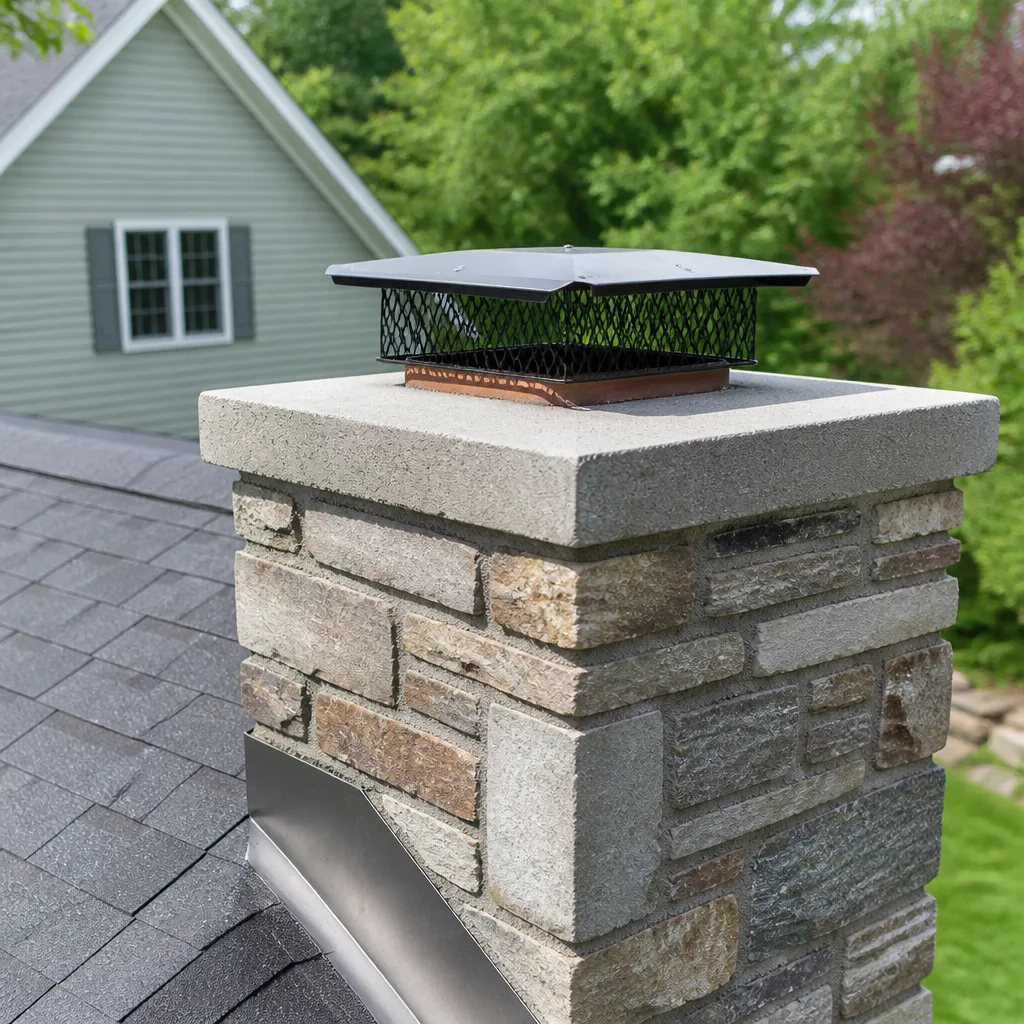 Sweep & inspection
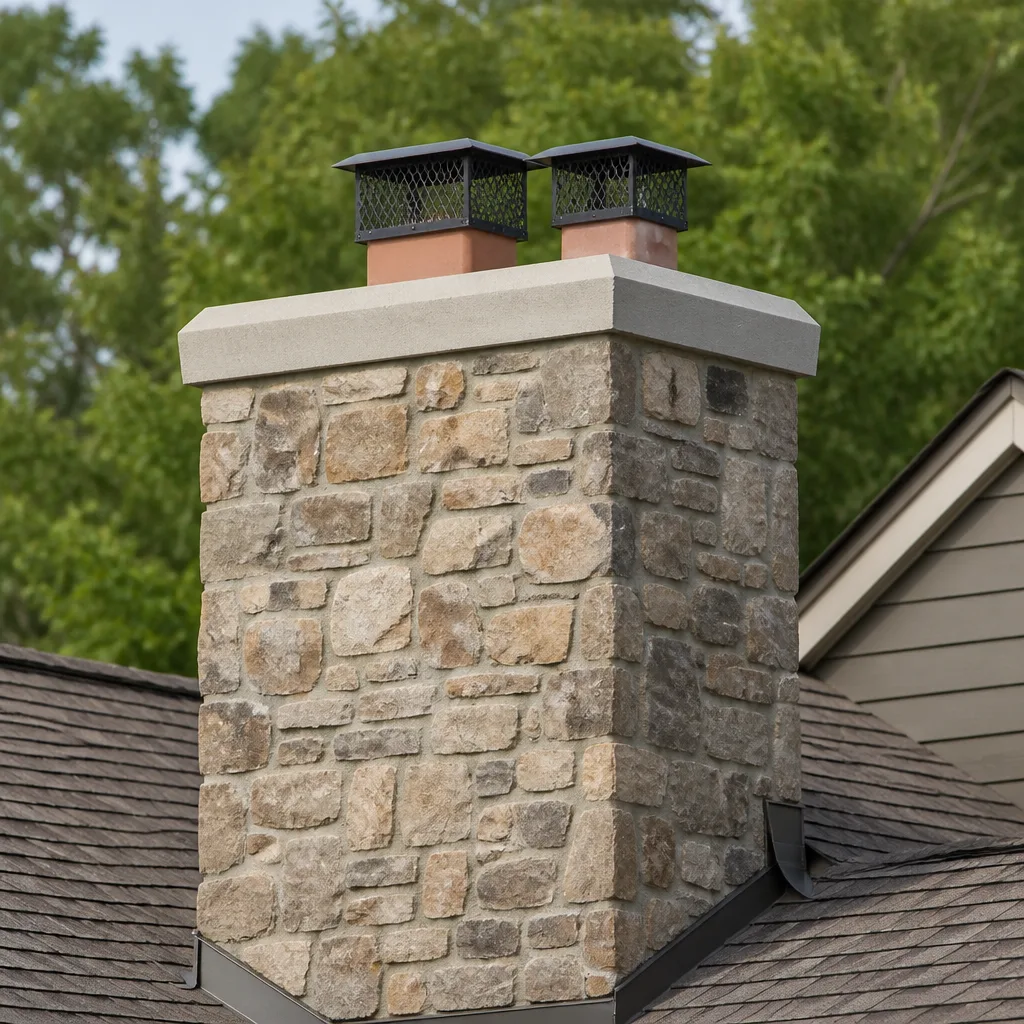 Caps & crowns
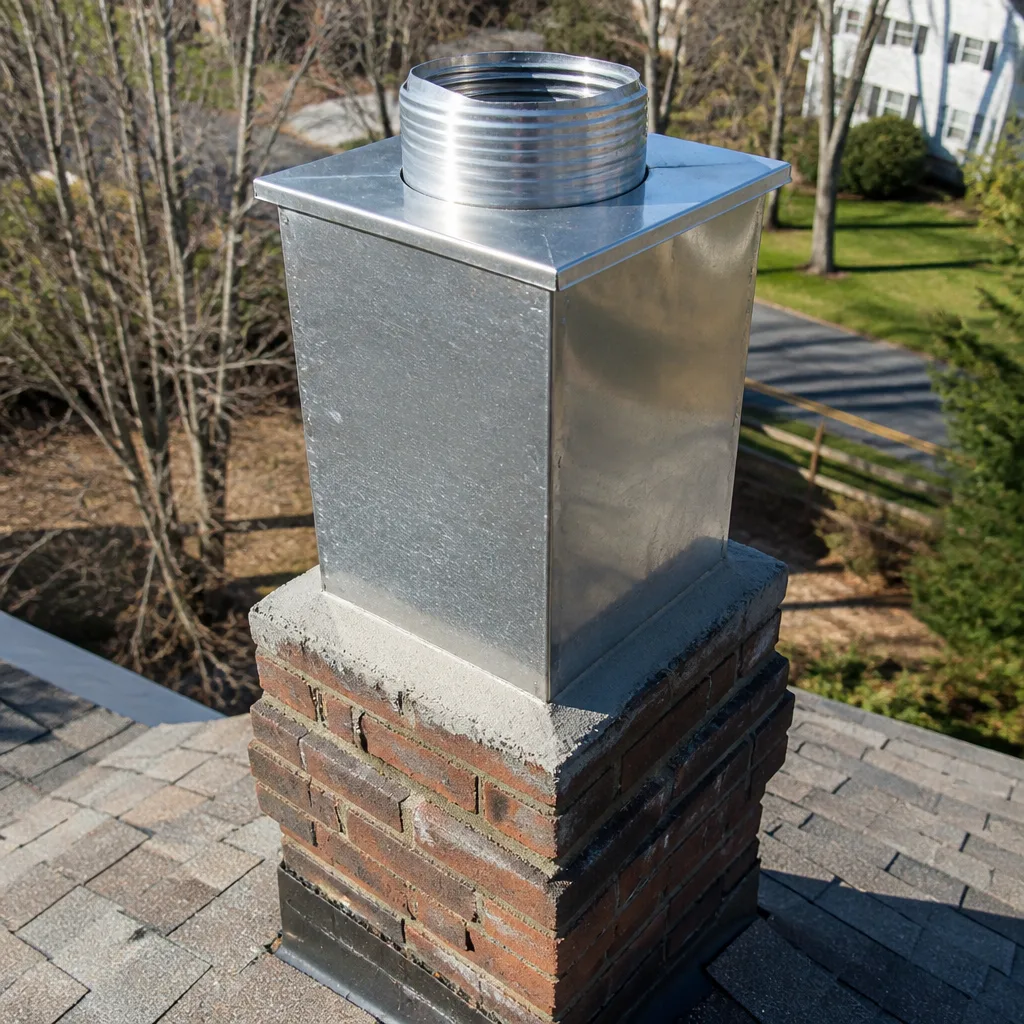 Flue relining
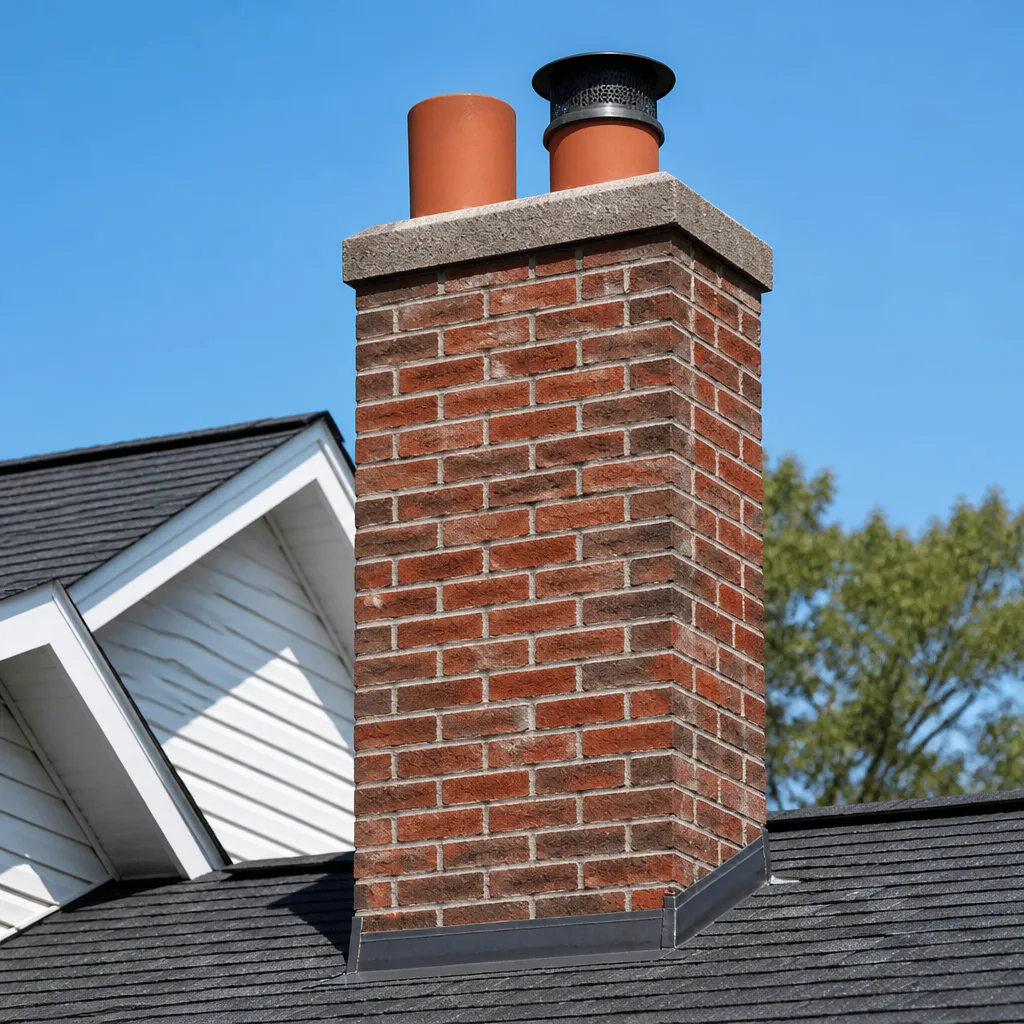 Masonry repair
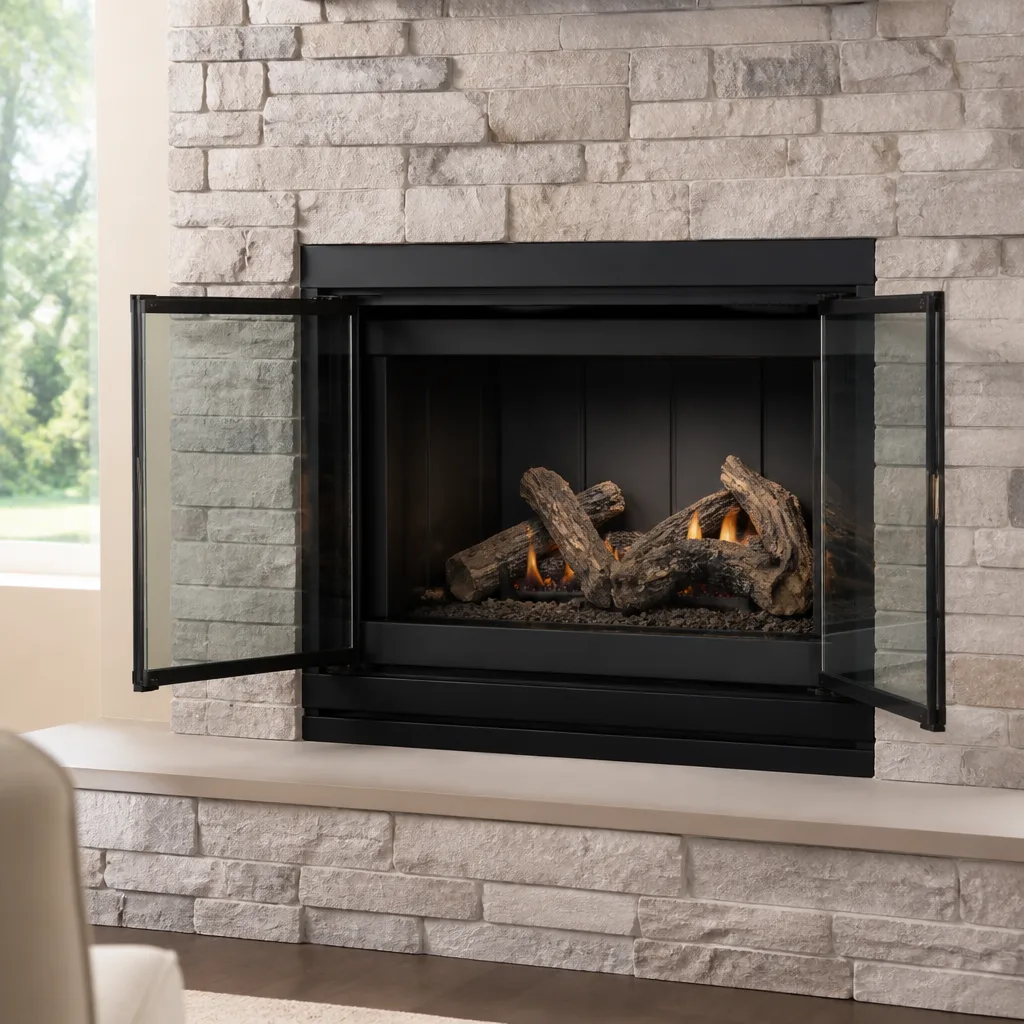 Gas fireplace service
Level 1 sweep and inspection to the NFPA 211 annual standard - flue, crown, cap, and flashing checked and photographed
Chimney sweep logs do not sweep chimneys. They loosen some creosote - which then falls where a brush and vacuum still have to collect it.
How to Hire a Chimney Cleaning Contractor in Hollywood: A Step-by-Step Guide
Florida does not require a state chimney contractor license. That surprises most homeowners, and it’s the single fact that makes hiring here harder than it should be. The company quoting you $79 and the one quoting $350 may hold the same legal standing to do the work, so the price difference tells you nothing about who’s actually qualified. What separates them is what the technician knows, what products they carry, and whether they can show you evidence instead of adjectives.
This guide gives you a vetting framework you can use in Hollywood before you book anyone. You’ll learn what CSIA certification really means, five technical questions that expose whether a contractor understands chimney systems, why a generalist adding chimney work is a structural problem, and how to compare quotes when two contractors describe the same job in completely different language.
Quick Answer
To hire a chimney cleaning contractor in Hollywood, verify CSIA certification through the Chimney Safety Institute of America’s public directory, ask about flue construction and liner materials specific to your home, confirm the contractor handles sweep, inspection, and repair under one company rather than handing you off, and require a written inspection report with photos. Because Florida has no universal chimney licensing requirement, those checks replace the license verification you’d rely on in most other trades.
Styles & brands we work with
- Sweep & inspection
- Caps & crowns
- Flue relining
- Masonry repair
- Gas fireplace service
Table of Contents
- Why Chimney Contractors in Hollywood Aren’t Licensed the Way You Expect
- What CSIA Certification Actually Means (And Why It’s the Floor)
- Five Technical Questions to Ask Before You Book
- Why a Handyman or HVAC Company Adding Chimney Work Is a Problem
- What a Real Inspection Report Contains
- How to Compare Quotes When the Scope Is Described Differently
- Step-by-Step: The Hiring Process From First Call to Signed Estimate
- Why the Product Lines Matter as Much as the Labor
Why Chimney Contractors in Hollywood Aren’t Licensed the Way You Expect
Start with the uncomfortable reality: Florida does not issue a statewide chimney contractor license. There is no state credential that says “this person is qualified to clean, inspect, and repair your chimney.” What exists instead is a patchwork. A contractor may hold a general contractor license, a home inspection license, or nothing at all beyond a business tax receipt, and still legally market chimney services.
That changes the entire logic of hiring. In a licensed trade you verify the license and move on. Here, you have to verify capability directly, which means asking questions that reveal technical understanding rather than administrative compliance.
It also means marketing language carries no weight. “Certified,” “professional,” “expert,” and “licensed and insured” appear on nearly every chimney contractor’s website and van in Hollywood. Some of those claims are accurate and verifiable. Some are decorative. The problem is that from the outside, they look identical.
What you can verify:
- CSIA certification through the Chimney Safety Institute of America’s public directory, by name.
- General liability insurance through a certificate of insurance the contractor provides on request.
- Business registration through Florida’s Sunbiz database.
- Product authorization by asking which liner and cap brands they install and whether they’re authorized to source them.
Notice that three of those four are documents you can request and check yourself. The fourth is a question. That’s the shape of hiring in this market: paperwork plus interrogation.
What this means for homes in Hollywood
Hollywood’s housing stock runs from mid-century homes near downtown to newer construction west toward the turnpike. Older masonry chimneys and newer factory-built metal fireplaces have completely different inspection requirements and repair paths. A contractor who only knows one type will either miss problems in the other or recommend work that doesn’t apply. Ask what kind of chimney your home has and listen for whether the answer is specific or generic.
What CSIA Certification Actually Means (And Why It’s the Floor)
CSIA certification is a real credential issued by the Chimney Safety Institute of America. It requires passing an exam and maintaining continuing education, and it’s verifiable through the CSIA’s public directory. It’s also the minimum, not the finish line.
Here’s the distinction most homeowners miss. CSIA certification confirms a technician has demonstrated knowledge of chimney and venting systems and passed a standardized exam. It does not tell you what product lines the company is authorized to install, whether they can perform HeatShield flue resurfacing, whether they carry DuraFlex flexible liner systems for offset flues, or whether they stock Gelco and Famco caps. Two CSIA-certified companies can have completely different capabilities.
Think of it this way:
- CSIA certification = you can trust the person understands chimney systems.
- Product authorization = you can trust the company can actually solve your specific problem.
- Written documentation = you can trust the evidence they give you when you’re not watching.
You want all three. If a contractor has only the first, they may correctly diagnose a cracked flue and then not be able to install the liner your home needs. That usually means a referral, a second appointment, and a second crew in your house.
How to verify CSIA certification
- Ask the contractor for the name on their CSIA certification.
- Search that name in the Chimney Safety Institute of America’s public directory.
- Confirm the certification is active, not lapsed.
- Ask which technician will actually be in your home and whether that person is the certified one.
That last step matters. A company can hold certification at the ownership level while sending an uncertified technician. Ask directly.
Five Technical Questions to Ask Before You Book
These questions separate people who understand chimney systems from people who bought a brush and a vacuum. You’re not testing for trivia. You’re listening for specificity, acknowledgment of limits, and language that reflects actual field knowledge.
1. “What kind of chimney do I have, and what does that change about the inspection?”
A knowledgeable answer distinguishes between masonry chimneys and factory-built metal fireplaces, and mentions that factory-built units have manufacturer-specific venting requirements that limit what can be installed. A weak answer describes the general process without asking about your specific system.
2. “What’s the flue liner made of, and what condition would you expect given its age?”
A good contractor explains that clay tile liners crack, that older homes commonly have unlined or damaged flues, and that a camera inspection is how you confirm condition rather than guessing. A vague answer about “checking it during the sweep” tells you they’re not going to look closely.
3. “If the flue is damaged, what are my options besides a full reline?”
This is the question that separates specialists from generalists. HeatShield ceramic resurfacing can restore a damaged flue in some cases without a full liner replacement. A contractor who only offers relining has one answer for every problem, and that’s a structural incentive to recommend relining whether you need it or not.
4. “Do you carry a camera, and will I see the footage?”
A real answer is yes to both. A contractor who inspects without a camera is inspecting the accessible portion of the flue and guessing at the rest. Ask whether photos or video come with the report.
5. “What does your inspection report contain, and will I get it in writing?”
Listen for specifics: documented condition ratings, photographs, identified defects, and recommendations with reasoning. If the answer is “we’ll let you know what we find,” that’s not a report, that’s a conversation.
Bonus question: “Do you install caps, and which brands?”
Caps are the most commonly skipped part of chimney service, and they’re the first line of defense against moisture and animals. A company that sweeps without addressing the cap is solving half the problem. Ask which brands they install and whether the cap is included in the quote or quoted separately. You’ll hear names like Gelco and Famco from companies that actually do the work.
Why a Handyman or HVAC Company Adding Chimney Work Is a Problem
It looks convenient. One company, more services, fewer phone calls. The reality is that chimney work requires a different set of tools, training, product relationships, and diagnostic habits than HVAC or general repair, and a company adding it as a line item rarely builds all four.
Here’s the structural conflict. An HVAC company’s business is installing and servicing heating and cooling equipment. Chimney work is adjacent, sometimes overlapping when it comes to venting gas appliances, but the skills aren’t interchangeable. A handyman’s business is doing many things at a competent level. Chimney diagnosis and repair require depth in one thing.
What this looks like in practice:
- No camera. The inspection stops at what’s visible from the firebox.
- One repair option. Whatever they’re set up to do is what they recommend.
- No cap inventory. Moisture and animal exclusion get deferred or referred out.
- No product authorization. Generic liners installed without manufacturer-specific guidance.
- Referral chains. The sweep is done by one company, the repair by another, the inspection by a third.
The specialist model is the opposite: Chimney Sweep Hollywood handles sweeping, inspection, and repair as one scope, with the same company and the same crew. That matters because the person who finds the problem is the person accountable for solving it. No handoffs, no second appointment with a crew that hasn’t seen your chimney.
This doesn’t mean every generalist is dangerous. It means you should ask whether chimney work is their primary business or a sideline, and weight the answer accordingly.
What a Real Inspection Report Contains
A legitimate chimney inspection report is a document, not a verbal summary. It should be something you can hand to an insurer, attach to a real estate disclosure, or file for your own records. If you can’t hold it in your hand or open it as a PDF, it doesn’t count.
What a real report includes:
- System identification. The type of chimney, the fuel type, and the venting configuration.
- Condition documentation. The state of the firebox, damper, smoke chamber, flue liner, crown, and cap, described individually.
- Photographic or video evidence. Images of what the camera saw, not just a written description.
- Defects identified. Specific problems with location and severity, not a general impression.
- Recommendations with reasoning. What should be done, why, and what can wait.
- A clear pass/fail or condition rating that means something to a third party reading it cold.
What a one-page pass/fail form includes: a checked box, a signature, and no usable information. That form won’t help you at insurance renewal, it won’t satisfy a buyer’s inspector during a home sale, and it won’t tell you whether the flue is actually safe to use.
Why this matters more in Hollywood than you’d think
Hollywood homes turn over, insurers ask questions, and buyers ask for documentation. A chimney inspection report from a qualified contractor is a record you may need years after the sweep. We document every inspection in writing so you have something to show your insurer, your buyer, or yourself.
What the three inspection levels mean
The chimney industry recognizes three inspection levels, and knowing which one you’re getting prevents surprise charges:
- Level 1: Visual inspection of readily accessible portions during a routine sweep. Appropriate when the system hasn’t changed and there’s no known problem.
- Level 2: Includes a camera inspection of the flue interior. Required after a chimney fire, after a change in fuel type or appliance, and during a real estate transaction.
- Level 3: Involves accessing concealed areas, sometimes with demolition. Reserved for serious suspected defects.
If you’re selling a Hollywood home or your insurer has asked for documentation, you want a Level 2. Ask which level the quote covers before you book.
How to Compare Quotes When the Scope Is Described Differently
Two contractors can quote the same chimney and describe completely different jobs. One lists “chimney sweep.” The other lists “sweep, Level 2 camera inspection, cap inspection, photo report.” The first isn’t cheaper; it’s smaller. Comparing prices without comparing scope is how homeowners end up paying twice.
Here’s the comparison framework:
- Sweep scope. Does the quote specify the firebox, smoke chamber, and flue, or just “sweep”?
- Inspection level. Is it Level 1 or Level 2? Is camera inspection included or an add-on?
- Report format. Written report with photos, or verbal summary?
- Cap included. Is the cap inspected, and if it needs replacement, is that quoted separately?
- Repair authorization. If the inspection finds damage, does the quote say what happens next and who does the work?
- Product lines named. Does the quote name the liner or resurfacing product, or just “liner”?
Ask each contractor to break their quote into those categories. The quotes that come back itemized are comparable. The ones that come back as a single number are not, and the contractor who can’t break down their own scope can’t tell you what they’re going to do.
A note on quotes that seem too good
A sweep quote that’s far below the others usually reflects one of three things: a sweep without inspection, a sweep that will be followed by an upsell call, or a technician without certification. On the flip side, a quote that’s far above the others may include repair work you don’t need. The scope comparison is how you tell which is which.
If you’re comparing repair options, ask specifically about chimney repair capabilities and whether resurfacing is on the table as an alternative to relining. A specialist can explain when HeatShield resurfacing will hold and when only a full DuraFlex liner will do. A generalist will usually have one answer.
Step-by-Step: The Hiring Process From First Call to Signed Estimate
Here’s the sequence that gets you a qualified contractor without wasting three appointments discovering the first two weren’t qualified.
- Identify what you have. Masonry chimney, factory-built fireplace, gas insert, or wood stove. Note the fuel and any recent changes. This tells you which questions matter most.
- Ask the certification question on the first call. “Are you CSIA certified, and who will be in my home?” If the answer is vague, that’s your answer.
- Ask about product lines in the same call. Which liners, which caps, which resurfacing products. A specialist names them without hesitation.
- Ask for the inspection level and report format. Level 2 with photos is the standard for anything beyond routine maintenance.
- Request a written quote before any work starts. The quote should itemize sweep, inspection, and any identified repairs separately.
- Confirm the scope in writing before booking. If it isn’t written down, it isn’t agreed.
- Review the inspection report and compare options. Ask the contractor to explain why each recommendation is being made, and whether any of it can safely wait.
Notice that steps two through five all happen on the phone, before anyone comes out. That’s the point. The vetting happens before the appointment, not during it.
What to do if the answers don’t line up
If a contractor can’t tell you which inspection level they perform, or can’t name the products they install, or can’t confirm certification by name, book the next one. In a market without universal licensing, the phone call is your filter.
Why the Product Lines Matter as Much as the Labor
A chimney repair is only as good as the materials installed in it. That’s not a slogan; it’s the reason specialists name their brands and generalists don’t. Generic liners, generic caps, and generic resurfacing compounds exist at lower price points and shorter lifespans, and a homeowner can’t tell the difference by looking.
Here’s what competent material choices look like:
- DuraFlex flexible liner systems for complex, offset, or older flue configurations where rigid liners can’t navigate the path.
- HeatShield ceramic resurfacing for restoring a damaged flue without a full liner replacement when the condition allows it.
- Gelco and Famco caps for closing the moisture and animal exclusion gap that sweep-only companies leave open.
- Olympia Chimney and Copperfield product lines, which professional chimney trades rely on across North America.
We name the brands we use because the materials matter as much as the labor. When a contractor won’t tell you what they’re installing, the likely reason is that it’s not a brand you’d recognize, and that’s information you should have before you sign.
If you’re in the market for a routine chimney sweep in the Hollywood area, ask the same material questions you’d ask for a repair. The sweep itself doesn’t involve liner installation, but the inspection that comes with it will reveal whether a material decision is coming, and the company doing the sweep should be the one equipped to handle it.
Why resurfacing versus relining is a capability question
HeatShield resurfacing can save you the cost of a full reline, and we’ll tell you honestly which one you actually need. But a company that doesn’t offer HeatShield only has one answer for every damaged flue: reline. That’s not a sales problem, it’s a capability problem, and the homeowner pays for it.
This is also why the Hollywood market rewards specialists. Older masonry chimneys and newer factory-built systems both need repair options, and a company carrying only one product line can only solve one kind of problem.
Common Mistakes to Avoid
- Booking on price alone. A price difference between contractors often reflects a difference in scope, not efficiency. Compare the itemized scope before you compare the total, and remember that in Florida a lower price and a higher price can both come from contractors with identical legal standing.
- Skipping CSIA verification. “Certified” on a website means nothing if it can’t be confirmed in the CSIA directory. Ask for the name and spend two minutes checking it yourself.
- Accepting a verbal inspection summary. If the report is a conversation rather than a document, you have no record for insurance, no documentation for a sale, and no way to verify what was actually found. Ask for the written report with photos.
- Ignoring the cap. A cap is not optional; it’s the first line of defense against moisture damage and animal intrusion. If your contractor doesn’t inspect the cap during the sweep, you’re leaving the most common water intrusion path unaddressed.
- Hiring a generalist for a specialist’s problem. A handyman or HVAC company can perform a routine sweep, but structural diagnosis and repair require product depth a generalist rarely has. Know which scope you’re booking.
- Not asking whether work can wait. Not every defect requires immediate repair, and a specialist will tell you plainly when something can safely be deferred. If every contractor who inspects your chimney finds thousands of dollars of urgent work, that’s worth questioning.
- Assuming a Hollywood sweep requirement based on other states. Florida’s chimney market doesn’t mirror northern states, and code enforcement varies by jurisdiction. Ask your city’s building department about local requirements rather than assuming a national standard applies.
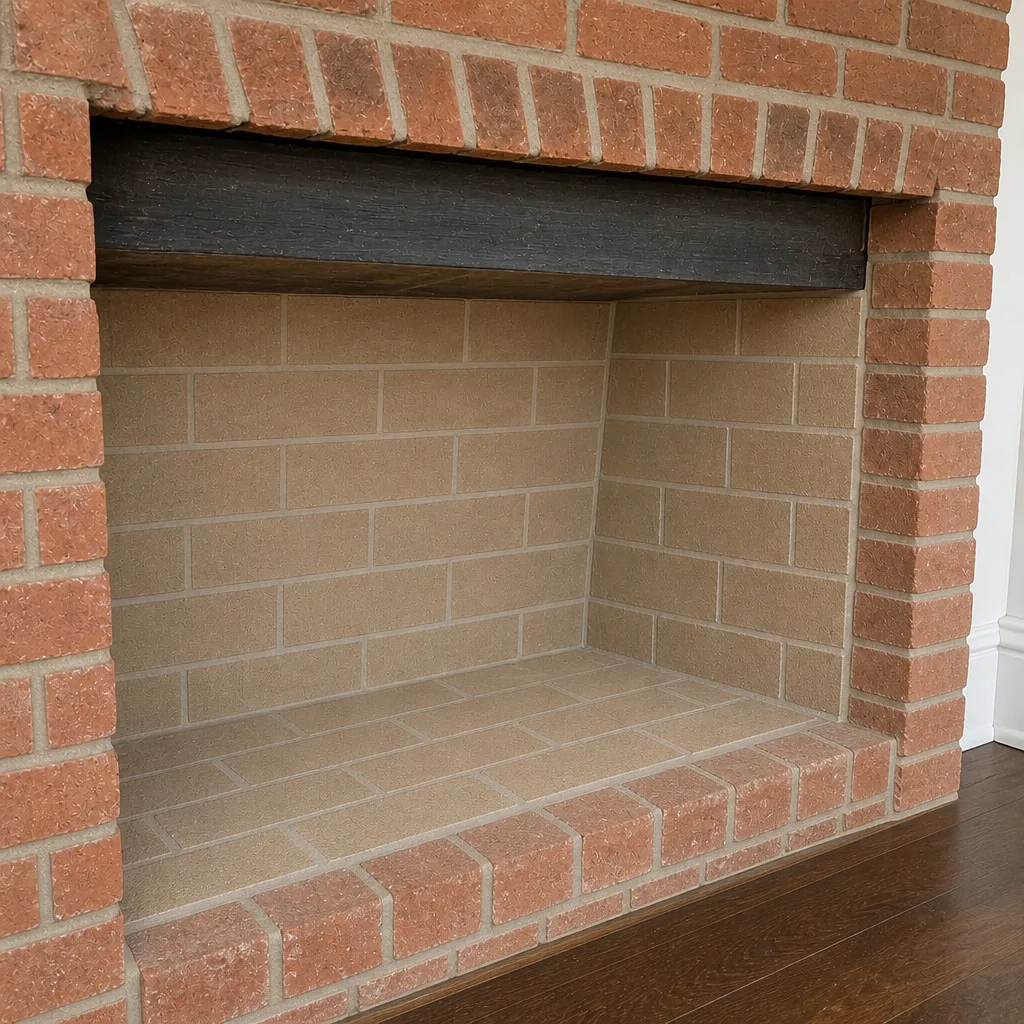
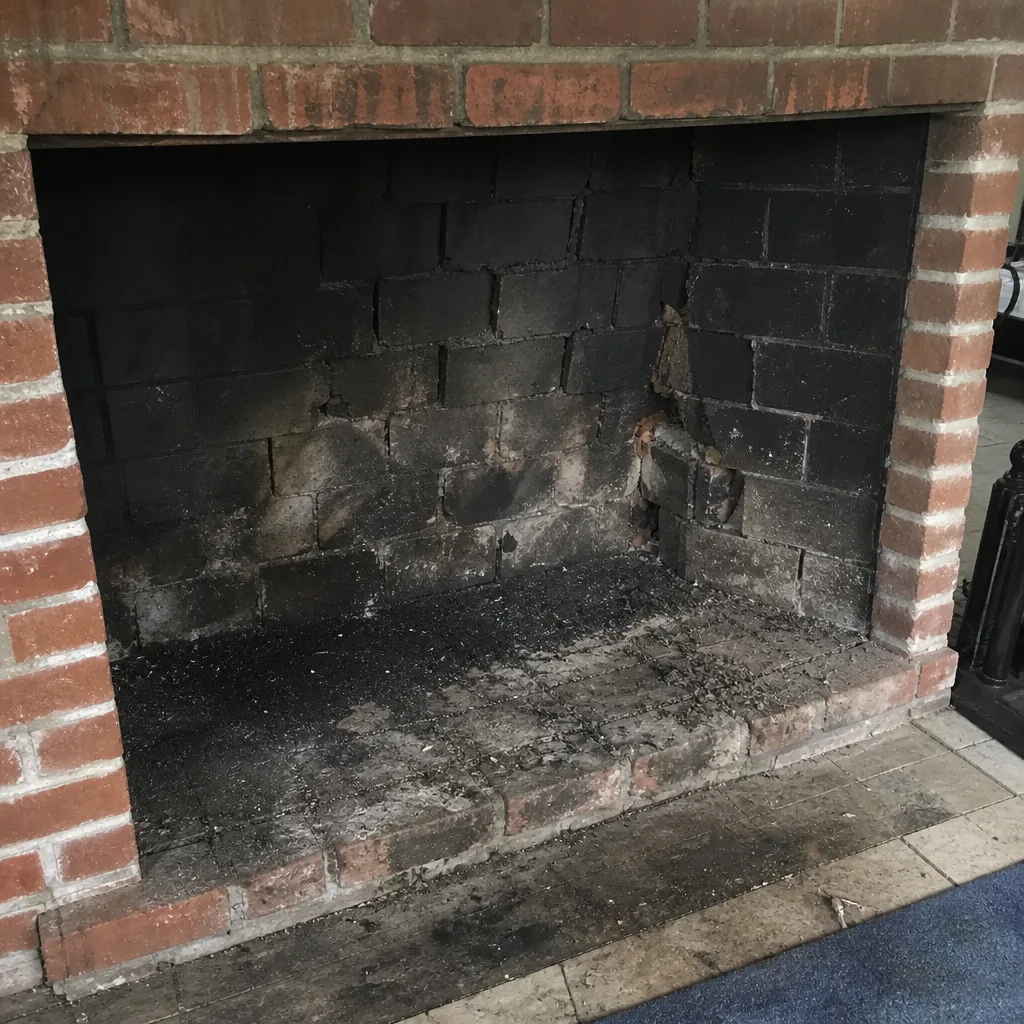
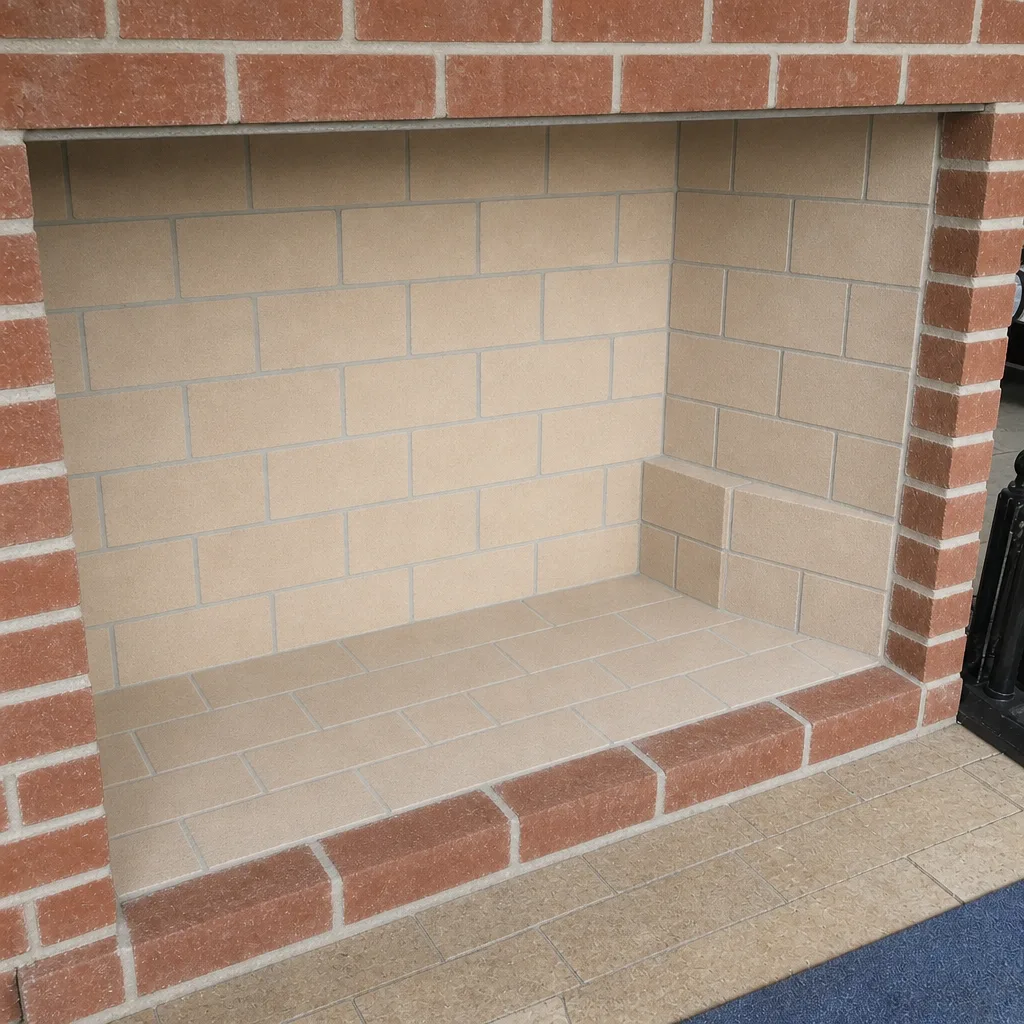
See the difference
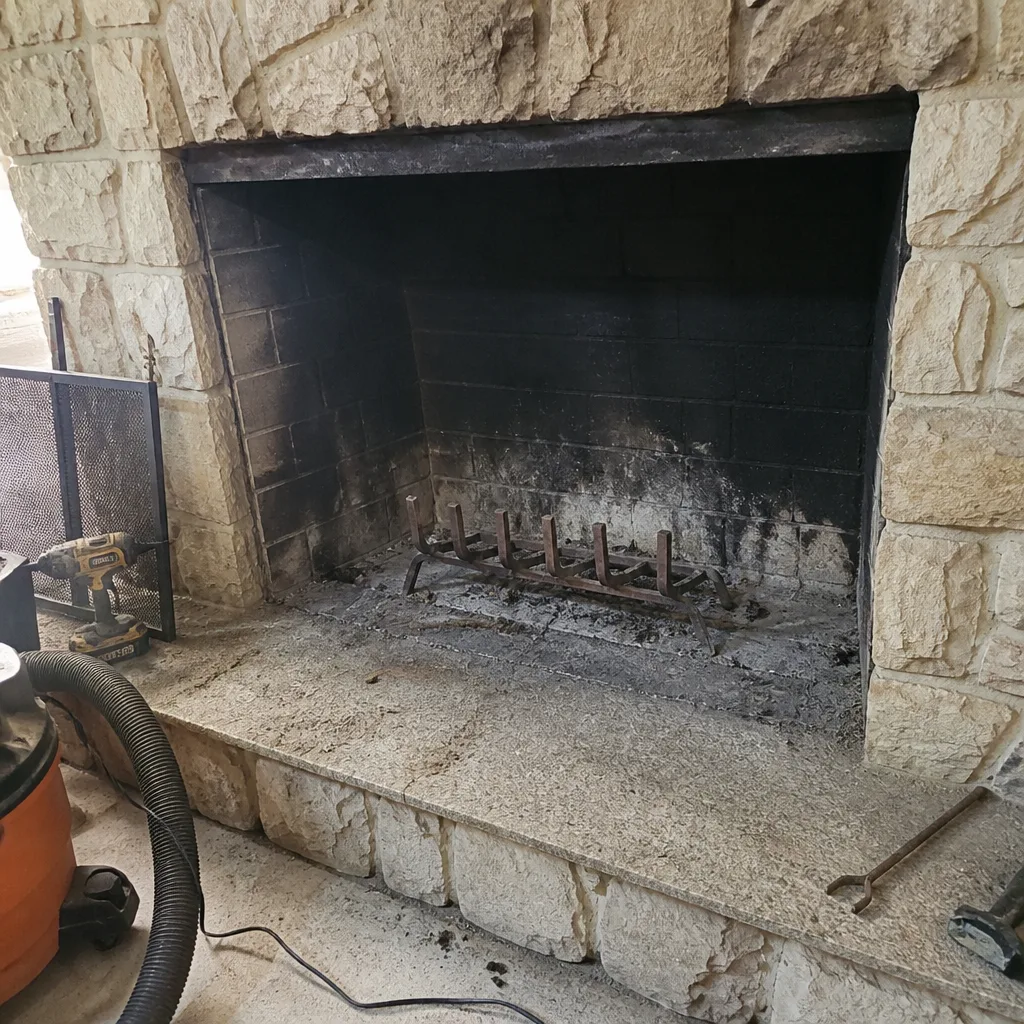 Before
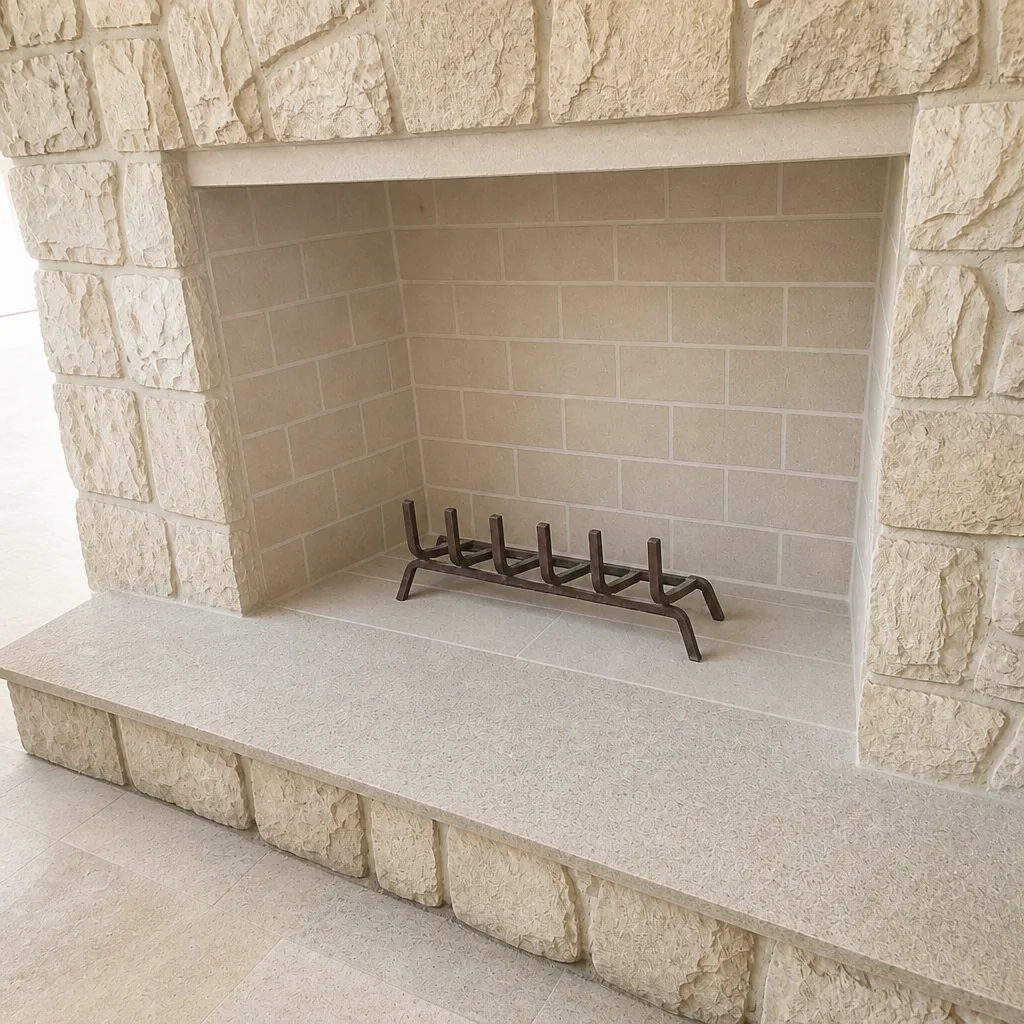 After
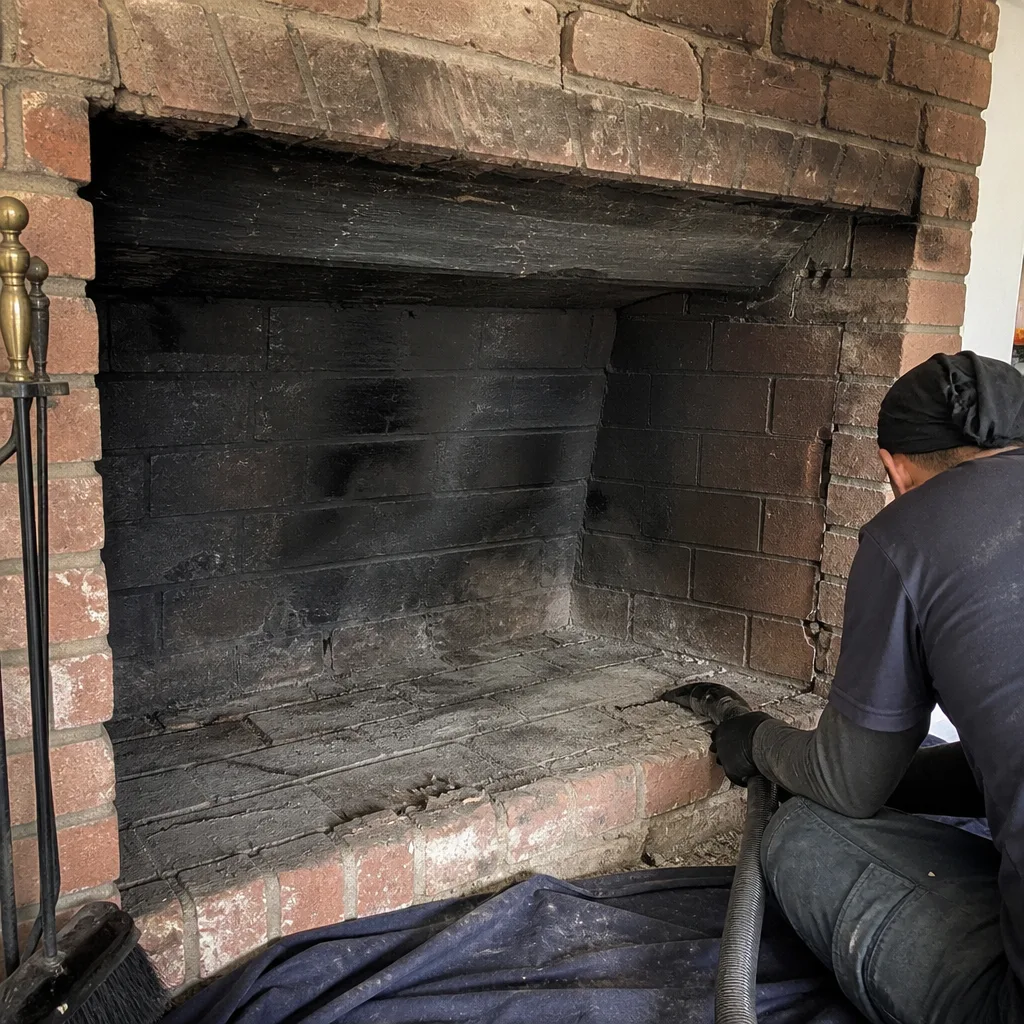 Before
 After
 Before
 After
When to Call a Professional
Some chimney conditions require a qualified contractor and should not be deferred. If you’ve had a chimney fire, even a small one, you need a Level 2 camera inspection before you use the fireplace again. If you smell smoke in a room that shouldn’t have smoke, or if you notice staining on the chimney exterior or around the firebox, that’s a sign of a problem that inspection should evaluate. If your insurer asks for documentation, if you’re selling the home, or if burning season is approaching and your chimney hasn’t been swept, those are all reasons to book with a qualified contractor now rather than later.
If your home has no cap, or if the existing cap is damaged, animal- and moisture-related problems are already in progress whether you can see them or not. That’s a repair-scope conversation, not just a sweep.
The same holds for any change in system setup. If you’ve switched fuel type, added a new appliance, or installed a new insert, the standard moves from routine maintenance to an inspection that verifies the venting is correct for the new configuration.
Chimney Sweep Hollywood offers free estimates in Hollywood. Call (833) 974-6567. We answer 24/7. Fast dispatch from 7am to 7pm, Sunday through Friday.
Frequently Asked Questions
No. Florida does not issue a statewide chimney contractor license, so credentials vary by company and there’s no single state credential to verify. In practice, you replace license verification with CSIA certification verification, an insurance certificate, and direct technical questions asked on the phone before booking.
Ask the contractor for the name on their CSIA certification and search that name in the Chimney Safety Institute of America’s public directory. Confirm the certification is active and ask which technician will actually perform the work. Certification held at the company level doesn’t guarantee the person in your home is the certified one.
It’s enough for routine maintenance on a system with no known problems, but it won’t reveal the inner condition of the flue. A camera inspection is the standard for real estate transactions, post-fire evaluation, and any change in fuel type or appliance. If you’re selling a home in Hollywood or your insurer has asked for documentation, book the camera inspection.
The answer comes from the inspection, not from a quote over the phone. HeatShield ceramic resurfacing can restore some damaged flues without a full liner replacement, while other defects require a full DuraFlex liner. Any recommendation should come with camera evidence you can see, and a specialist should be able to explain why one option works and the other doesn’t for your specific flue.
They can perform a routine sweep, and in Florida they can legally market the service. The problem is what happens when the sweep uncovers a defect. Structural diagnosis, liner selection, resurfacing decisions, and cap installation all require product knowledge and authorization a generalist rarely carries, which typically means a referral and a second appointment.
The industry standard is once per year for households that use the fireplace regularly. If you burn often or your wood is unseasoned, more frequent sweeping can be warranted. The annual sweep is also when the inspection happens, which is why the two services are usually booked together.
Stop using the fireplace and book a Level 2 camera inspection before any further burning. Chimney fires can damage the flue liner in ways that aren’t visible from the firebox, and the camera inspection is the only way to confirm whether the system is safe to use. A sweep alone won’t answer that question.
Yes. A cap is the first line of defense against moisture damage and animal intrusion, and moisture is the most common cause of chimney deterioration. If your current cap is missing or damaged, ask about Gelco or Famco replacement during your booking, not after.
The Bottom Line
Hiring a chimney contractor in Hollywood comes down to verifying what you can and asking about what you can’t see. Because Florida doesn’t issue a state chimney license, the burden shifts to you: confirm CSIA certification by name, ask which inspection level you’re getting, ask what products the company can actually install, and require a written inspection report with photos. Avoid generalists for structural work, compare quotes by scope not by total, and treat the cap as part of the job rather than an optional add-on.
None of this takes more than a phone call if you know what to ask. Most of the contractors who can’t answer these questions will disqualify themselves before they ever reach your driveway. Call (833) 974-6567 for a free estimate and a scope you can actually compare.
Written by the team at Chimney Sweep Hollywood.